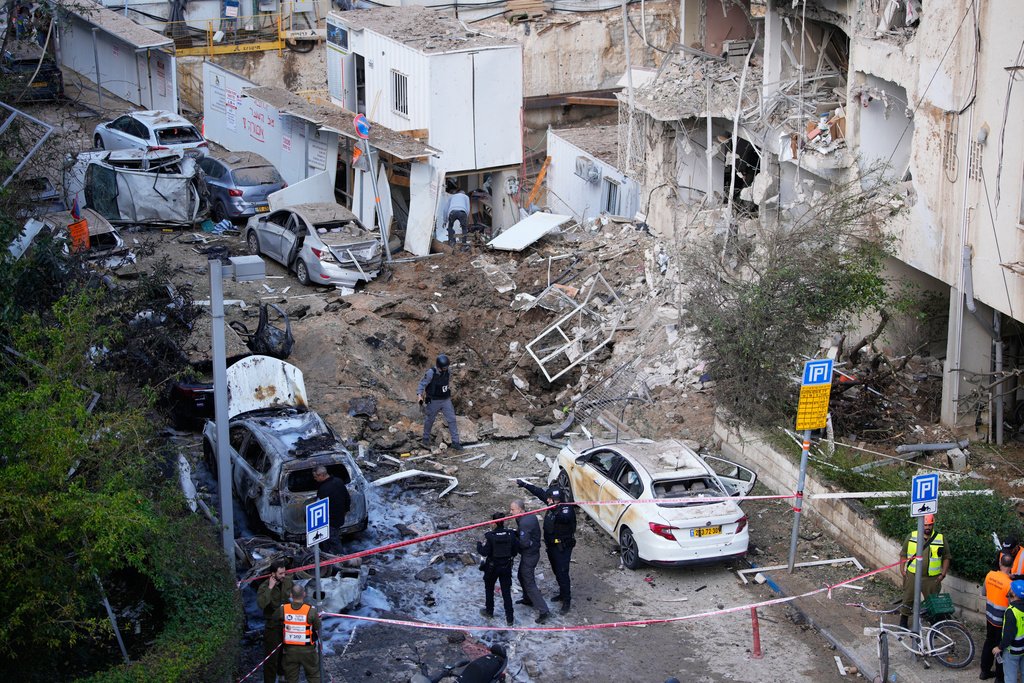
Three weeks into the sustained U.S. and Israeli air and missile offensive against Iran, the operational and strategic constraints facing Washington are coming into sharp relief. While American and allied strikes have degraded Iranian military infrastructure, the campaign has failed to produce a decisive conclusion. The central strategic challenge is no longer Iran's immediate military capacity, but the emerging reality that external powers—namely Russia and China—are providing Tehran with the means to transform this into a protracted war of attrition.
The Russian Enabler: Intelligence and Asymmetric Warfare
Russia has emerged as Iran's most critical external partner in the conflict. Moscow is supplying Tehran with real-time satellite intelligence on U.S. and Israeli force positions, dramatically improving Iranian targeting and battle damage assessment. Furthermore, Russian technical assistance has enhanced the navigation and communications systems on Iran's fleet of Shahed drones. These contributions, while not decisive on their own, force the United States into a punishing cost-exchange dynamic, expending multi-million dollar interceptors to counter cheap, disposable threats.
Russia's own commitments in Ukraine limit its ability to provide major weapons systems, but it requires no such shipments to impact this conflict. A consistent flow of intelligence and technical expertise is sufficient to complicate U.S. operations, sharpen Iran's situational awareness, and prolong the viability of Tehran's asymmetric arsenal. This allows Iran to impose a steady, draining operational cost on American forces without Moscow risking its own high-value assets.
The Chinese Lifeline: Economic Support and Strategic Caution
China's role is more subtle but equally consequential. Beijing remains the primary purchaser of Iranian oil, providing Tehran with the crucial foreign currency revenue needed to sustain its economy and war effort despite extensive infrastructure damage. Additionally, China provides access to its BeiDou-3 satellite navigation system, which improves the accuracy of Iranian missiles and drones.
However, China's support is tempered by its own strategic interests. Beijing desires stability in global energy markets and fears a regional conflagration that would send oil prices soaring. Therefore, while China acts as an essential economic lifeline for Iran, it simultaneously advocates for de-escalation behind the scenes. This creates a paradox where Beijing both enables Iran's endurance and seeks to avoid the very prolonged instability its support facilitates. This dual-track approach reflects a broader pattern of coordinated pressure from adversarial states testing American resolve across multiple theaters.
The Unsustainable American Calculus
The paramount issue for Washington is the mounting cost of sustaining the campaign. Public estimates indicate the U.S. has already expended approximately 10% of its Tomahawk cruise missile stockpile and a quarter of the THAAD interceptors defending Israel, alongside significant numbers of Patriot and SM-3 missiles. Production rates for these advanced munitions are limited, and replacements are expensive and time-consuming to manufacture.
Every Iranian drone or missile launch presents a painful choice: expend a high-value interceptor or accept greater risk to regional assets and allies. Russian and Chinese support makes this calculus strategically damaging by enabling Iran to launch frequent, low-cost attacks. When Iran fires a $20,000 drone that requires a $2 million interceptor to destroy, the long-term financial and logistical burden on the United States becomes severe, especially while simultaneously supporting allies in other global commitments and maintaining readiness in the Indo-Pacific.
No Clean Victory in Sight
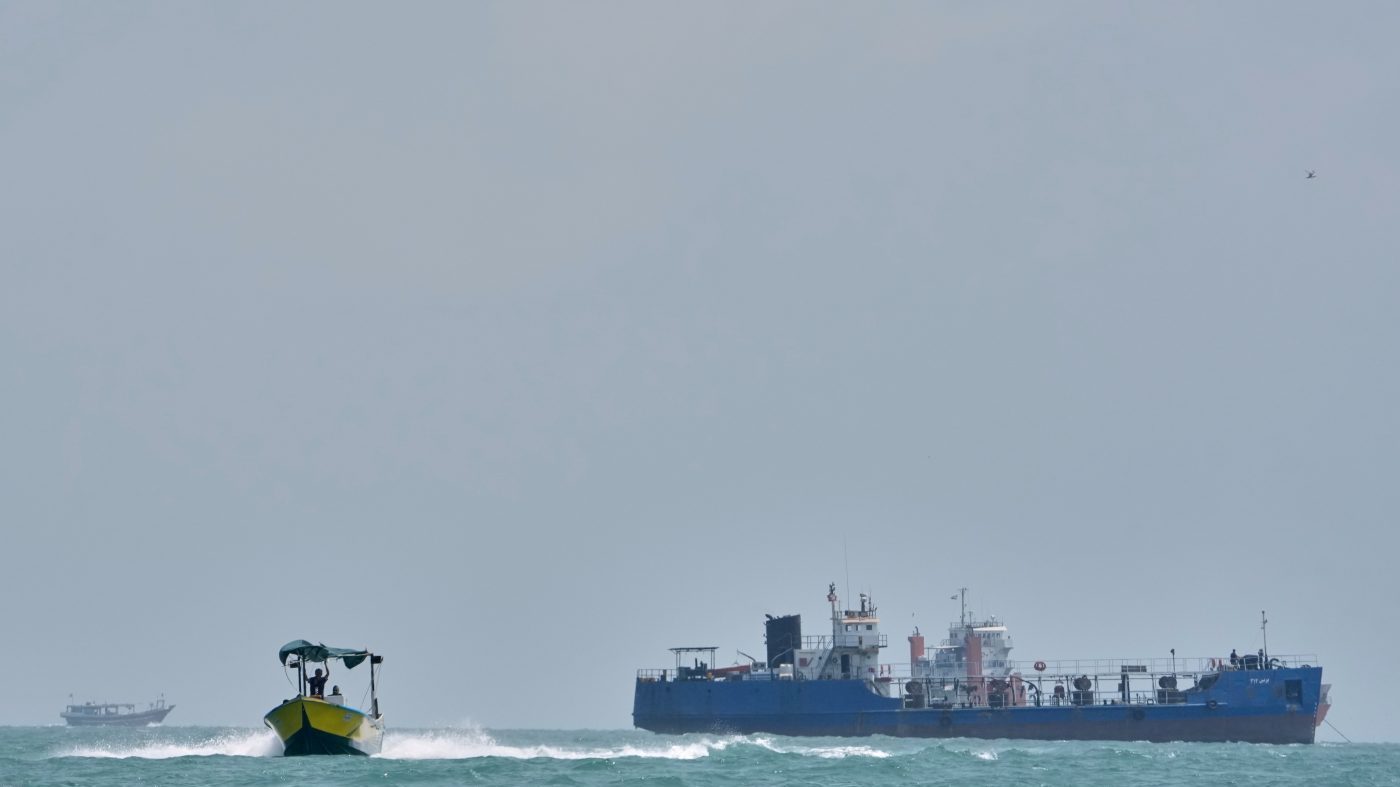
Despite significant losses to its missile factories, naval assets, and command nodes, Iran retains a core capacity for asymmetric warfare. Drones, maritime mines, and fast-attack craft require limited infrastructure and can be regenerated with external technical help. As one recent assessment of the regime's resilience concluded, Russia and China do not need to rebuild Iran's conventional military; they only need to keep it functional enough to deny Washington a swift, conclusive victory.
The U.S. can continue striking targets and degrading capabilities, but airpower alone cannot manufacture a clear end-state. Iran can absorb punishment, adapt its tactics, and continue imposing costs. The conflict risks devolving into a slow, grinding contest of intermittent Iranian attacks and allied strikes, keeping global energy prices elevated and steadily depleting American munitions stockpiles. This scenario directly impacts global economic stability, as highlighted by warnings from industry leaders about prolonged high fuel costs due to regional volatility.
Strategic Loss, Not Military Defeat
The endgame Tehran seeks is a regime that is battered but still standing. For the United States, the danger is not a traditional military defeat but a strategic failure—being drawn into an open-ended conflict that drains finite resources, divides diplomatic and military attention, and offers no politically sustainable exit. This kind of prolonged engagement could create significant strategic gaps in other priority regions.
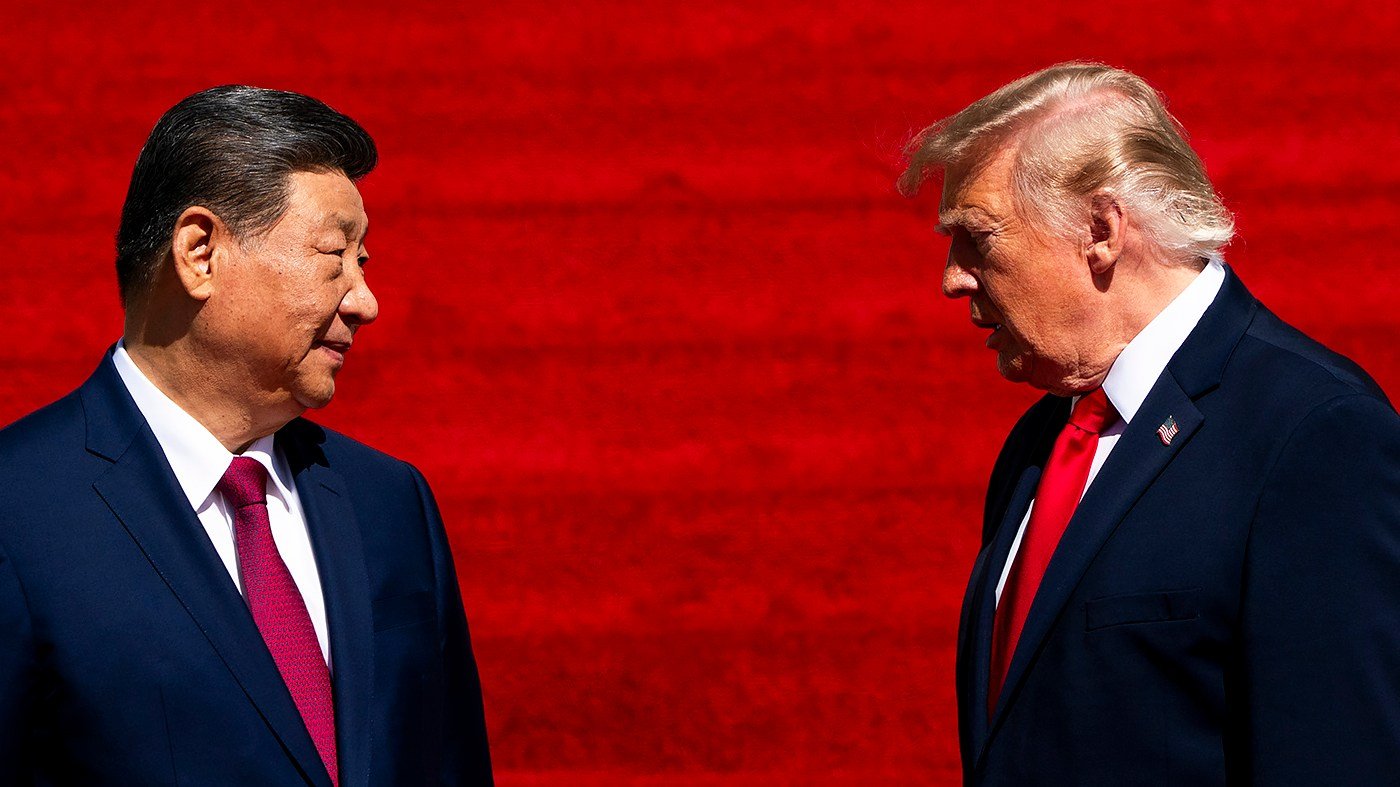
Russia and China cannot secure a victory for Iran, nor can they counter U.S. air dominance or rapidly reconstruct shattered infrastructure. Their objective is more limited and potentially more achievable: to prevent the United States from winning quickly and on its own terms. By providing intelligence, navigation technology, and economic support, Moscow and Beijing can stretch the conflict, straining American munitions pipelines, complicating its global posture, and denying Washington the decisive outcome it initially sought.