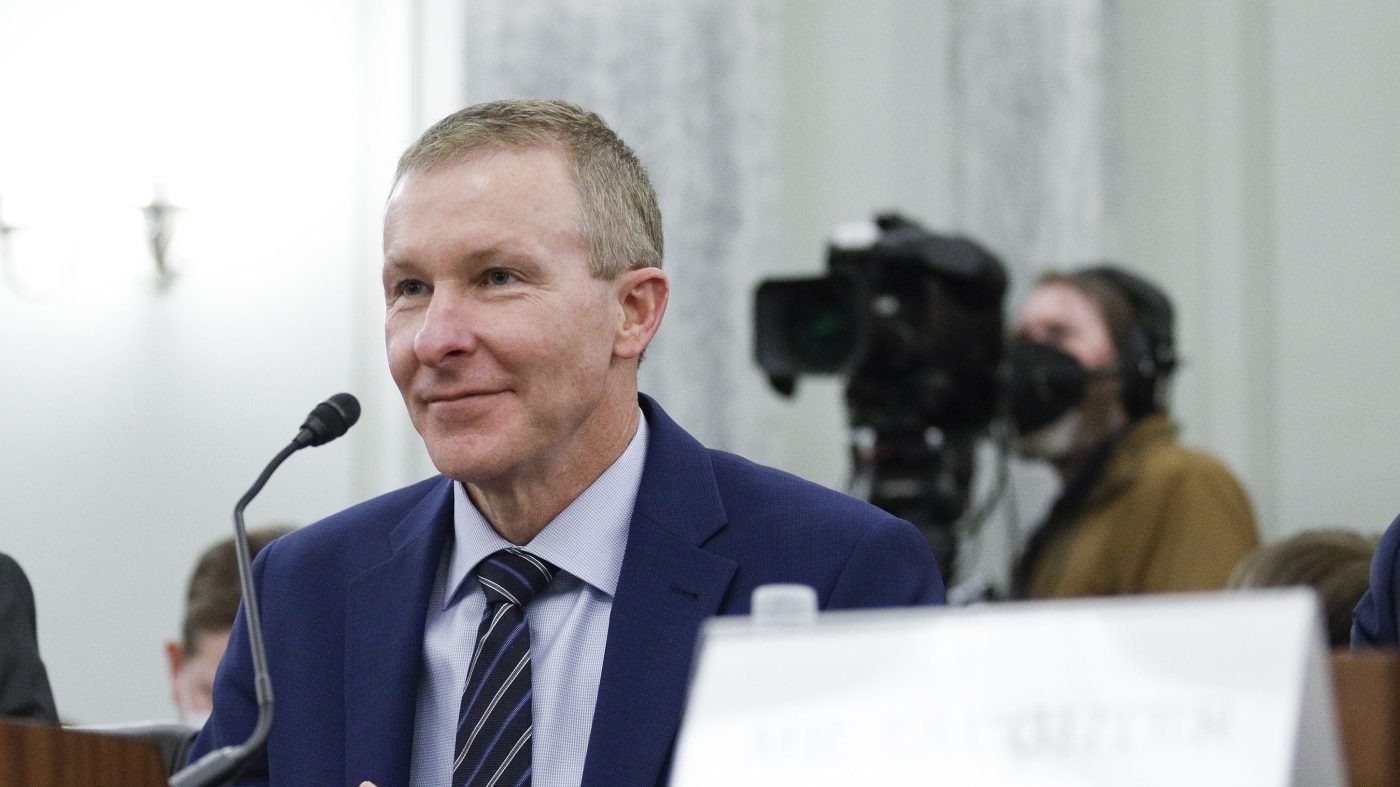
United Airlines is preparing for a prolonged period of elevated fuel costs as geopolitical tensions in the Middle East continue to disrupt global oil markets, Chief Executive Scott Kirby said Tuesday. In an interview with CNBC, Kirby indicated the airline is bracing for Brent crude oil prices to remain above $100 per barrel into the next year, a scenario that would significantly impact operating expenses for the entire aviation sector.
Geopolitical Disruption Drives Price Surge
The price spike follows U.S. military strikes on Iran and subsequent Iranian counterstrikes targeting American bases and energy infrastructure in Gulf states. These exchanges have effectively shuttered the Strait of Hormuz, a critical maritime chokepoint through which roughly 20% of the world's oil supply typically flows. The closure has created a severe supply bottleneck, removing an estimated 6 to 8 million barrels of daily production from the market.
"We're looking at what's happening in the Middle East and how long it will take to recover, even once the Strait of Hormuz reopens," Kirby told CNBC's Phil LeBeau. "It seems like a reasonable assumption for us to make, and we want to plan for something like that." The CEO emphasized the airline's strategy involves accepting slightly reduced flight capacity to hedge against the financial risk of sustained high prices. "We're going to do a little less flying than we otherwise would, willing to leave a little bit of demand on the table if oil prices are lower, but want to be prepared for a scenario where oil prices are higher for longer," he added.
Administration Response and Market Skepticism
The Trump administration has taken several steps to counter the price shock, including moves to boost domestic production, temporarily easing sanctions on oil from Iran, Russia, and Venezuela, and authorizing releases from the Strategic Petroleum Reserve. However, these measures have faced skepticism from energy analysts who argue they are insufficient to offset the massive supply gap caused by the Strait's closure.
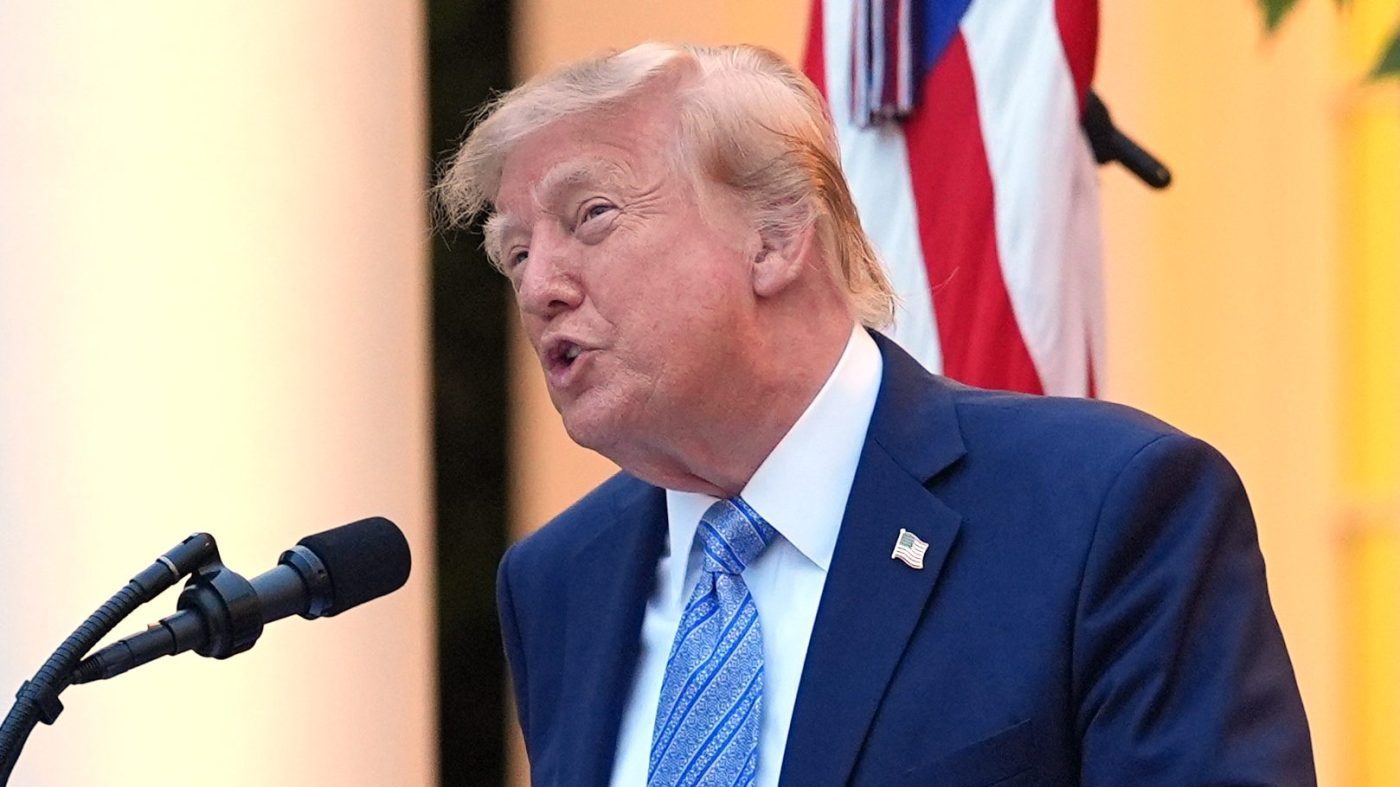
Claudio Galimberti, Chief Economist at Rystad Energy, told The Hill last week that the "only policy option that there is is to open the Strait of Hormuz." He noted that even a historic drawdown from U.S. reserves would only add a maximum of 1 to 2 million barrels per day to the market for a limited time, failing to match the 6-8 million barrel shortfall. This analysis underscores the limited tools available to policymakers facing a structural supply crisis. The administration's shifting stance was evident as President Trump first issued, then rescinded, an ultimatum to Tehran to reopen the waterway after Iran threatened a permanent closure.
Broader Economic and Consumer Impact
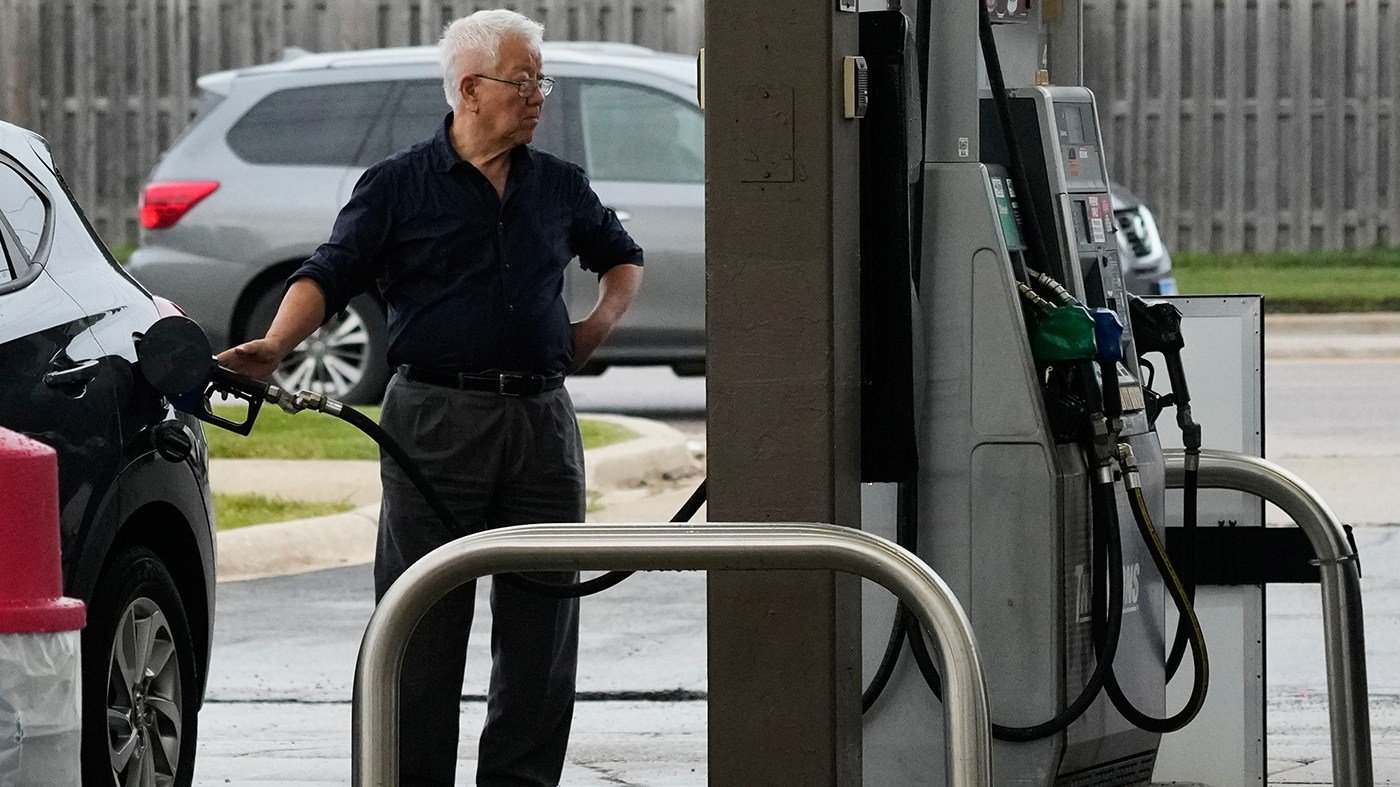
The ripple effects are already being felt beyond the aviation industry. According to AAA, the national average price for regular gasoline surged to $3.77 on Tuesday, an increase of over a dollar from just one month prior. Jet fuel, a refined petroleum product, tracks closely with crude oil prices, making it a major and volatile cost center for airlines. The situation presents a significant economic challenge, potentially exacerbating broader consumer pessimism about the economy, as reflected in recent polling showing over 70% of Americans perceive a deteriorating job market.
Recent diplomatic developments suggest a potential path to de-escalation. On Monday, President Trump described "good and productive" peace talks with Iran, and a senior Iranian official confirmed Tehran was reviewing a U.S. proposal. This follows reporting that the Trump administration has shifted its approach from pursuing regime change to seeking a new deal with Iran. A resolution that reopens the Strait of Hormuz would be the most direct remedy to the supply crisis, but the timeline and outcome of negotiations remain uncertain.
For United and its competitors, the current environment necessitates cautious planning. The airline's decision to proactively reduce capacity highlights the severe operational pressure created by fuel costs, which typically represent an airline's second-largest expense after labor. As the industry watches both the oil markets and the diplomatic front, carriers are forced to make strategic bets on the duration of a conflict that shows few immediate signs of a clean resolution. The episode also intersects with other aviation challenges, including ongoing debates over security and staffing, such as past proposals to abolish the TSA in favor of private contractors.