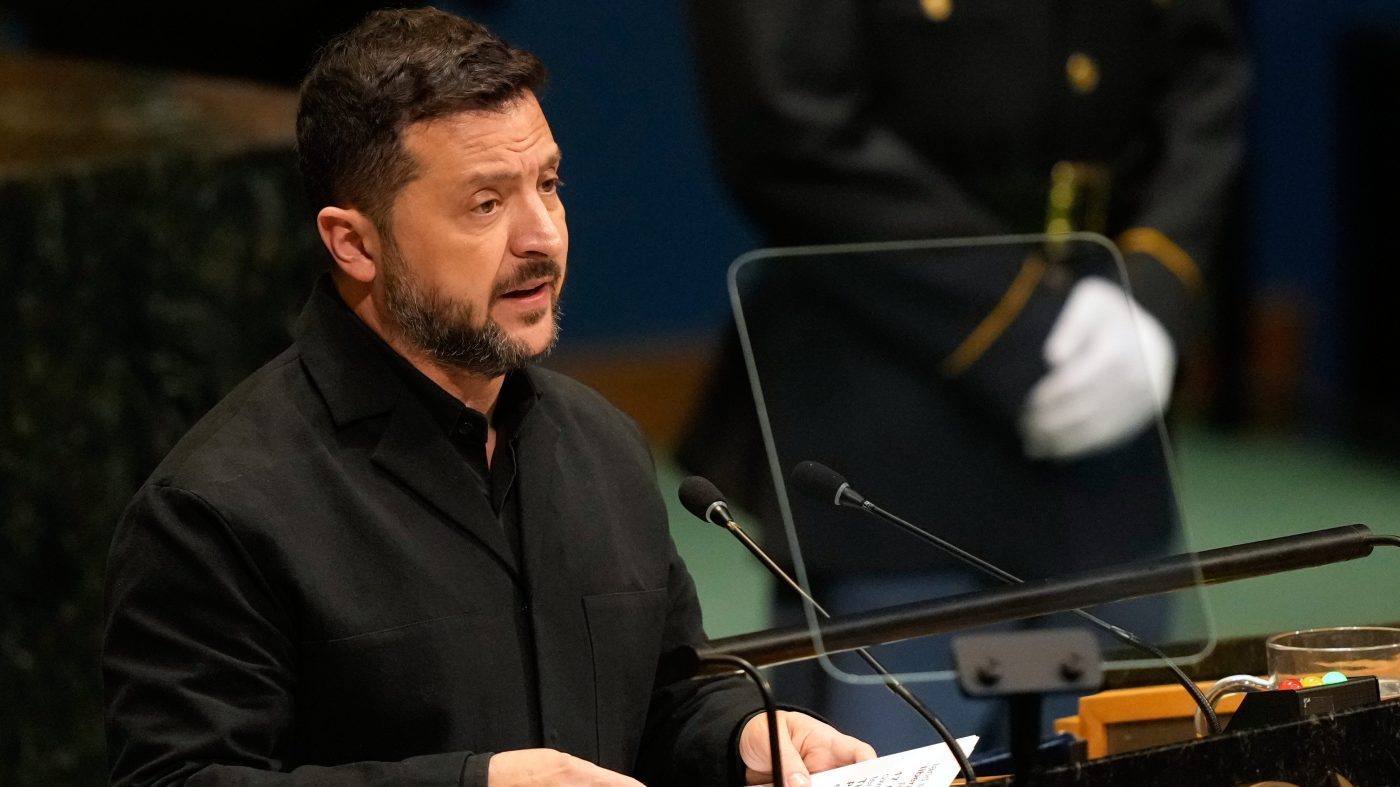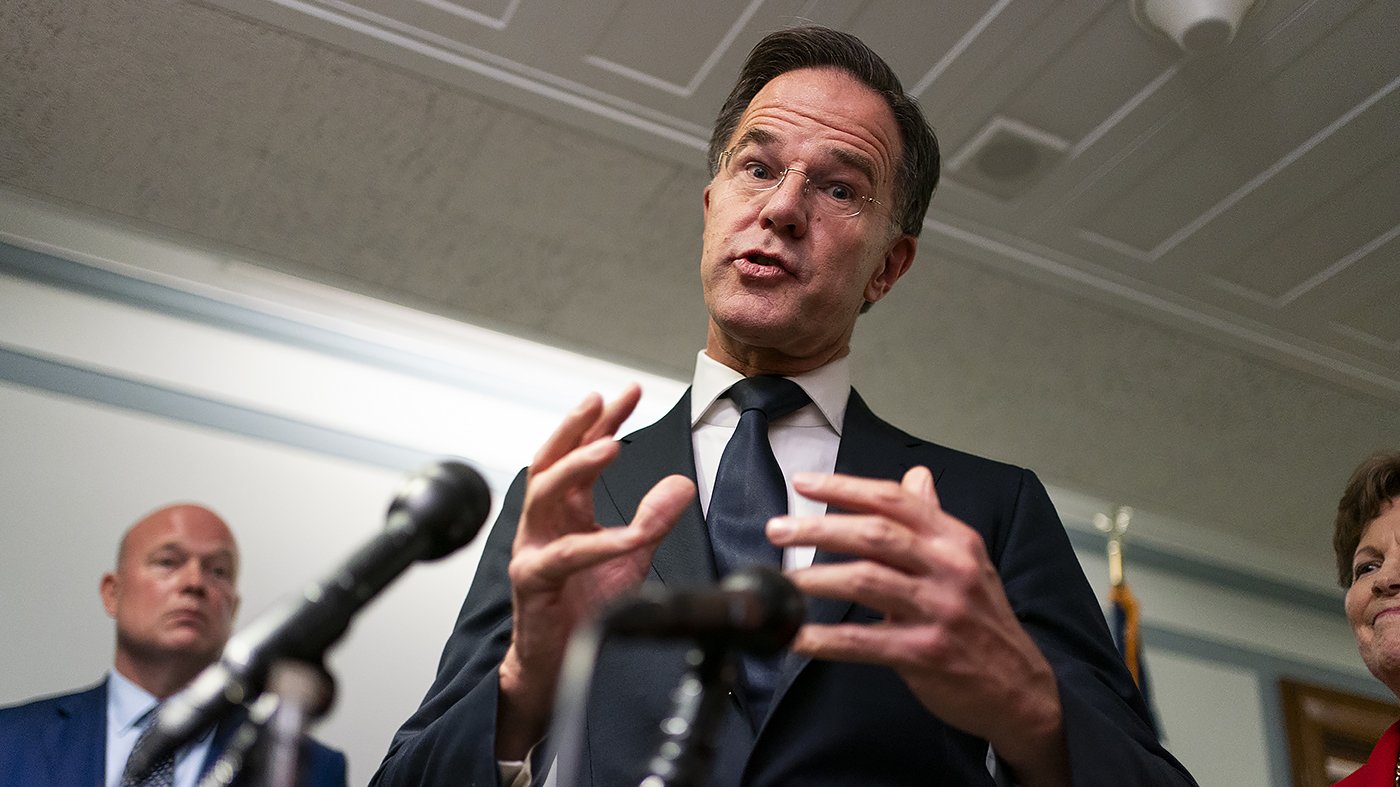
NATO's European members and Canada significantly accelerated their military investments in 2025, recording a collective 20 percent increase in defense spending compared to the previous year, according to the alliance's newly released annual report. Secretary General Mark Rutte, presenting the figures, stated NATO has decisively "started a new chapter" in its posture and preparedness.
In the report's foreword, Rutte framed the spending surge as a necessary response to direct threats. "We took big decisions and decisive action to defend the Alliance, protect our way of life, and keep one billion people safe on both sides of the Atlantic," he wrote, explicitly naming Russia as the "most significant and direct threat" to NATO security. He further warned that Moscow's ongoing war in Ukraine, now in its fifth year and backed by China, North Korea, Iran, and Belarus, necessitates sustained financial commitment from all members.
The Push for Five Percent
The report comes as NATO seeks to lock in long-term spending commitments. Last year, alliance leaders agreed to a goal of spending 5 percent of their total Gross Domestic Product on defense and related investments by 2035. Rutte used the report to pressure allies to demonstrate progress, writing, "I expect Allies at the next NATO Summit in Ankara to show they are on a clear and credible path towards the 5% objective." He emphasized that "a strong transatlantic bond remains essential in an age of global uncertainty."
The detailed breakdown shows the 5 percent target is split: 3.5 percent of GDP is earmarked for core defense like troops and weapons, with an additional 1.5 percent for broader investments in cybersecurity, critical infrastructure hardening, and defense industrial capacity. A few frontline states, including Poland, Lithuania, and Latvia, have already reached the 3.5 percent core spending mark. Others, such as Spain, Canada, and Belgium, reported meeting the older 2 percent benchmark.
On average, the 32 NATO nations spent 2.77 percent of their combined GDP on defense in 2025, totaling more than $1.4 trillion. Of that immense sum, European allies and Canada contributed $574 billion. "This shows that NATO Allies recognize our changed security environment, and the need to meet our collective obligations," Rutte concluded.
Transatlantic Tensions and Broader Conflicts
The spending increase unfolds against a backdrop of persistent friction with the United States, NATO's largest contributor. Former and current President Donald Trump has repeatedly demanded European allies spend more, criticizing what he characterizes as an unfair burden on American taxpayers. The U.S. currently accounts for approximately 60 percent of total alliance defense spending, and the Trump administration has argued that Europe should eventually assume primary responsibility for its own defense.
Tensions have been further inflamed by recent U.S. military action against Iran. Trump did not consult NATO allies before launching airstrikes in late February and later pressed the alliance to assist in reopening the vital Strait of Hormuz, a request several nations, including Germany, resisted. In a recent social media post, Trump bluntly stated, "THE U.S.A. NEEDS NOTHING FROM NATO," while alluding to the current strategic moment. The administration's stance has raised concerns, with a former defense secretary warning of potential retaliation against U.S. personnel in the region.
The conflict has also had direct economic consequences, contributing to a sharp surge in U.S. gasoline prices following disruptions to Middle Eastern shipping lanes. Domestically, the administration's use of defense authorities continues to face legal challenges, including a lawsuit from California over the use of the Defense Production Act to mandate offshore drilling.
Rutte's report confirms that, for the first time, all NATO members met or exceeded the 2 percent of GDP spending guideline originally set in 2014. However, the push for 5 percent represents a substantial new benchmark, reflecting an alliance recalibrating for an era of heightened great-power competition and multifaceted threats. The coming summit in Ankara will serve as the first major test of political will for this more ambitious target.