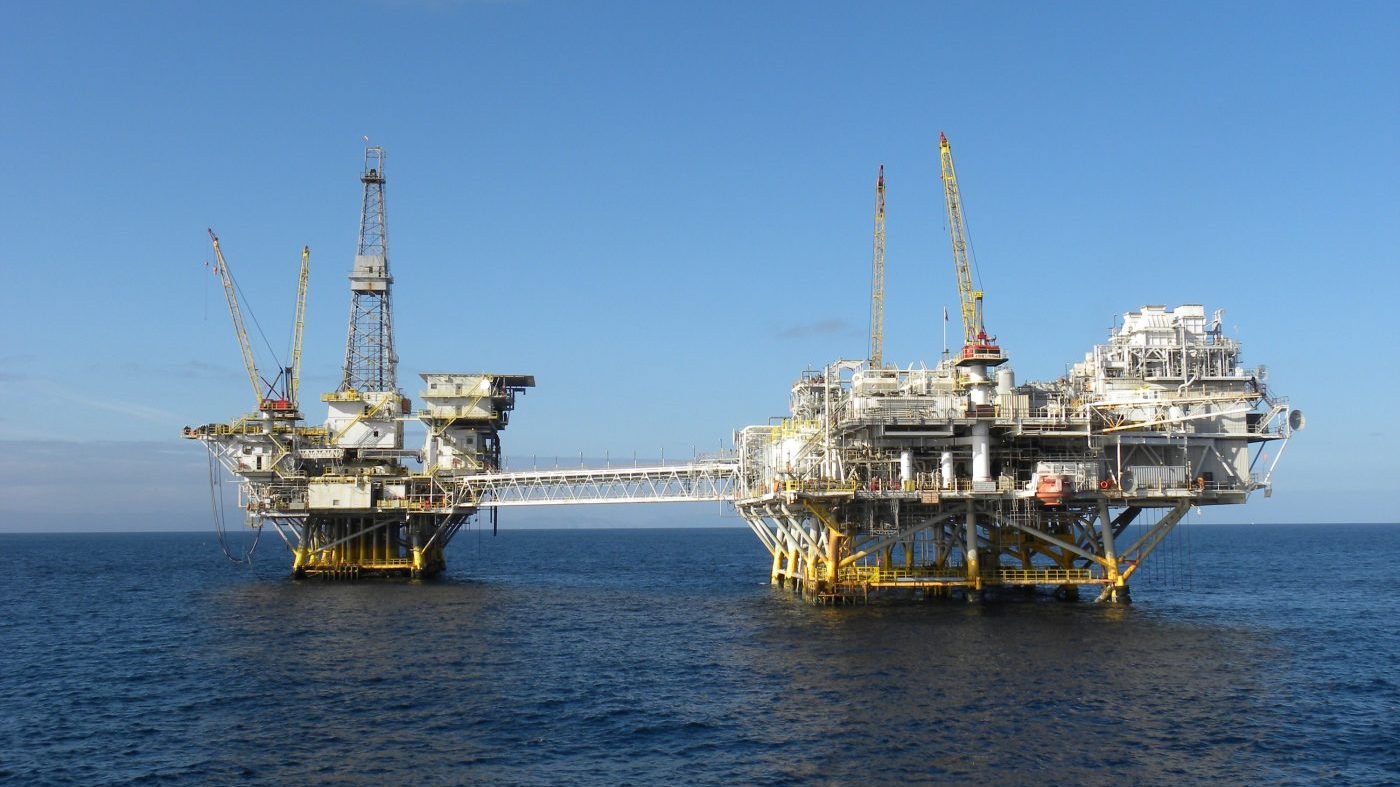
The State of California filed a federal lawsuit on Monday challenging the Trump administration's use of a Cold War-era national security law to mandate the restart of an offshore oil operation. The legal action seeks to block an order from Energy Secretary Chris Wright, authorized by President Trump, that invokes the Defense Production Act (DPA) to compel Sable Offshore to resume operations linking its Santa Ynez platform to onshore refineries.
Bonta: 'A Completely Fabricated Claim'
At a press conference, California Attorney General Rob Bonta, a Democrat, forcefully rejected the administration's justification. "It's just not true that there's a national emergency," Bonta stated, arguing the move "tramples on state rights in pursuit of corporate profits." He criticized the order as a violation of law, asserting, "The U.S. already produces significantly more oil and gas than we use—it's a completely fabricated claim intended to curry favor with the oil industry."
The lawsuit alleges the administration's order violates a judicial consent decree established after the 2015 Refugio State Beach oil spill, which released over 142,000 gallons of crude. That court-approved agreement requires California's review and planning for any pipeline restart. "California has seen first-hand the devastating environmental and public health impacts of these pipelines rupturing," Bonta said, "and there are court-ordered legal requirements in place to ensure that it doesn't happen again."
Company Praises Order, Cites Energy Security
Sable Offshore, which purchased the pipeline system in 2024, welcomed the administration's intervention. The company stated Secretary Wright issued the order "to address the energy scarcity and supply disruption risks caused by California policies that have left the region and U.S. military forces dependent on foreign oil." This argument aligns with the administration's broader focus on energy independence amid ongoing military deployments related to Iran.
Jim Flores, Sable's Chair and CEO, said the directive allows them to put "California consumers first by increasing domestic supply of crude oil into the California market." He added the company looks forward to "working with the Trump administration to take all necessary steps to deliver the energy necessary for the security and defense of the country."
Geopolitical and Price Context
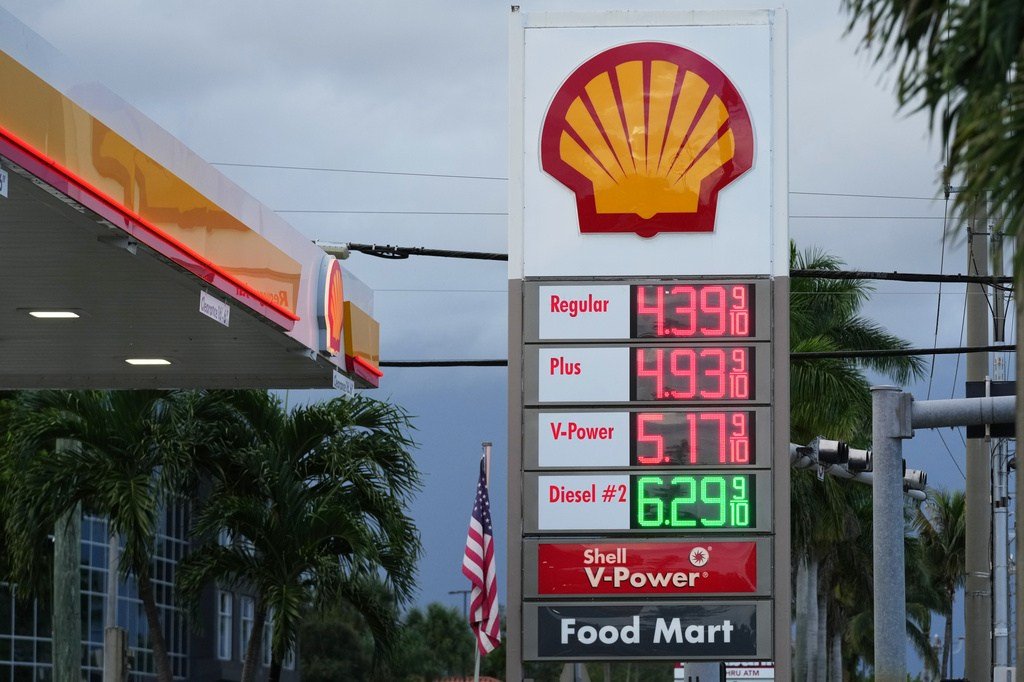
The Trump administration authorized the drilling restart as part of its response to rising oil and gas prices, which it links to the U.S.-Israeli conflict with Iran. This move occurs as diplomatic tensions with Tehran remain high. The national average for gasoline stood at $3.98 this week, while West Texas Intermediate crude traded above $91 per barrel and Brent crude neared $98.
Environmental groups and policy experts, however, have criticized the move. They argue restarting the drilling will not meaningfully lower fuel prices and instead poses significant risks to California's coastal ecosystems. The state's legal challenge underscores the deepening conflict between federal energy policy and state environmental regulations, a tension highlighted by recent warnings from major oil companies about refinery closures in California.
This lawsuit represents a major escalation in California's long-running battle with the Trump administration over environmental policy and states' rights. It directly tests the limits of presidential emergency powers under the Defense Production Act, setting up a legal showdown that could have implications for other states resisting federal energy mandates. The case also unfolds against a backdrop of broadened national security authorities cited due to the Iran conflict.