Energy Giant Confronts State Over Business Climate
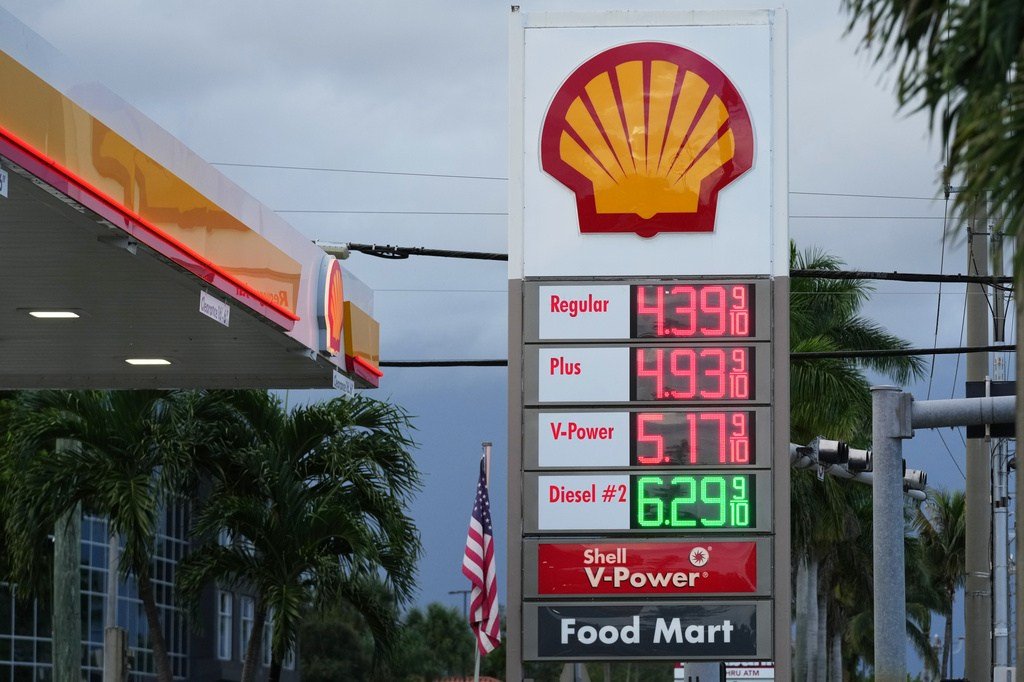
Chevron has declared it is considering shuttering its oil refining operations in California, citing what it describes as an untenable regulatory environment that it claims exacerbates fuel price volatility, particularly during the ongoing conflict involving Iran. The company argues that California's specific blend of taxes, emissions mandates, and other rules places a disproportionate cost burden on gasoline, keeping per-gallon prices significantly above the national average.
Global Supply Chain Squeeze Compounds Local Challenges
The geopolitical situation has severely tightened global oil markets. Iran's effective closure of the Strait of Hormuz has stranded millions of barrels of crude, disrupting economies across Asia. This has direct consequences for Chevron's California operations, which import refined fuels from China, South Korea, and Singapore. The crisis has prompted Beijing to ban fuel exports, further straining supplies.

"We have refineries in Asia that are having to cut crude, and so they're going to make less products," said Andy Walz, head of Chevron's refining division, in a Tuesday interview. "What if San Francisco doesn't have the jet fuel it needs? Or Los Angeles? Or maybe gasoline?" Walz stated that California's policymakers should be deeply concerned about the potential for a fuel deficit within the state.
A "Dangerous Game" of Reliance on Imports
Walz criticized the state's current trajectory, asserting that by discouraging local production, California has chosen to "rely on imports," which he labeled a "dangerous game" for fuel security. He has directly urged Governor Gavin Newsom and other state officials to reconsider policies that curb in-state oil production and to reassemble proposed incentives for renewable energy companies. This appeal comes as Newsom's energy and regulatory record faces increased scrutiny.
The warning follows a tangible precedent: last year, Phillips 66 ceased operations at its large refinery complex near the Port of Los Angeles after Newsom signed new legislation imposing stricter regulations on gas storage and refinery operations. Chevron, which has been operating in California for over 140 years, suggests more departures are likely if the policy direction does not change.
Strategic and Military Vulnerabilities Cited
In a formal letter to Governor Newsom this month, Chevron outlined broader national security concerns. The company emphasized that its California refineries supply vital transportation fuels, including aviation fuels critical for both commercial and military operations. These facilities are positioned near major ports, military installations, and strategic hubs serving the entire Pacific region.
"Continued erosion of California's refining capacity risks increased reliance on imported fuels that are slower to arrive, more exposed to global supply disruptions, and less reliable during emergencies or periods of heightened geopolitical risk," the company wrote. This statement echoes broader defense and logistical concerns emanating from volatility in the Middle East.
The confrontation places Newsom in a difficult position, balancing aggressive climate goals and regulatory standards against practical energy security and economic concerns. The outcome could influence not only gasoline prices but also the state's resilience in facing future global disruptions. The dispute emerges alongside other high-stakes legal and political battles in the state, including a major jury decision holding tech platforms liable for consumer harms.