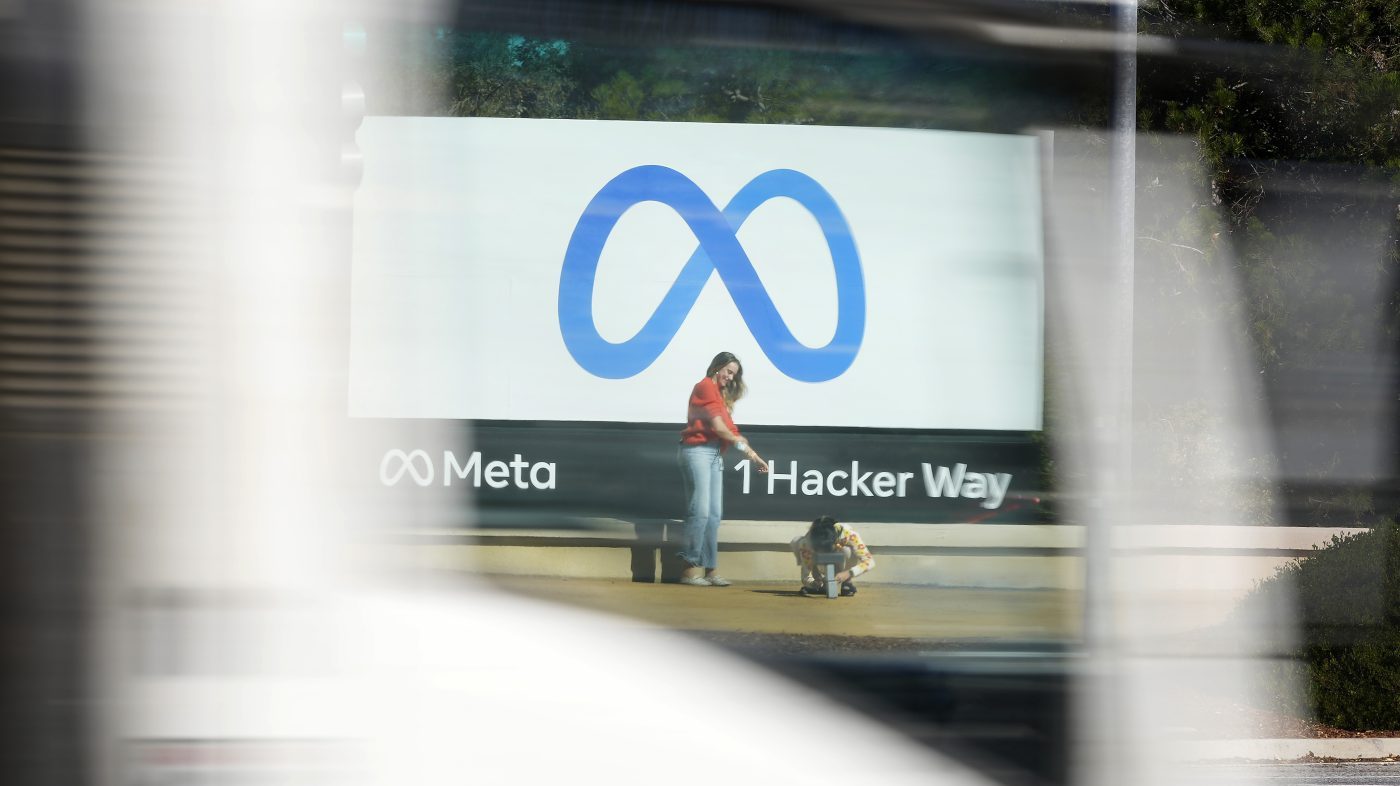
A California jury delivered a landmark verdict on Wednesday, finding social media corporations Meta and YouTube legally liable for designing platforms that foster addiction. The jury determined both companies acted negligently in their platform architecture and operations, marking one of the first major trial losses for the industry over youth safety concerns.
Financial Penalties and Legal Precedent
The jury awarded $3 million in damages, assigning 70 percent of the responsibility to Meta, parent company of Instagram and Facebook, and 30 percent to Google-owned YouTube. While the financial penalty is modest for corporations of this scale, the legal precedent established could prove far more consequential. The verdict directly challenges the core product design philosophies that prioritize user engagement through algorithmic feeds and notification systems.

The case centered on a complaint filed by a 20-year-old plaintiff identified as K.G.M., who argued that her childhood use of social media led to a debilitating addiction. Her legal team successfully contended that platform features directly resulted in or exacerbated severe depression, anxiety, body dysmorphia, and suicidal ideation. This personal narrative formed the human core of a complex legal battle over corporate responsibility.
Broader Legal Landscape and Settlements
This trial represents just one front in a sprawling legal offensive against social media firms. The Los Angeles Superior Court case is part of a consolidated proceeding encompassing thousands of individual, school district, and state lawsuits. Two other major platforms, TikTok and Snapchat's parent company Snap, were initially named as defendants but chose to settle their claims before the trial commenced in January.
The timing of this verdict amplifies its impact, arriving just one day after Meta was found liable in a separate case in New Mexico. In that proceeding, a grand jury ordered the company to pay $375 million for violating state consumer protection laws by compromising children's safety online. These back-to-back losses signal a shifting judicial attitude toward holding technology firms accountable for societal harms linked to their products.
Industry Implications and Future Challenges
For an industry already grappling with increased scrutiny from lawmakers and regulators, this verdict delivers a substantial blow. It provides a potent legal blueprint for other plaintiffs and could influence pending federal litigation. The finding of negligence regarding platform "design and operation" opens a new avenue for liability that extends beyond mere content moderation failures.
The case also highlights the evolving challenges of regulating digital spaces originally designed for adults but now ubiquitously used by minors. As legacy institutions like the FCC revive decades-old rules to address modern media landscapes, and as political figures navigate related controversies, the pressure on social media companies is intensifying from multiple directions. This verdict may accelerate legislative efforts, similar to how election integrity measures gain traction amid public concern.
Context Within Media and Accountability Debates
This legal reckoning occurs amid broader debates about institutional accountability. Just as critics question media failures to properly scrutinize powerful entities, this trial forced a direct examination of technology giants' internal decision-making. The successful negligence claim suggests juries are willing to look past complex algorithms to assign blame for foreseeable harms.
The outcome underscores a pivotal moment where the legal system is beginning to catch up with rapid technological change. With another major case pending in federal court, and with the media landscape itself transforming as traditional outlets contract while digital platforms expand, the rules governing online spaces are being rewritten in courtrooms across the country. This verdict likely marks not an endpoint, but the beginning of a more aggressive legal and regulatory posture toward social media's societal impact.