Sheriff's Ballot Seizure Sparks Political and Legal Confrontation
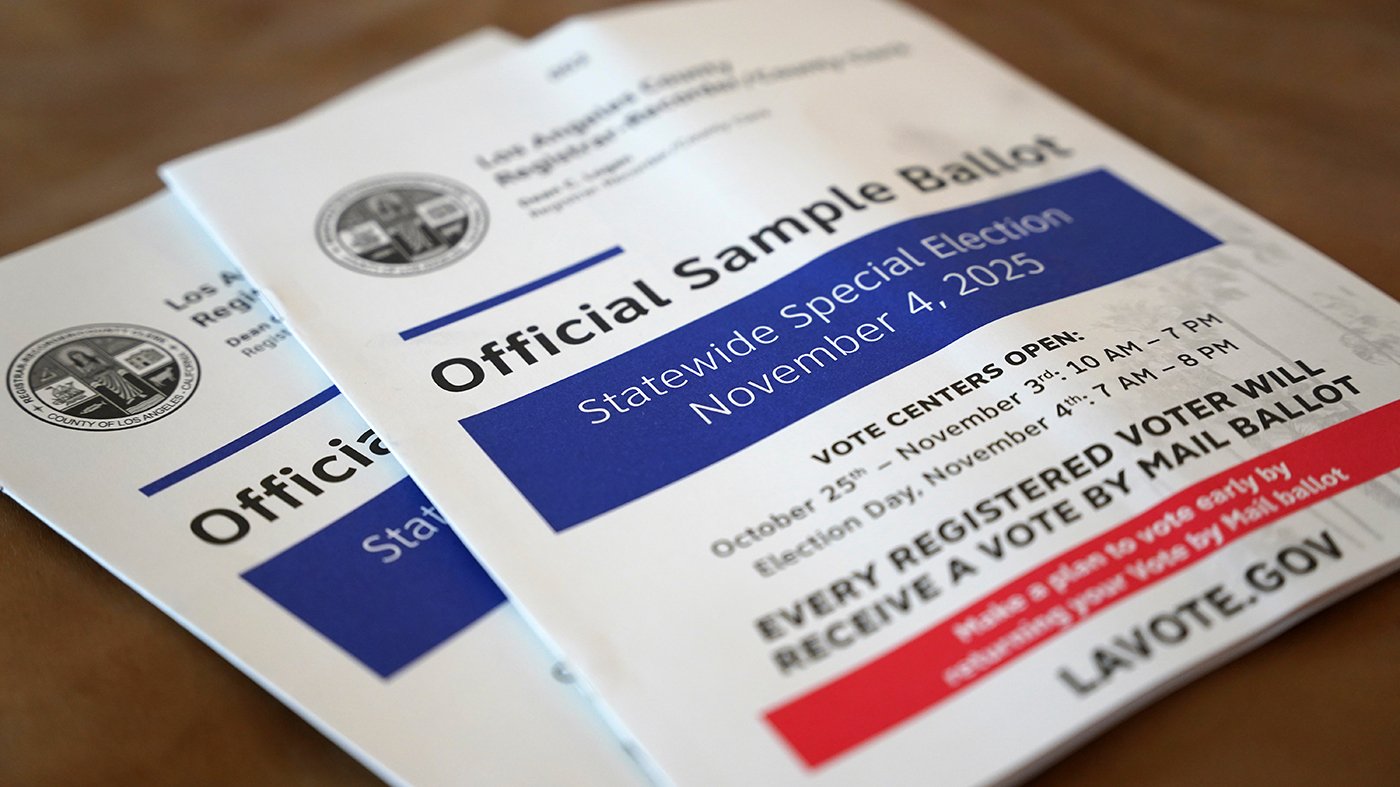
Riverside County Sheriff Chad Bianco, a Republican candidate in California's gubernatorial race, has taken possession of more than 500,000 ballots from a November special election. The election concerned the approval of newly drawn congressional district maps, which analysts say favor Democratic candidates. Bianco initiated the seizure after a local elections integrity group presented claims that the official results were inaccurate by approximately 45,800 votes, pointing to a mismatch between physical ballot logs and the totals reported to the state.
Officials Dispute Discrepancy Claims
California's Democratic Attorney General, Rob Bonta, and Riverside County's Registrar of Voters, Art Tinoco, have sharply contested the group's findings. They assert the actual discrepancy in the vote count is minimal, around 100 votes, and note the measure in question passed in the county by a margin exceeding 80,000 votes. Despite this, Bianco secured two court warrants to confiscate the physical ballots, arguing a straightforward manual count is necessary to resolve the matter. "It is basically a fact-finding mission," Bianco stated at a press conference. "This investigation is simple. Physically count the ballots and compare that result with the total votes reported."
Bianco has insisted his gubernatorial campaign is unrelated to the probe. However, the action has drawn immediate fire from top state Democrats. In a March 6 letter, Attorney General Bonta alleged Bianco may have failed to present a magistrate with all relevant evidence when obtaining the warrants. Bonta has repeatedly urged the sheriff to suspend the investigation since the February 26 seizure, arguing his office lacks the authority to conduct a recount and that the probe "sets a dangerous precedent and will only sow distrust in our elections."
Investigation Yields to Special Master
Facing mounting pressure, Bianco announced he would transfer control of the investigation to a judge-appointed special master. The move is seen as an attempt to add a layer of judicial oversight to the controversial process. The political ramifications are already being felt in the governor's race. Former Los Angeles Mayor Antonio Villaraigosa, a Democratic contender, accused Bianco of attempting to ascend to "MAGA stardom" by seizing ballots without credible evidence, linking the action to broader national narratives about election integrity.
This incident occurs within a national context where election administration has become a focal point of partisan conflict. Similar actions, such as the FBI's seizure of Fulton County's 2020 election records and federal authorities taking possession of voting machines in Puerto Rico, have sparked legal and political battles. These events often unfold alongside unproven claims about election outcomes, such as those persistently promoted by former President Donald Trump regarding his 2020 defeat. Legal debates over ballot handling continue, with conservative Supreme Court justices recently scrutinizing the legality of counting ballots received after Election Day.
The controversy also highlights the strain on officials and institutions tasked with defending electoral processes. As Bonta's office contends with this domestic challenge, the administration faces simultaneous international pressures, including a U.S. military under mounting strain from an extended conflict with Iran. These parallel crises test the capacity of state and federal systems to manage complex security and legal threats on multiple fronts.
Ultimately, the ballot seizure in Riverside County represents more than a local audit; it is a politically charged maneuver intersecting with a high-stakes gubernatorial campaign and national debates over election legitimacy. The outcome of the special master's review will likely influence both the legal standards for such investigations and the political trajectory of a key Republican candidate in a predominantly Democratic state.