The fundamental premise of a free press—that it serves as a watchdog over powerful institutions—has been systematically undermined by media organizations that prioritize narrative enforcement over genuine accountability. Rather than challenging authority, major outlets increasingly protect favored figures while marginalizing legitimate criticism.
The Ehrlich Rehabilitation Project
A striking example emerged recently when the New York Times published a generous assessment of Paul R. Ehrlich following his death. The Stanford biologist famously predicted in the 1970s that overpopulation would cause global famine, resource depletion, and mass death within decades. His forecasts proved spectacularly wrong—global population has grown 134% since his warnings, while extreme poverty has reached historic lows and food production has soared.
Instead of acknowledging Ehrlich's catastrophic miscalculations, the Times characterized his failed predictions as merely "premature." This whitewashing ignores how Ehrlich's alarmism influenced public policy and personal decisions worldwide, with some people choosing not to have children based on his discredited theories. The media's willingness to rehabilitate thoroughly disproven figures reveals a troubling pattern of protecting ideological allies regardless of factual accuracy.
The COVID-19 Accountability Vacuum
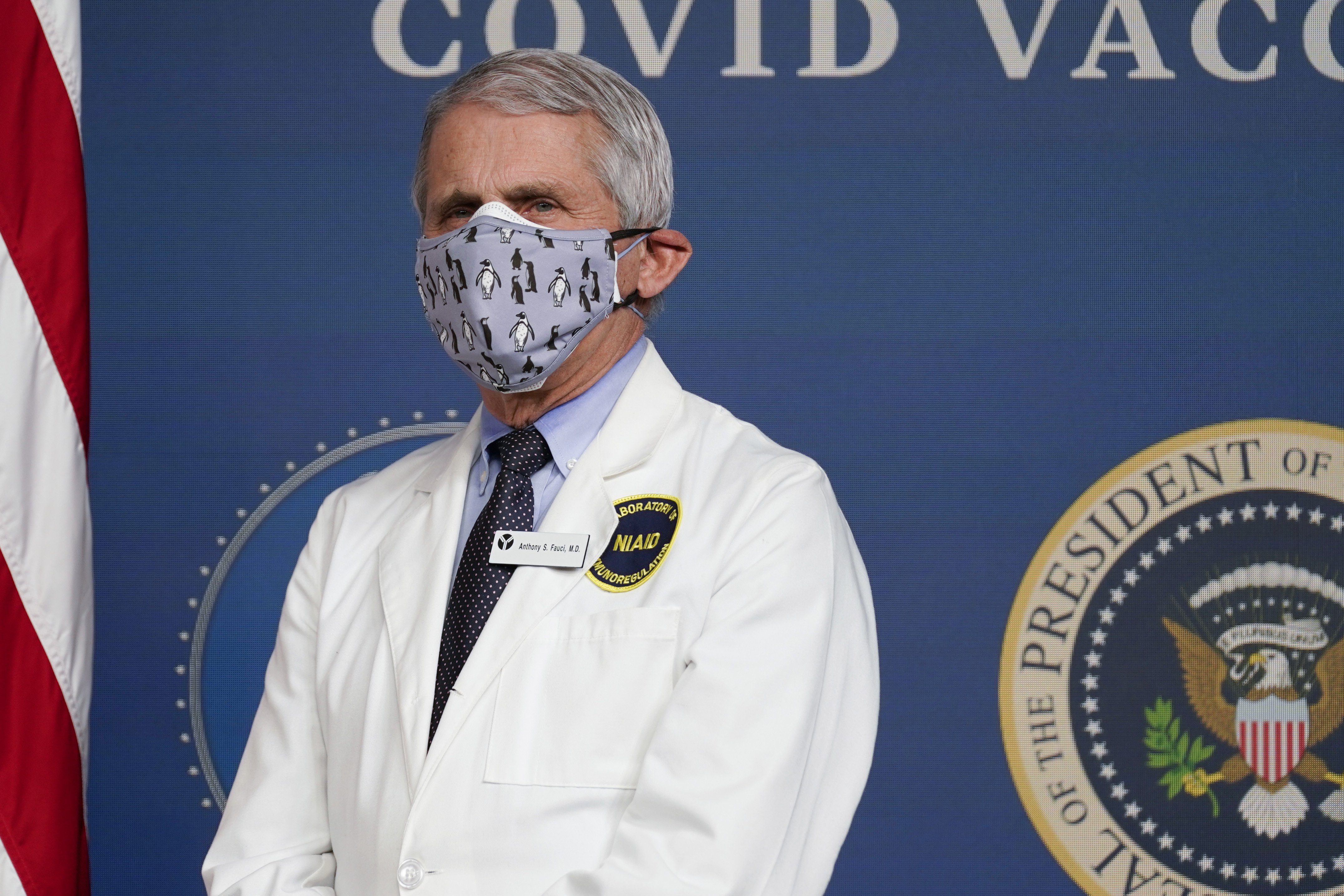
This pattern repeated during the pandemic, when media outlets shielded officials from scrutiny while attacking those who questioned prevailing narratives. Dr. Anthony Fauci received remarkably gentle treatment despite shifting positions on mask effectiveness, social distancing rules, and U.S. funding of gain-of-function research in Wuhan. Serious questions about pandemic origins and policy inconsistencies were dismissed as conspiracy theories, with critics facing accusations of racism or fringe extremism.
The consequences were substantial: China avoided meaningful accountability for pandemic mismanagement, while flawed policies went unchallenged. Media organizations actively discouraged uncomfortable questions, with some even celebrating government efforts to silence dissent. This failure occurred while the press simultaneously applied inconsistent standards to public gatherings, condemning some while celebrating others.
Heroes and Villains Narrative
The media's pandemic coverage created a distorted hierarchy of credibility. Former New York Governor Andrew Cuomo received fawning coverage despite his administration's nursing home policies that contributed to thousands of deaths, later compounded by sexual harassment allegations. Meanwhile, President Trump's Operation Warp Speed—which delivered vaccines in record time—received minimal credit compared to the criticism he faced.
This selective accountability extends beyond pandemic coverage. As international tensions flare, media narratives often simplify complex geopolitical situations. Recent developments in U.S.-Iran relations demonstrate how coverage can prioritize political angles over substantive policy analysis. Similarly, debates about foreign policy and economic priorities frequently become polarized rather than examined on their merits.
Institutional Self-Examination Avoided
Perhaps most concerning is the media's resistance to self-criticism following these failures. Outlets that promoted exaggerated climate predictions or pandemic policies that later proved flawed continue presenting themselves as authoritative without acknowledging past errors. The insistence that "the science is settled" on complex issues while ignoring previous scientific misjudgments undermines public trust.
This pattern affects how other institutions are covered as well. When government agencies face operational crises, coverage often focuses on political blame rather than systemic solutions. Similarly, discussions about media regulation and fairness frequently become ideological battlegrounds rather than substantive policy debates.
The Cost of Narrative Enforcement
The cumulative effect of these practices is a media landscape that fails its core democratic function. When journalists prioritize protecting certain narratives and figures over rigorous scrutiny, they become participants in political processes rather than observers. The public receives filtered information that confirms predetermined conclusions rather than challenging power structures.
This represents more than mere bias—it's a systemic failure that allows misinformation to flourish when it serves ideological purposes while punishing heterodox thinking that might actually reveal truth. Until news organizations recommit to challenging all centers of power equally, regardless of political alignment, their credibility will continue eroding alongside their capacity to genuinely hold the powerful accountable.