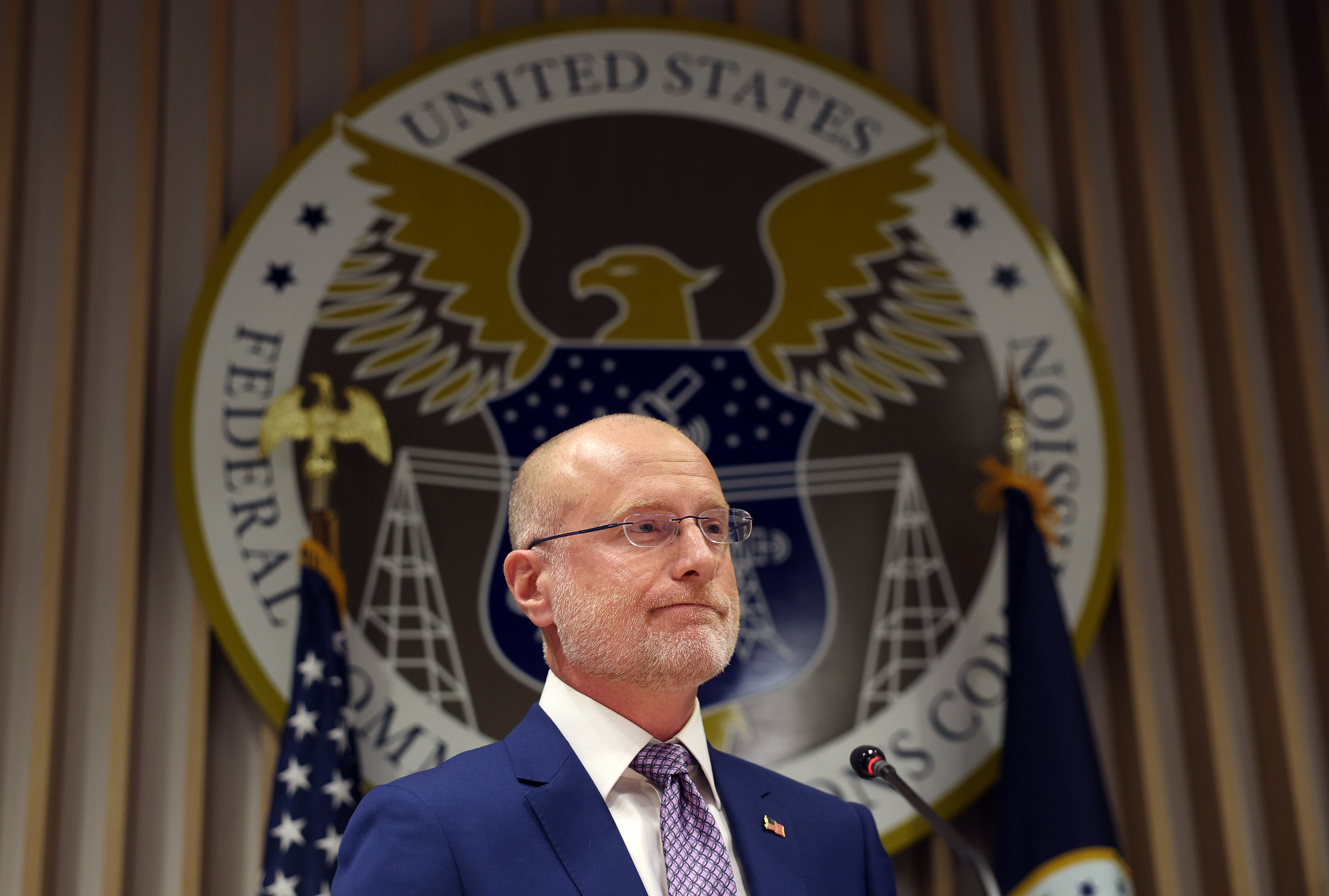
A Depression-era broadcasting law is creating contemporary political headaches as the Federal Communications Commission moves to enforce equal opportunity rules for candidates on public airwaves. Section 315 of the Communications Act of 1934, designed to ensure fairness when broadcasters use publicly owned spectrum, mandates that stations provide opposing candidates equivalent access if they feature one political contender.
From News Exemption to Modern Controversy
The law operated quietly for decades, particularly after a 1960 update exempted legitimate news and public affairs programs from its requirements. This carve-out recognized journalistic independence while maintaining that entertainment programming—including comedy shows and talk formats—must comply. The FCC's recent public notice to broadcasters, clarifying that non-news programming faces enforcement, has ignited partisan disputes as the 2026 election cycle approaches.

The conflict became tangible last month when CBS lawyers advised Stephen Colbert against airing an interview with Texas Senate candidate James Talarico on broadcast television, fearing equal time obligations to opponents like Congresswoman Jasmine Crockett and Ahmad Hassan. The interview ultimately streamed online—outside FCC jurisdiction—generating more publicity through controversy than traditional broadcast would have provided. This incident highlights how strategic non-compliance can sometimes benefit campaigns more than adherence to fairness rules.
Entertainment Versus Regulation
Similar tensions emerged during the 2024 presidential election when NBC featured Kamala Harris on "Saturday Night Live," prompting the Trump campaign to demand equal time—which NBC subsequently provided elsewhere in its programming. Currently, ABC's "The View" faces FCC scrutiny regarding its Section 315 compliance. While produced under a news division umbrella, the program's format may not qualify for the bona fide journalism exemption, testing regulatory boundaries in today's media landscape.
FCC Chair Brendan Carr has signaled a stricter enforcement approach than his predecessors, who often overlooked entertainment programs claiming exempt status. This shift comes as political communication has migrated to digital platforms, social media, and cable channels—all beyond Section 315's reach. The Supreme Court's recent decisions on regulatory boundaries in other contexts may eventually influence how broadcast rules are applied.
Structural Challenges and Political Reality
Modernizing or eliminating Section 315 requires congressional action—a unlikely prospect given that incumbents often benefit from existing broadcast structures. The rule's persistence reflects how legacy regulations struggle to address contemporary media fragmentation, where candidates can bypass traditional broadcast entirely through targeted digital campaigns. Meanwhile, the broader regulatory environment for communications continues evolving alongside other policy priorities.
As primary campaigns intensify toward November's midterms, broadcasters face increased scrutiny over political content. The FCC's renewed vigilance creates operational challenges for networks producing entertainment programming with political elements, potentially chilling candidate appearances outside traditional news formats. This enforcement push occurs alongside other federal agency staffing and operational pressures that affect regulatory capacity.
Ultimately, Section 315 represents a regulatory artifact in a transformed media ecosystem. While its equal opportunity principle retains philosophical merit, practical enforcement grows increasingly complex when political communication happens predominantly through unregulated channels. The coming election cycles will test whether a 1934 solution can address 21st-century political communication—or whether the rule's most significant impact will be generating controversy rather than ensuring fairness.