Military strikes targeting energy infrastructure in the Persian Gulf are intensifying a pre-existing global energy crisis, with a new and severe focus on liquefied natural gas markets. The conflict, which had already constricted oil flows through the critical Strait of Hormuz, is now directly damaging multibillion-dollar gas export facilities with repair timelines stretching to five years.
Direct Hits on Critical Export Capacity
Following an Israeli attack on Iran's massive South Pars gas field, apparent retaliatory strikes damaged natural gas infrastructure in Qatar and the United Arab Emirates. The CEO of QatarEnergy stated the attack knocked out 17 percent of the nation's LNG export capacity, with repairs potentially requiring three to five years. As the world's third-largest gas exporter, this represents a severe and prolonged reduction in global supply.
"Now we're seeing direct attacks on multibillion dollar infrastructure that's going to take as long as five years to fix," said Jim Krane, a fellow in Middle East Energy Studies at Rice University's Baker Institute. "It's keeping a significant portion of global LNG supplies off the market for a long time. It's going to be really costly."
Regional Price Spikes and Global Repercussions
The immediate impact has been dramatic price increases. Europe's benchmark TTF gas price has nearly doubled since the conflict's escalation, with a 17 percent jump in a single week. Analysts warn the supply shock is potentially recessionary if sustained.
"It's having significant impact on prices in Europe and Asia," said Ira Joseph, a global fellow at Columbia University's Center on Global Energy Policy. "It's not really having an impact on U.S. gas prices right now." He warned that Europe could face new competition from Asian buyers willing to pay premiums, redirecting U.S. LNG exports away from European markets. This comes as the broader State Department issues global travel alerts and the U.S. military faces mounting strain in the region.
Aditya Saraswat of Rystad Energy noted Asia, which receives 80-90 percent of Qatar's exports, will be hardest hit. Gas destined for Italy, Belgium, South Korea, and China is expected to be affected.
Insulated U.S. Market and Broader Economic Threats
The U.S. natural gas market remains largely decoupled from these global spikes due to its regional nature and limited import needs. The benchmark Henry Hub price has risen only about 8 percent, a muted response compared to international markets. "Gas markets are regional. We don't import LNG in the U.S. anymore," Krane explained. "The higher prices are likely to be good for the companies that are doing the exports ... it's not going to affect us at all."
However, the broader economic threat is significant. "High prices create scarcity," Joseph said. "A lot of countries and a lot of buyers can't afford energy, and if the buyers can't afford energy, whatever they're producing, they produce less of and that causes their economies to recede."
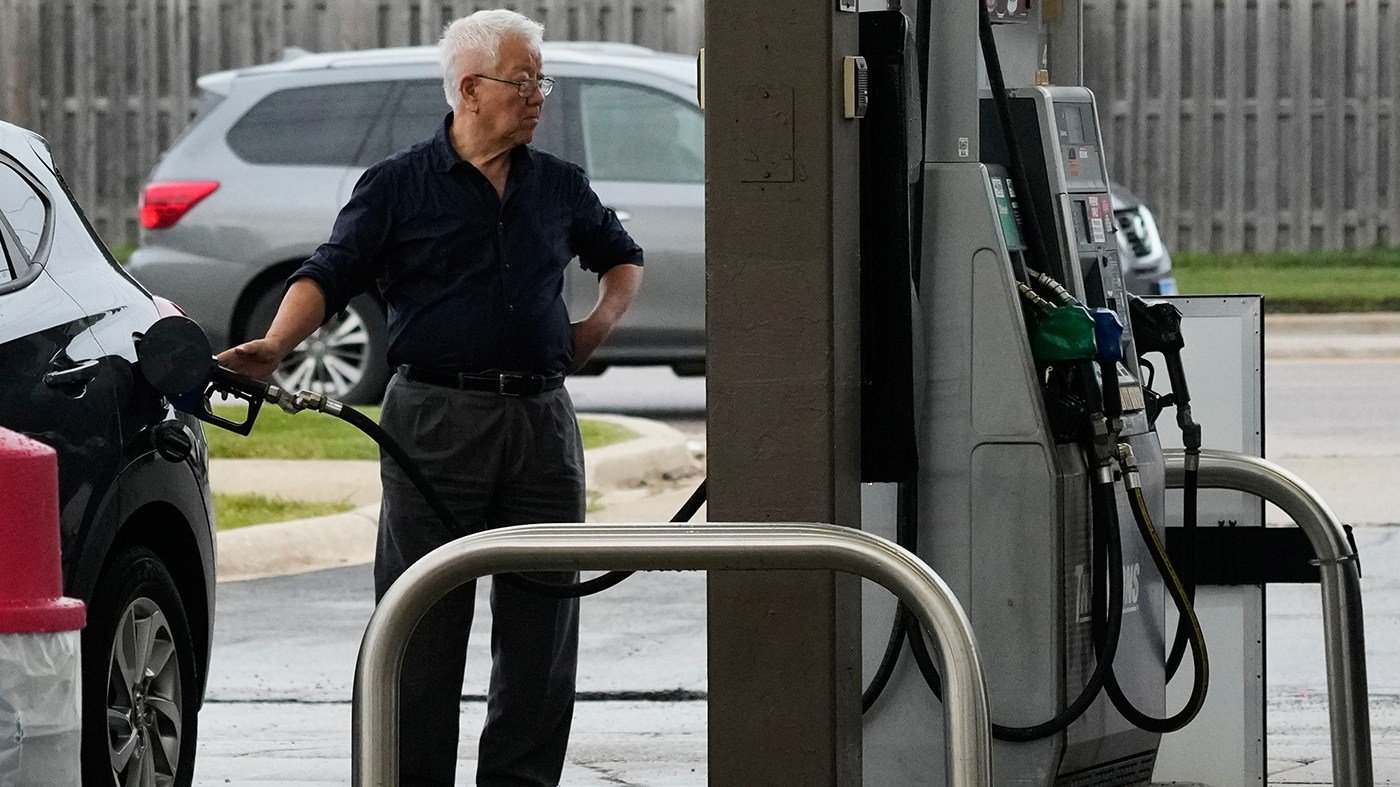
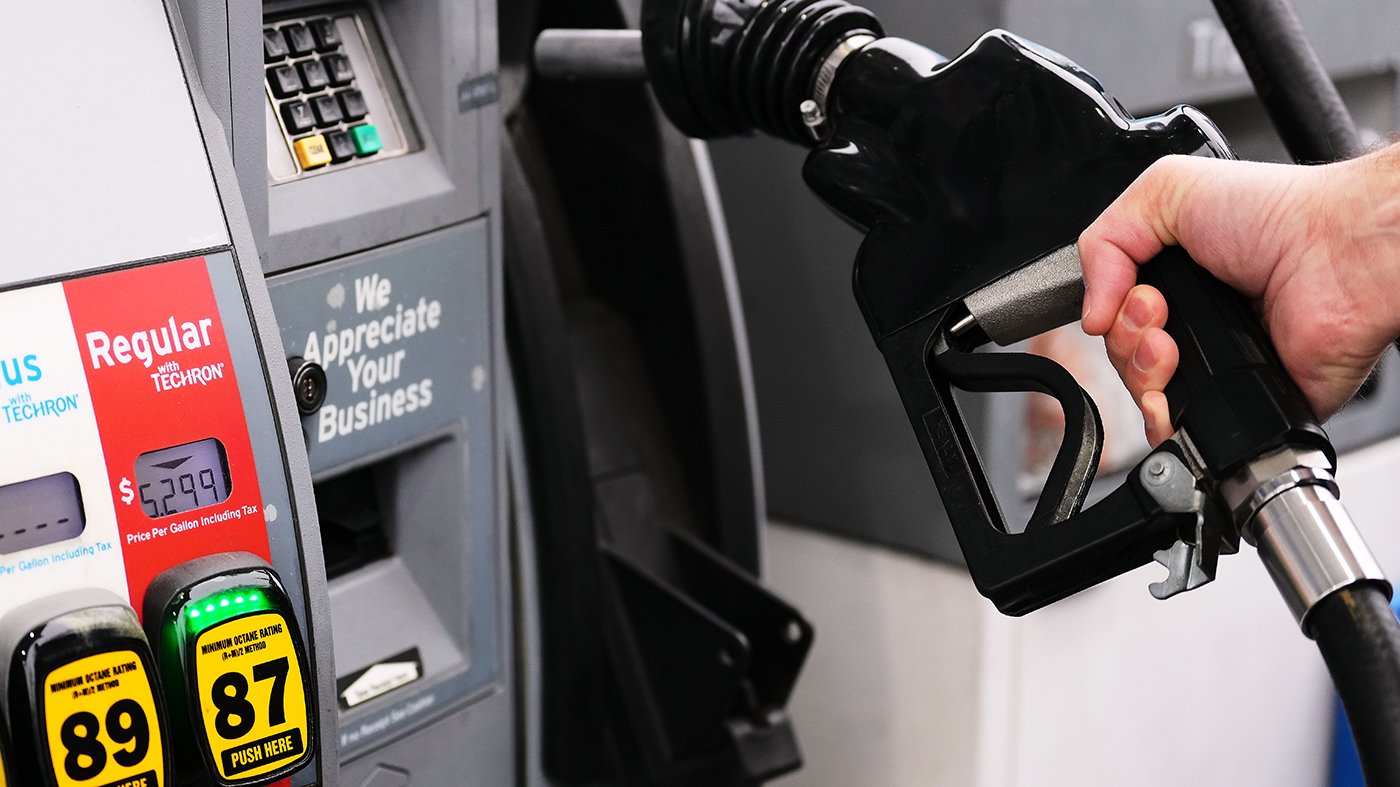
This LNG crisis compounds existing oil market turmoil from the Strait of Hormuz closure. The national average gasoline price in the U.S. has surged to about $3.91 per gallon, up nearly a dollar in a month, straining consumers and fueling recession fears. Saudi officials have warned oil could spike to $180 per barrel. The situation underscores the complex geopolitical calculus, reminiscent of moments when a previous administration paused strikes seeking diplomatic breakthroughs to calm volatile energy markets.
The attacks on core LNG infrastructure mark a dangerous escalation, transforming a regional military conflict into a sustained shock to global energy security with distinct winners and losers across continental markets.