Administration Claims Military Triumph as Diplomatic Standoff Intensifies
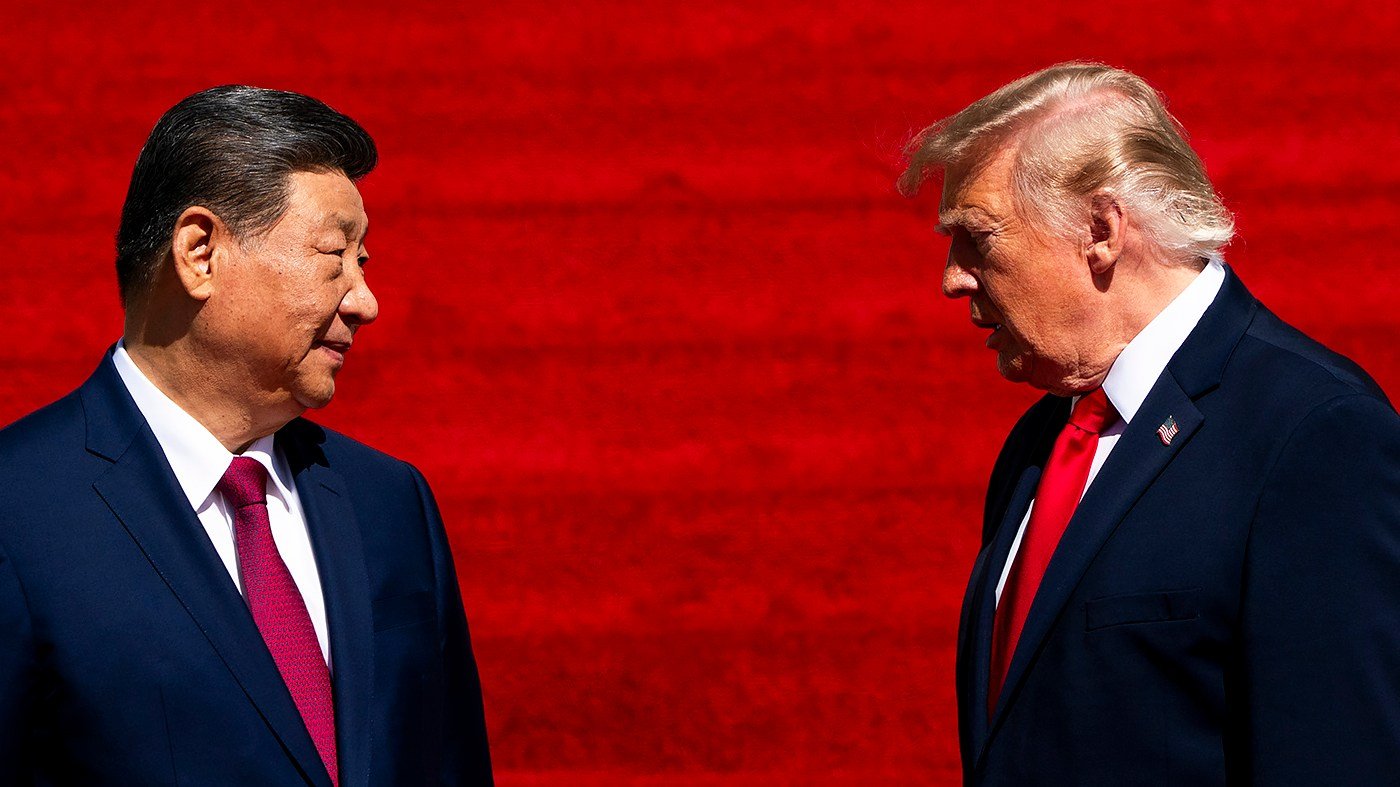
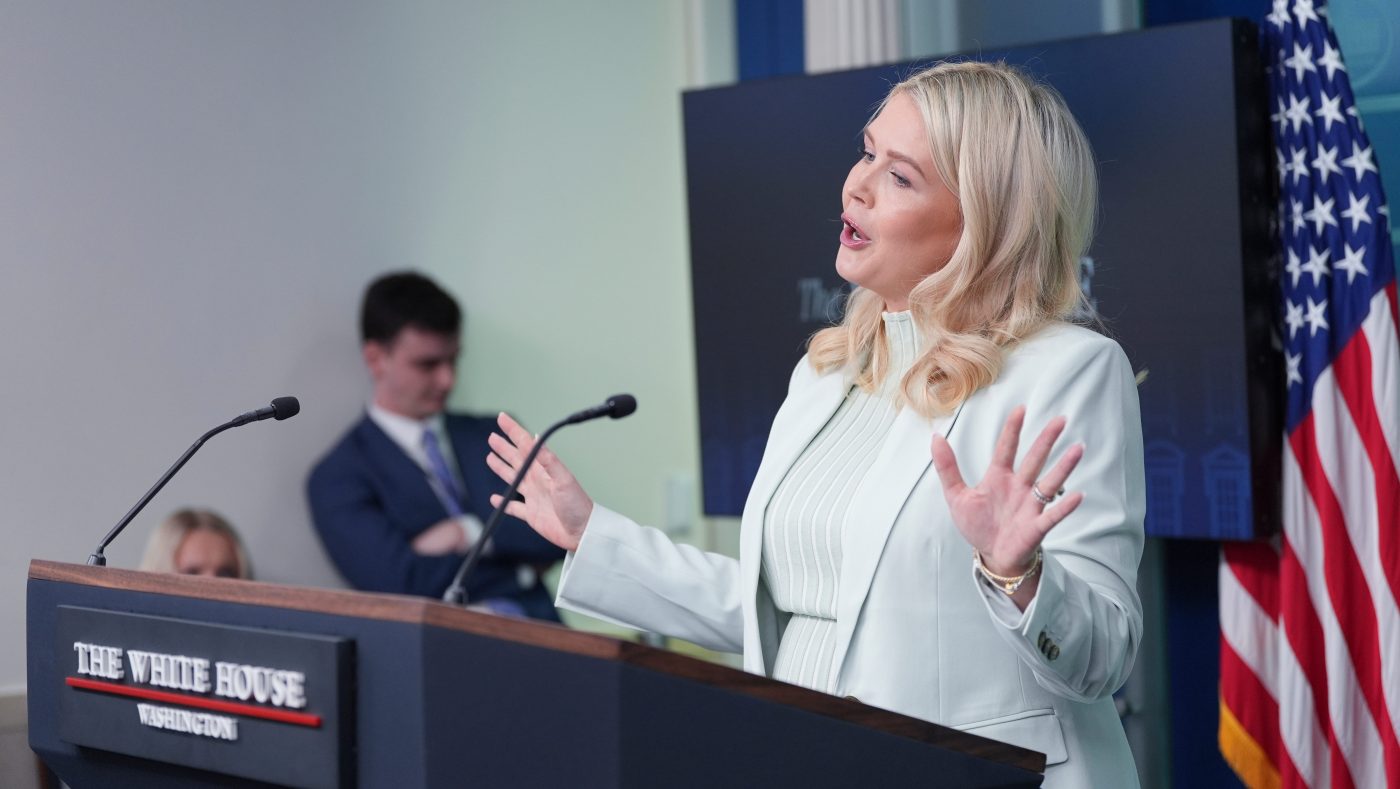
White House Press Secretary Karoline Leavitt announced Wednesday that the United States has nearly accomplished the primary goals of its military campaign against Iran, while simultaneously warning that attacks would intensify if Tehran refuses to accept American demands regarding its nuclear program. The declaration came amid starkly contradictory statements from Iranian leadership, who dismissed U.S. negotiations as nonexistent and threatened "relentless attacks" against regional infrastructure.
"Core Objectives" Met in Operation Epic Fury
"We are very close to meeting the core objectives of Operation Epic Fury, and this military mission continues unabated," Leavitt stated during the daily briefing. She characterized the conflict as a "resounding military triumph" that has degraded Iran's naval capabilities and advanced efforts to reopen the Strait of Hormuz to international shipping. The press secretary asserted American forces were "ahead of schedule" and claimed Iranian leadership was seeking "an exit ramp" as their defensive capacity diminishes "hour by hour."

Leavitt presented Tehran with a stark choice: cooperate with the Trump administration by permanently abandoning nuclear weapons development and ceasing threats against American allies, or face devastating military consequences. "President Trump does not bluff, and he is prepared to unleash hell," she warned, while maintaining that "the president's preference is always peace." She attributed recent pauses in strikes against Iranian power plants to what she described as "productive conversations" with the regime.
Iranian Defiance and Conflicting Narratives
While the White House portrayed diplomatic progress, Iranian officials delivered a contradictory account. Parliament Speaker Mohammad Bagher Ghalibaf posted on social media that all U.S. movements were under surveillance and threatened that "vital infrastructure of that regional country will, without restriction, become the target of relentless attacks" if American forces overstep. The Iranian Embassy in India subsequently published documents showing Tehran had flatly rejected a 15-point U.S. ceasefire proposal delivered through Pakistani intermediaries.
The rejected American proposal addressed Iran's ballistic missile and nuclear programs alongside freedom of navigation in the Strait of Hormuz, which has been restricted since hostilities began on February 28, causing significant oil price volatility. In response, Iran demanded a complete cessation of aggression, war reparations, a regional ceasefire, and restored sovereignty over the strategic waterway. Iranian officials characterized the U.S. offer as "a deception aimed at escalating tensions" and maintained that no substantive negotiations were occurring.
This diplomatic impasse occurs alongside continued military pressure. Defense Secretary Pete Hegseth emphasized Tuesday that "we negotiate with bombs," stating the Defense Department's mission was to ensure Iran never obtains nuclear weapons. "We're keeping our hand on that throttle as long and as hard as is necessary," Hegseth declared alongside President Trump during an Oval Office ceremony. The administration's approach reflects broader strategic challenges posed by adversarial coordination between Iran and other states.
Broader Context and Congressional Dynamics
The administration's dual approach of declaring victory while threatening escalation unfolds against a complex backdrop. The conflict has already prompted Energy Department preparations to address oil market disruptions stemming from Strait of Hormuz restrictions. Meanwhile, congressional support for continued operations remains uncertain, with House Speaker Mike Johnson recently indicating that funding for the Iran campaign would likely require Republican-only reconciliation measures.
Military personnel considerations also factor into sustained operations. The ongoing conflict has intensified pressure on recruitment and retention, coinciding with the Army's recent expansion of its recruiting pool to age 42 and relaxation of drug conviction rules to address personnel shortages.
With neither side's proposal likely to be accepted without major concessions, the standoff highlights fundamentally incompatible positions. The White House frames the conflict as nearing successful conclusion with Iran facing a binary choice between capitulation and destruction, while Tehran portrays itself as resisting American aggression and preparing countermeasures. This divergence suggests continued volatility despite administration claims of impending resolution, with the potential for rapid escalation should diplomatic channels—which each side claims the other has abandoned—completely collapse.