Speaker Eyes Reconciliation Path for Defense Supplemental
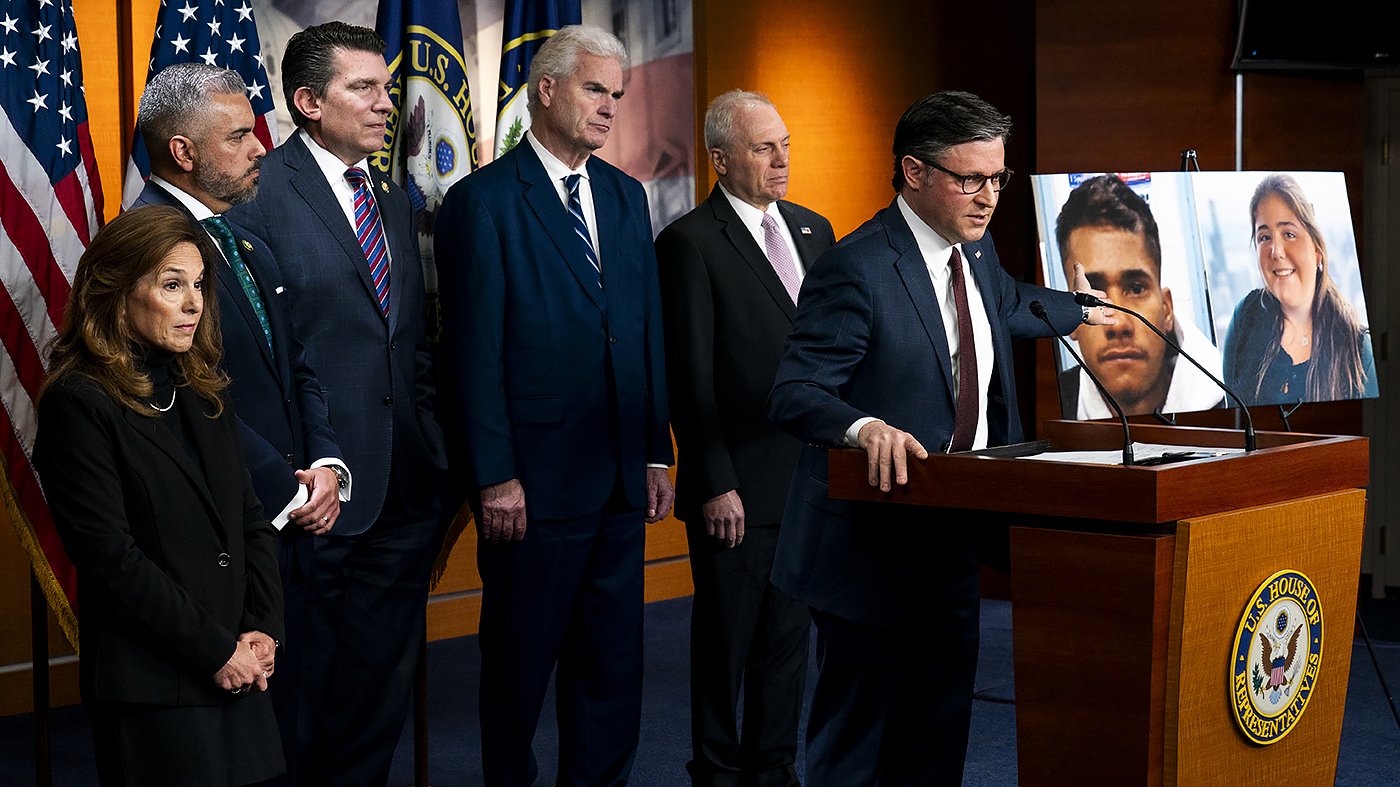
House Speaker Mike Johnson stated on Wednesday that emergency funding to replenish Pentagon resources expended in recent military actions against Iran will most likely be packaged within a second Republican-only budget reconciliation bill. The Louisiana Republican expressed approval that the Senate is advancing plans for such legislation, which would circumvent the usual 60-vote threshold and allow passage without Democratic support.
During a press conference, Johnson argued that the special parliamentary procedure is necessary because he believes Democrats will not vote to approve supplemental funds for the Defense Department. "I don't even think they would agree to vote on a bill that would simply restock our munitions," Johnson said, referencing weapons used in Operation Epic Fury. "We've got to do that. It's a necessity. I don't think we can count on their vote to do the simple, basic responsibility of Congress."
Senate Budget Chair Moves Forward
The Speaker's comments align with signals from Senate Budget Committee Chairman Lindsey Graham. The South Carolina Republican announced on social media that his panel would "expeditiously move toward creating a second budget reconciliation bill" designed to ensure adequate funding for homeland security and military operations. Graham's committee holds key jurisdiction over the reconciliation process, which allows certain budgetary measures to pass the Senate with a simple majority.
Johnson has consistently advocated for a follow-up reconciliation package after last year's major GOP legislation that delivered tax cuts and increased funding for Immigration and Customs Enforcement and the Pentagon. However, he has not previously detailed specific priorities for this second bill. Passing such legislation would require near-unanimous support from House Republicans, given the party's razor-thin majority in the chamber. The Speaker noted he had spoken with Graham the previous evening about other matters but welcomed the Senate's interest in what he termed "reconciliation 2.0."
"It is possible that the defense supplemental will be a part of that package, but we don't yet have the details," Johnson added, maintaining some procedural ambiguity. This development occurs as Graham pushes for a second reconciliation bill that would address funding for both ICE and ongoing military engagements.
Funding Request and Political Context
The White House has not formally submitted a supplemental funding request to Congress for costs associated with operations against Iran. However, reports indicate the Pentagon has forwarded a substantial proposal to the administration seeking approximately $200 billion in additional funding—a significant increase that would come atop the military's existing $1 trillion annual budget.
The political maneuver to use reconciliation highlights the deep partisan divisions over defense spending and foreign policy. Johnson's assertion that Democrats would oppose replenishing munitions sets the stage for a contentious legislative battle. The strategy also recalls previous GOP efforts to use the reconciliation process for partisan priorities, though it remains unclear what other provisions might be included alongside defense funding.
This push for emergency funds coincides with other national security developments, including the Pentagon's confirmation that it utilized artificial intelligence from Anthropic during the Iran conflict, even as that firm faces legal challenges over a potential blacklisting. Meanwhile, congressional scrutiny of Iran policy continues elsewhere, as demonstrated when Representative Gregory Meeks moved to compel testimony from Senators Marco Rubio and Jared Kushner regarding the administration's wartime decision-making.
The reconciliation path, while procedurally advantageous for Republicans, carries risks. Crafting a bill that can satisfy the Senate's strict budgetary rules and unite nearly all House GOP members presents a significant challenge. Furthermore, any package that emerges would be subject to President Biden's signature, creating a potential veto scenario if the legislation includes provisions unacceptable to the administration. As details develop, the debate over funding military operations through a partisan process will test congressional cohesion and the separation of powers in national security matters.