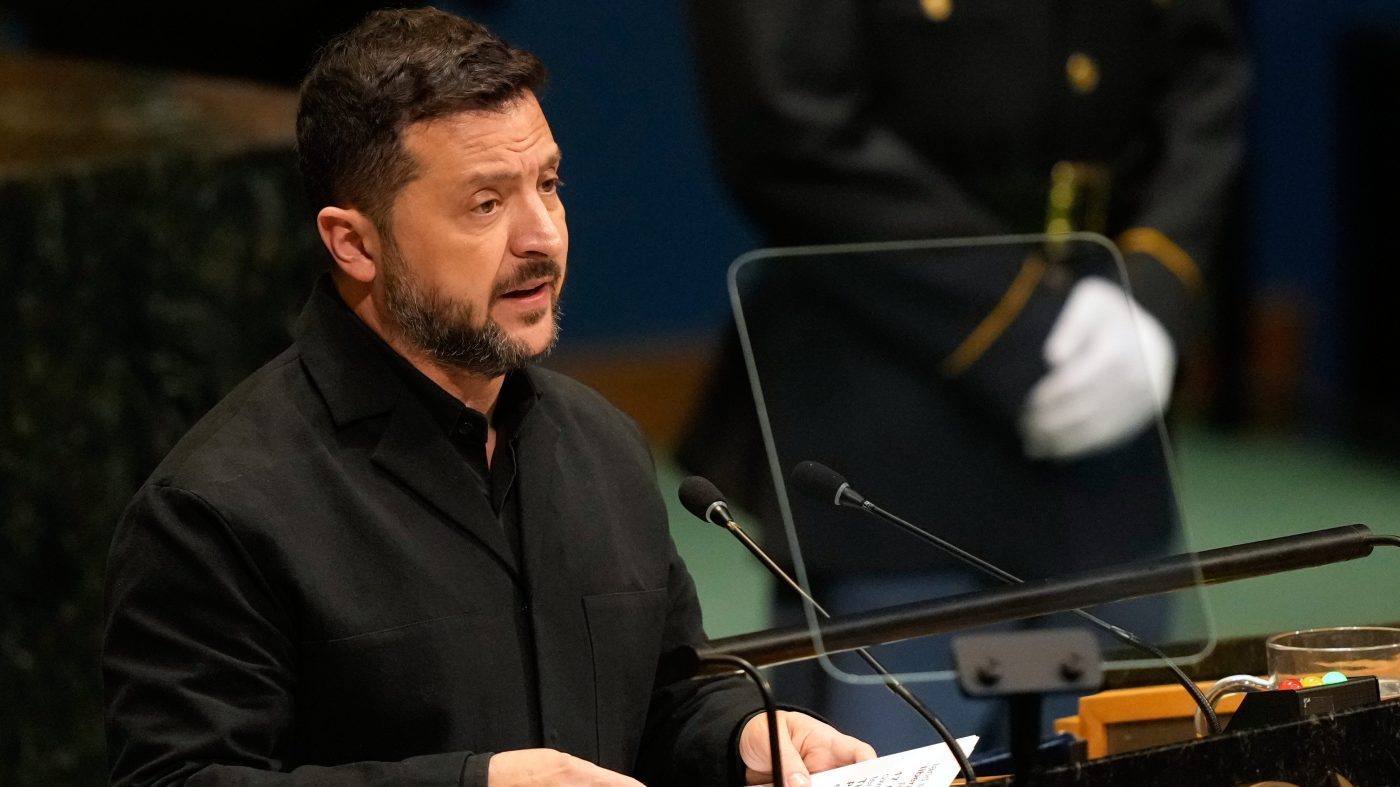
The Pentagon is actively using artificial intelligence technology from Anthropic in its military operations against Iran, a senior defense official confirmed to Congress on Tuesday, even as the department has declared the company a national security risk and ordered its systems removed from military networks.
During a Senate Armed Services subcommittee hearing, Pentagon Chief Information Officer Kirsten A. Davies told Sen. Jack Reed (D-R.I.) that the Claude AI model is being deployed as part of Operation Epic Fury, the U.S. military campaign against Iran. "The use of the system is active right now," Davies stated, acknowledging the deployment while defending a 180-day timeline for removing Anthropic's technology from Pentagon systems.
Conflicting Policies Create Operational Dilemma
The confirmation reveals a striking contradiction in Pentagon policy: while military commanders continue using Claude for intelligence analysis in active combat operations, the Defense Department has formally designated Anthropic as a supply chain risk. This designation, typically reserved for foreign adversaries, would prohibit defense contractors from using the company's products and requires their removal from military systems.
Davies signed a March 6 memo arguing that Anthropic's technology poses "an unacceptable supply chain risk for use in all systems and networks." Yet when questioned by Reed about why the Pentagon continues using technology it has deemed unsafe, Davies emphasized operational necessity. "Senator, at no time, in any way, will we interfere with the success, the lethality and the resilience of our war fighters," she responded, explaining the department provided "a reasonable amount of time for those systems to be replaced."
Legal Battle Escalates as Conflict Continues
The situation has sparked a public confrontation between the Trump administration and the AI industry. After negotiations over safety protocols for Anthropic's models collapsed, President Trump directed federal agencies to stop using the technology, and Defense Secretary Pete Hegseth formally labeled the company a supply chain risk. Anthropic responded with a lawsuit, calling the administration's actions "unprecedented and unlawful."
Anthropic is seeking an emergency injunction in federal court in California to temporarily block the Pentagon's designation. When Reed pressed Davies for details about why the designation was imposed, she declined to elaborate, citing the ongoing litigation. "Since the Pentagon is being sued by Anthropic, I won't go into the deep details of it," Davies said, though she noted the department had briefed congressional offices on the decision.
The AI system's specific military application involves intelligence analysis for U.S. Central Command operations against Iran, according to previous reporting. This confirmation comes as the conflict enters its fourth week, placing additional strain on military resources and intelligence capabilities.
Broader Implications for Defense Technology
Davies framed the situation as part of a broader strategic shift in defense technology procurement. "With President Trump's great leadership, we have a number of technology companies that have come to the table wanting to do business with us as the Department of War and across the U.S. government," she told the committee. "So we know that we've architected this appropriately in order to use competitive advantage as well."
The episode highlights growing tensions between the national security establishment and the commercial AI sector. While military leaders increasingly rely on advanced artificial intelligence for battlefield advantages, concerns about supply chain vulnerabilities and corporate control of critical technology have created new policy challenges. The Pentagon's simultaneous use and condemnation of Anthropic's systems illustrates the practical difficulties of implementing security policies during active military operations.
Anthropic declined to comment on the confirmation of its technology's military use. The company's legal challenge to the Pentagon's designation represents a significant test of presidential authority over national security technology procurement, particularly as military pressure on Iran continues and commanders seek every available technological advantage.