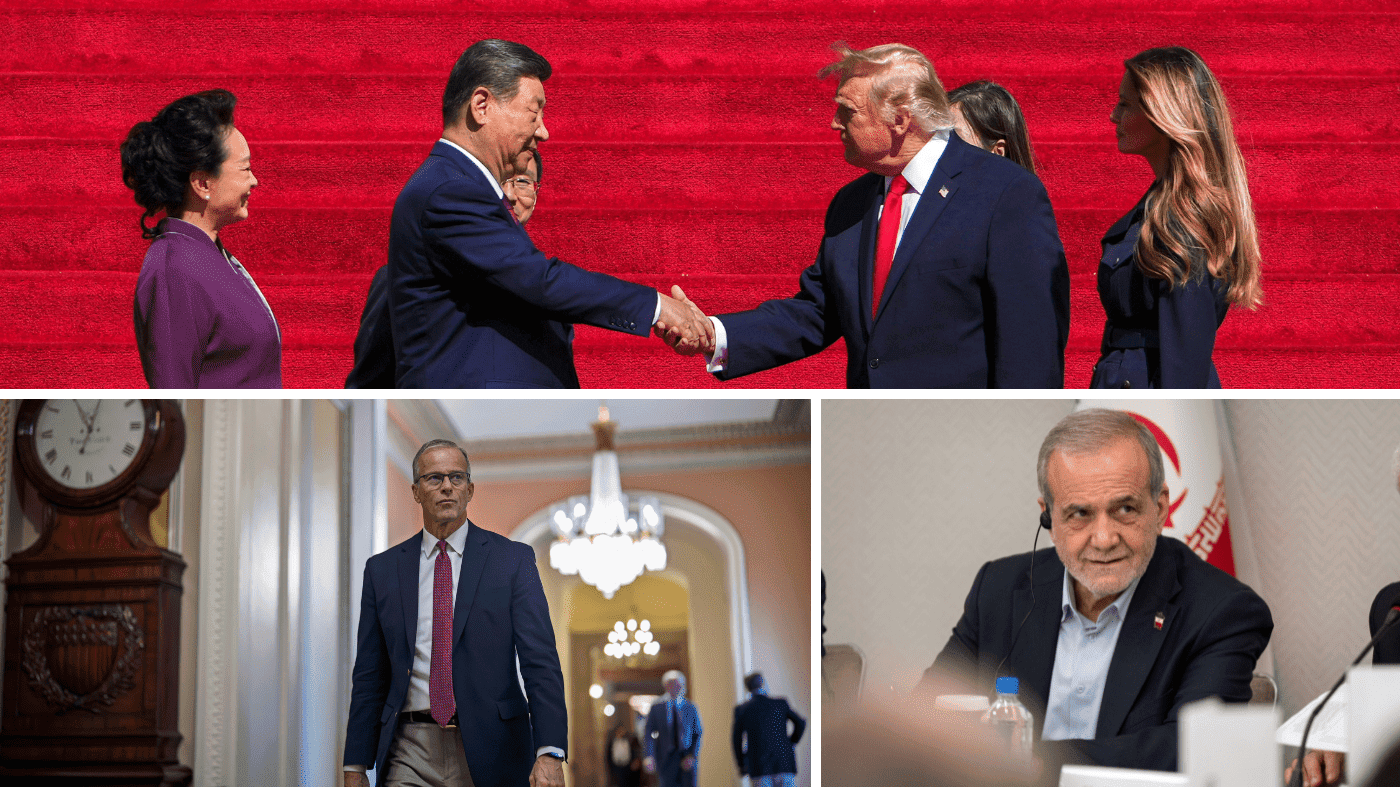
The ranking Democrat on the House Foreign Affairs Committee moved Wednesday to force testimony from three of the Trump administration's central figures in the ongoing Iran conflict, setting off a contentious hearing that laid bare deep partisan divisions over congressional war powers.
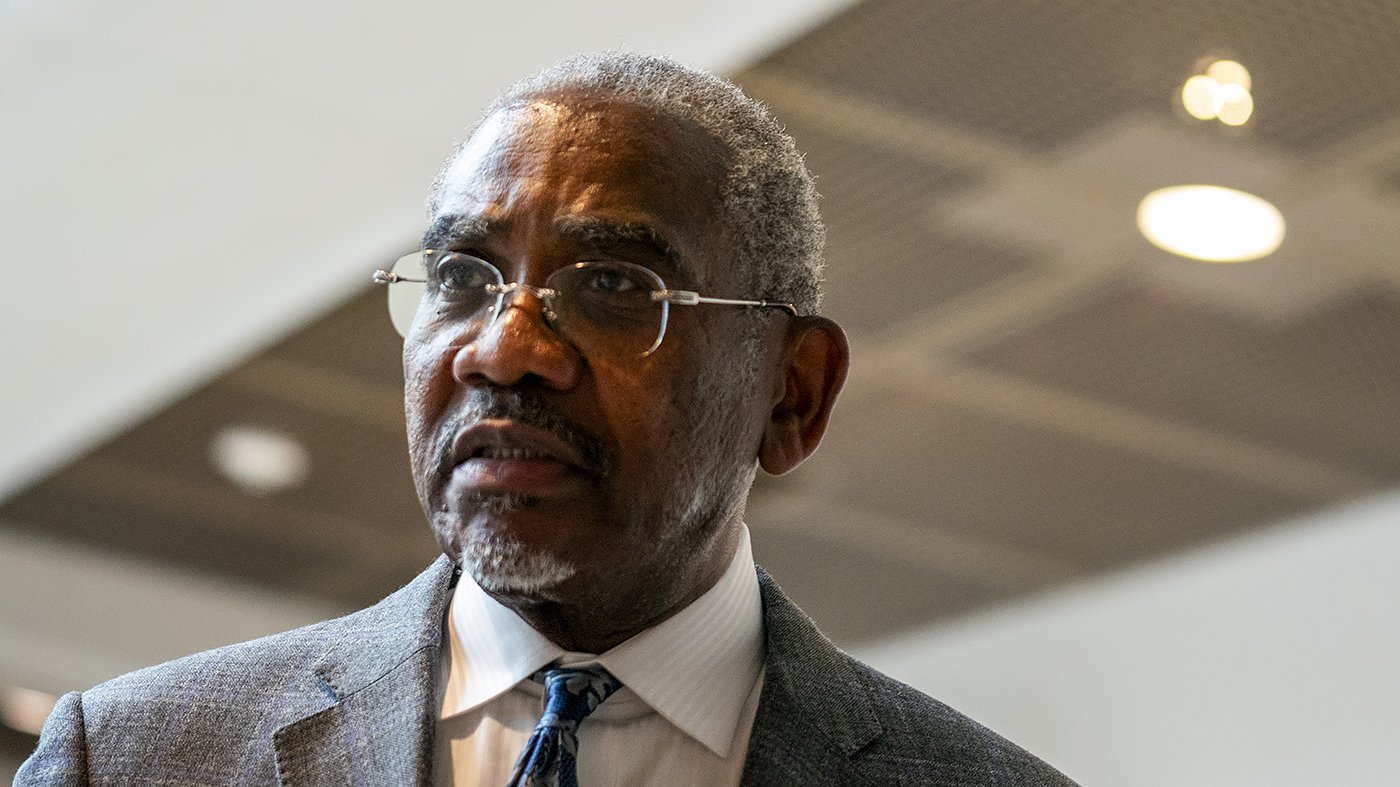
Rep. Gregory Meeks (D-N.Y.) introduced motions to subpoena Secretary of State Marco Rubio and U.S. envoys Jared Kushner and Steve Witkoff, demanding they appear before the committee by the end of April. Meeks argued the panel has a fundamental duty to examine what he termed "President Trump's war of choice in Iran," stating that the public deserves to hear directly from the officials managing diplomacy and military engagement.
"If this committee cannot hold hearings on a war involving U.S. forces, the diplomacy around it, and its impacts on our allies and partners, then we are not meeting our most basic oversight responsibility," Meeks declared before filing his motion during a hearing on arms control.
The move immediately provoked Republican pushback. Committee Chairman Brian Mast (R-Fla.) said the panel would vote on the subpoena motions after the hearing concluded but accused Meeks of undermining the process by skipping classified briefings on the conflict. Mast noted the Democrat had arrived 45 minutes late to a recent session with State Department intelligence officials. "Had you been on time, you might know a little bit more," Mast told him.
The exchange escalated into a lengthy argument about the committee's role. Meeks accused Mast of protecting the administration from scrutiny. "I know that you want to protect the president, and the way you want to protect him is by not calling his people present. … No responsibility, no oversight, no public oversight. It's time for that to stop," Meeks said. Mast retorted, "Again, I'd encourage you [to] attend the hearings and the briefings that we have. You'd learn quite a bit, and even consider showing up on time."
The subpoena push comes as the administration asserts that Rubio, Kushner, and Witkoff are engaged in negotiations to end the nearly month-long war, a claim contradicted by Iranian officials. President Trump told reporters Tuesday that the officials, along with himself and Vice President Mike Vance, are involved in talks with Tehran. However, the speaker of Iran's parliament, Mohammad Bagher Ghalibaf, posted on social media that his country has not negotiated with the U.S., though Israeli officials told Axios that Kushner and Witkoff have been in contact with Ghalibaf.
Prior to the outbreak of hostilities on February 28, Witkoff and Kushner had been engaged in Oman-mediated discussions with Iran regarding its nuclear program and missile development. The military situation remains volatile, with the Pentagon preparing to deploy approximately 2,000 additional troops from the Army's 82nd Airborne Division to a region where roughly 50,000 U.S. service members are already stationed. The human cost continues to mount, with seven U.S. troops killed by Iranian retaliation, six dead in a March 12 aircraft crash in Iraq, and 232 wounded since the conflict began.
The partisan clash over oversight echoes other recent political confrontations, such as when a federal judge dismissed a Justice Department subpoena against a political figure, citing a lack of evidence. It also occurs amid broader Democratic efforts to challenge administration foreign policy, including briefings on Iran tensions and homeland security during the recent government shutdown.
As the committee prepares to vote on the subpoenas, the dispute underscores a fundamental conflict between a Democratic minority seeking aggressive oversight of a military engagement and a Republican majority aligned with the executive branch. The outcome will signal whether Congress can exercise its war powers authority amid a deepening overseas conflict.