Army Broadens Eligibility Criteria as Demographic and Operational Challenges Mount
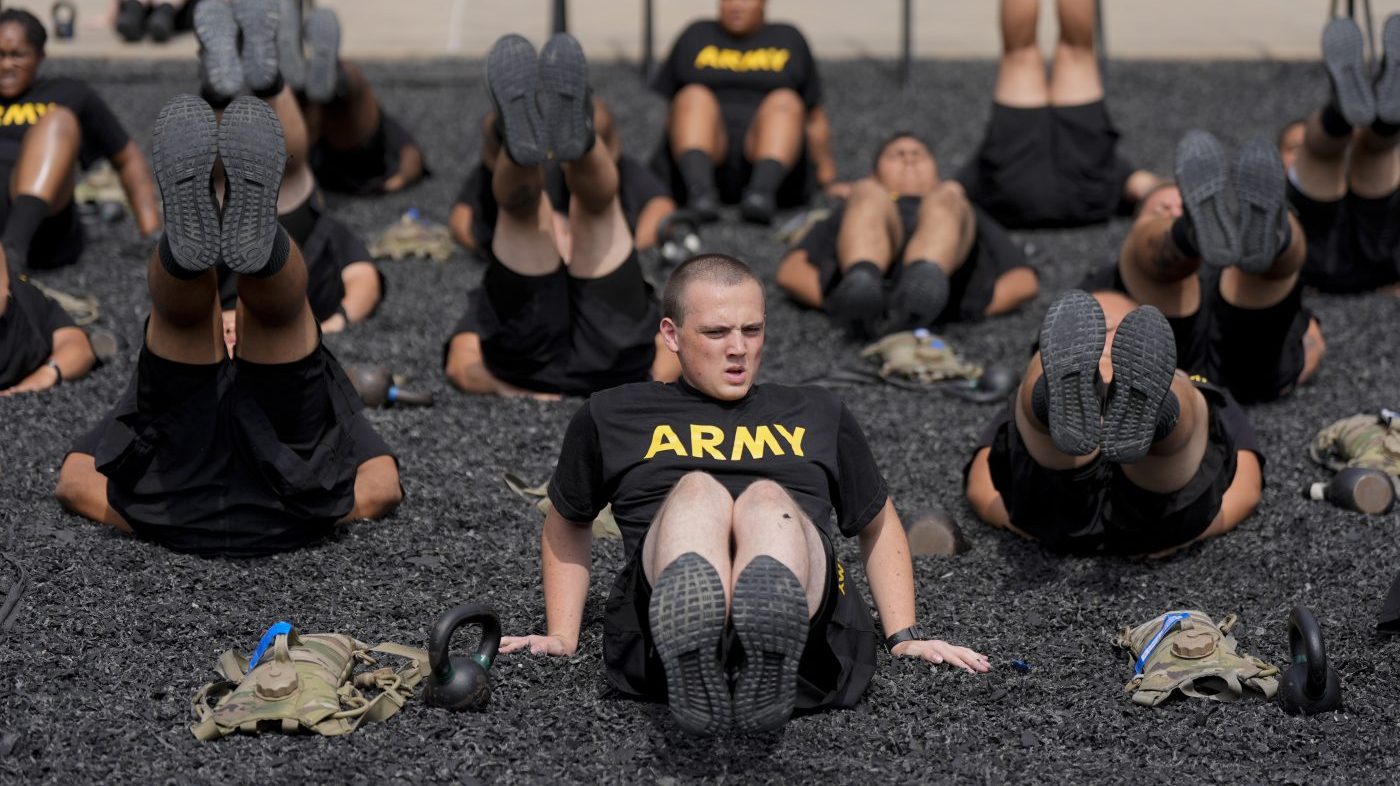
The United States Army has implemented two substantial policy shifts aimed at expanding its potential recruiting base, raising the maximum age for enlistment to 42 and easing restrictions on applicants with prior convictions for marijuana possession. The changes, formalized in an update to Army Regulation 601-210 published on March 20, took effect on April 20. They represent a direct response to persistent recruiting shortfalls and come at a time of heightened military activity, including the ongoing conflict with Iran and its proxies that has strained personnel resources.
Policy Details and Strategic Context
The new age ceiling of 42 marks a seven-year increase from the previous limit of 35. The minimum age remains 17 with parental consent or 18 without. Simultaneously, the service has eliminated the waiver requirement for prospective recruits with a single conviction for marijuana possession or possession of drug paraphernalia. This adjustment reflects the evolving legal landscape surrounding cannabis, now legalized for recreational or medical use in a majority of states. Applicants with more serious drug-related offenses will still require a waiver review.
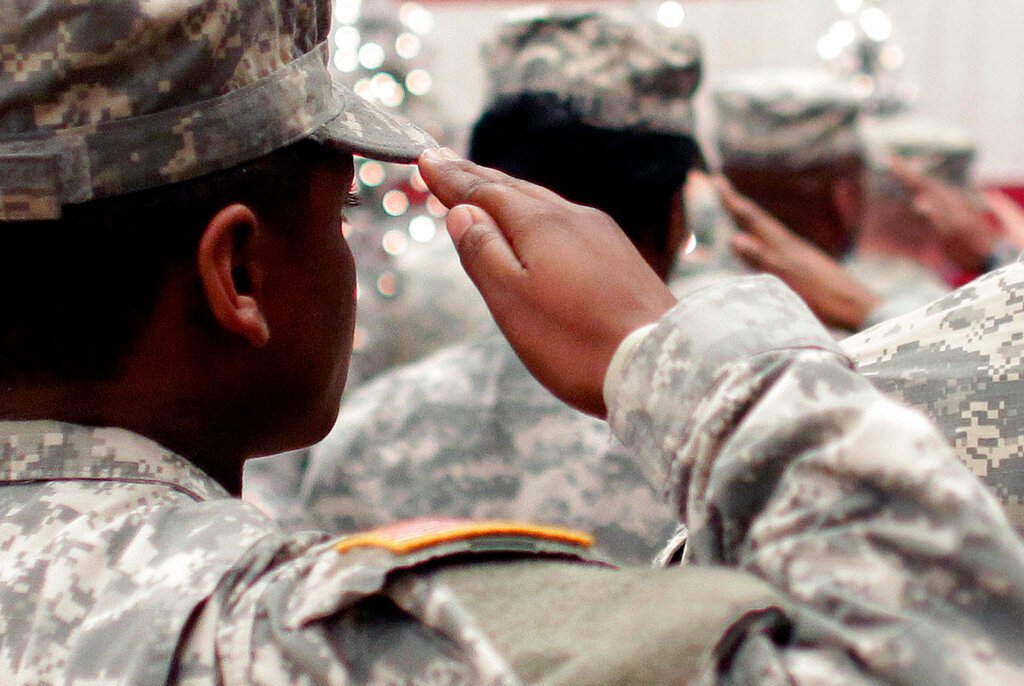
These reforms arrive as the Pentagon grapples with a challenging recruiting environment characterized by a tight labor market, low veteran propensity among youth, and stringent medical and moral standards. The policy shift also coincides with military preparations for potential expanded operations in the Middle East, increasing demand for personnel. The Army's move aligns with broader trends; both the Navy and Air Force already accept recruits over 40, while the Marine Corps maintains a stricter cutoff at 28, albeit with waiver possibilities.
Data and Rationale Behind Targeting Older Recruits
Internal data and external research appear to support the strategic pivot toward older applicants. The average age of Army recruits has been trending upward in recent years. A notable RAND Corporation report cited by the Army found that older enlistees typically outperform their younger counterparts on qualification exams, often possess higher educational attainment, and bring greater life experience to their roles. The study also concluded these individuals demonstrate higher rates of reenlistment and promotion once in uniform, suggesting they may offer better long-term retention value.
"This isn't about lowering standards; it's about accessing a demographic that brings maturity, stability, and proven life skills," a senior Army personnel official explained on background. "We are competing for talent in a national pool, and these changes allow us to consider qualified Americans who were previously excluded based solely on age or a minor, non-violent offense from their past."
Broader Political and Operational Landscape
The recruitment policy overhaul occurs against a contentious political backdrop where military readiness and resourcing are hotly debated. Congressional scrutiny of defense strategy is intensifying, as seen in recent efforts like the push by House Foreign Affairs Committee ranking member Gregory Meeks to compel testimony on Iran policy. Furthermore, progressive factions in Congress have formally rejected a substantial funding request for Middle Eastern operations, highlighting the fiscal pressures surrounding military expansion.
Concurrently, the Department of Defense faces other public challenges, including accusations from major media outlets regarding press freedom restrictions. The Army's new recruitment strategy can be viewed as an attempt to bolster its ranks through administrative means, potentially reducing reliance on more politically fraught measures like draft reinstatement or significant bonus increases.
The success of this expanded eligibility model will be closely monitored. If effective, it could provide a blueprint for other services struggling with similar demographic hurdles. However, it also raises questions about the long-term physical demands of military service on older personnel and the cultural integration of recruits with potentially significant age gaps. The Army's gamble is that the benefits of experience and stability will outweigh these concerns, providing a necessary influx of capable soldiers during a period of global uncertainty and domestic recruiting strain.