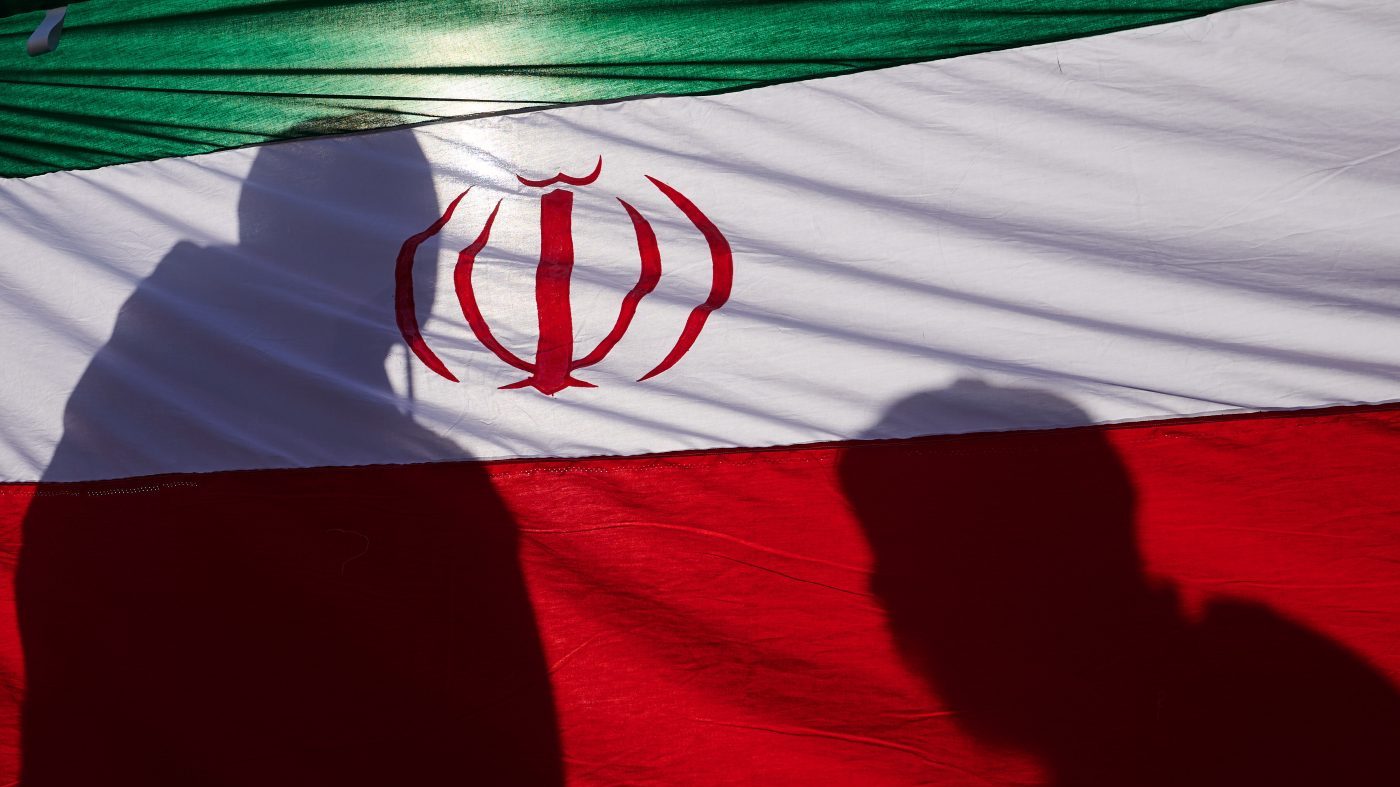
Iran has formally dismissed a proposed ceasefire agreement from the United States, denouncing the plan as "unrealistic" and refusing to negotiate under what it calls the shadow of sanctions and military threats. The rejection comes as a critical deadline set by President Trump approaches, with the U.S. threatening to strike Iranian power plants and other infrastructure if Tehran does not reopen the vital Strait of Hormuz.
Diplomatic Rejection Under Pressure
In a statement posted on the social platform X, the Iranian Foreign Ministry declared its official rejection of the reported 15-point U.S. proposal. "Iran firmly refuses any negotiations conducted under the shadow of illegal sanctions, military threats, or coercion," the statement read. "#Diplomacy requires mutual respect, not pressure." This marks at least the second time in recent weeks that Iran has waved off a U.S. ceasefire initiative, following a similar rejection last month reported by a state-run news agency.
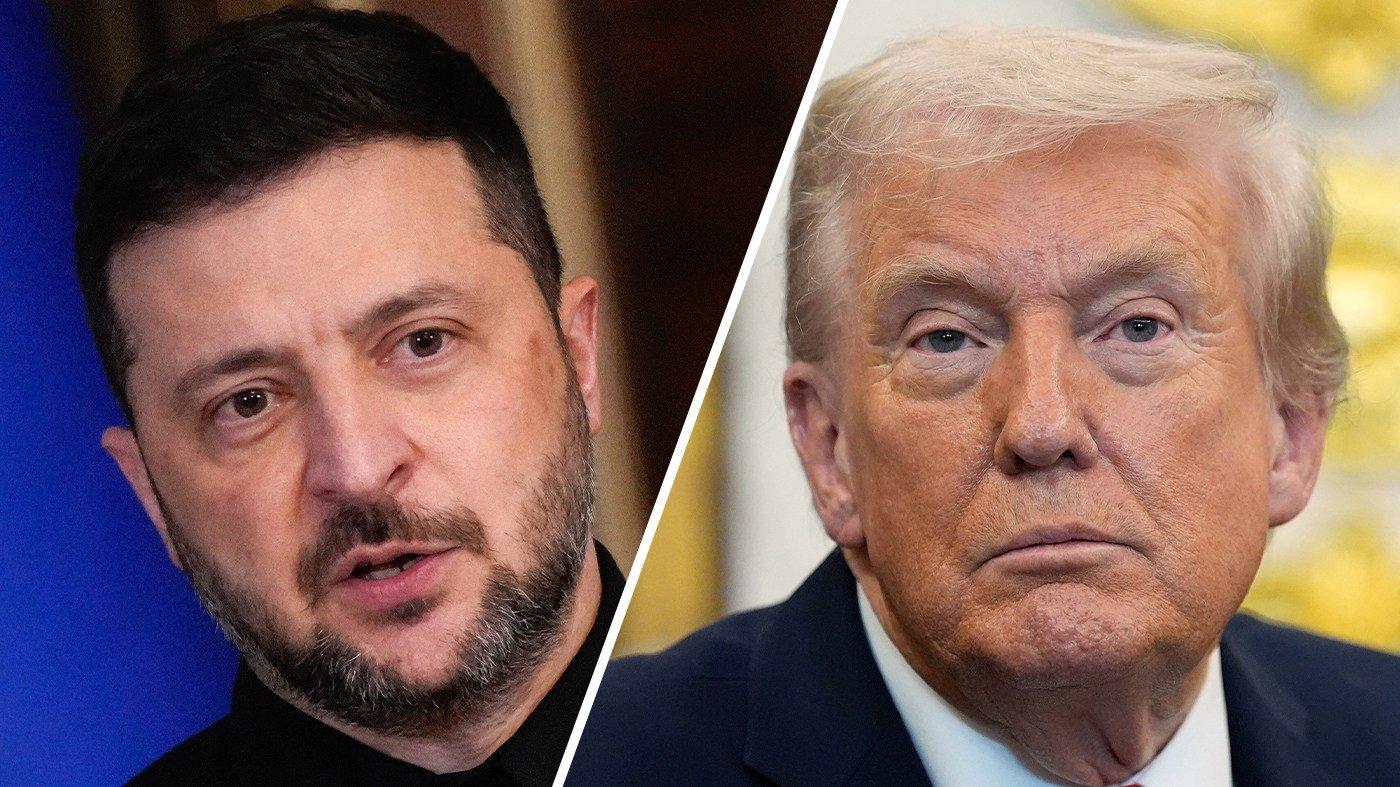
The latest proposal, delivered by third-party mediators from Egypt, Pakistan, and Turkey, reportedly outlined terms including a 45-day ceasefire and the reopening of the Strait of Hormuz, according to The Associated Press. The strategic waterway's closure has severely disrupted global energy shipments, escalating tensions to a boiling point. The framework of this proposal aligns with a broader U.S. diplomatic strategy that continues to pair talks with military pressure.
Trump's Ultimatum and Military Threats
President Trump has set a stark deadline for Iran, warning that failure to reopen the strait would trigger devastating consequences. "If they were smart they would make a deal," Trump told The Hill in a brief phone interview, while not ruling out deploying U.S. troops on the ground in Iran. He emphasized that "normal people" and "smart people" would accept an agreement.
Earlier, Trump was more explicit about the potential retaliation, stating the U.S. would target Iran's power plants and bridges if no deal is reached. He pressed Tehran with crude language, demanding they "open the F---in' Strait, you crazy bastards." This hardline stance underscores the administration's maximum-pressure campaign, which now hangs over the already strained political environment in Washington where domestic security funding is also contested.
Iran's Stance and Regional Mediation
An informed source within Iran, cited by a state-run news agency, explained the rationale behind the rejection. "Basically, it is not logical to enter into such a process with those who violate the agreement," the person stated, reflecting deep-seated mistrust of U.S. commitments following the collapse of the previous nuclear deal. Iran's position remains that legitimate diplomacy cannot proceed alongside economic sanctions and overt military threats.
The involvement of regional mediators from Egypt, Pakistan, and Turkey highlights the international concern over a potential military confrontation. Their draft proposal represents a last-ditch effort to avert a conflict that could destabilize the entire Middle East and trigger a global energy crisis. However, the immediate rejection by Tehran suggests these ceasefire efforts are collapsing, with both sides entrenched in their positions.
Broader Implications and Escalating Crisis
The standoff places immense strain on global diplomatic channels and raises the specter of a new war in the Middle East. The Strait of Hormuz is a chokepoint for approximately one-fifth of the world's oil shipments, making its closure an economic and strategic flashpoint. Military action against Iranian infrastructure would likely provoke retaliatory strikes across the region, potentially drawing in U.S. allies and adversaries.
This crisis unfolds as the Trump administration continues to leverage its foreign policy agenda, which includes domestic reorganization efforts like extending the FEMA reform panel. The simultaneous handling of an international military brinkmanship and internal policy shifts tests the administration's capacity on multiple fronts. With the deadline looming and diplomacy at an impasse, the world watches to see if either side will blink before the threat of "all Hell" becomes a reality.