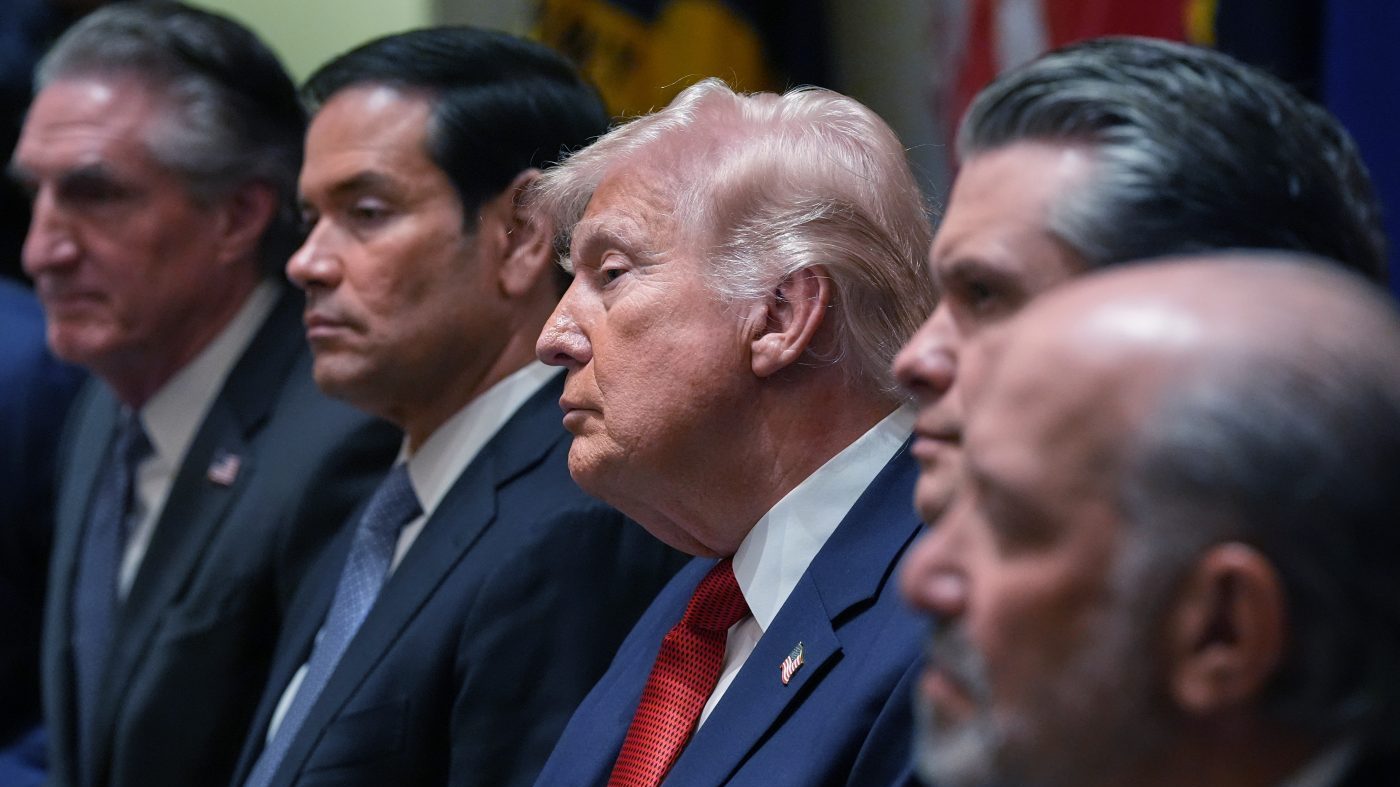
President Donald Trump convened his eleventh Cabinet meeting of his second term on Thursday, with the ongoing military conflict with Iran consuming the bulk of the agenda. The session, which ran approximately ninety minutes, featured remarks from only a handful of department heads, a departure from the format of previous gatherings. It also marked the first appearance of new Homeland Security Secretary Markwayne Mullin.
Diplomatic Framework and Military Threats
The most substantive revelation came from Special Envoy Steve Witkoff, who confirmed the United States has circulated a fifteen-point action list intended to serve as the foundation for a potential peace agreement with Tehran. Witkoff stated the framework had been shared through Pakistani mediators, leading to what he characterized as "strong and productive" preliminary discussions. He emphasized the sensitivity of the diplomacy and noted the President's directive to avoid negotiating through the press.
This diplomatic push exists alongside continued military posturing. Defense Secretary Pete Hegseth explicitly stated that while the administration welcomes a deal, the U.S. would persist in "negotiating with bombs" in the interim. This mixed messaging reflects a broader pattern; earlier on Thursday, Trump warned on social media that consequences for Iran would escalate if negotiations faltered. The administration's stance appears at odds with public sentiment, as recent polling shows most Americans oppose military action in Iran and disapprove of the President's handling of the situation.
Iran's Demands and a Shutdown Blame Game
Iran has responded with its own set of conditions, including a full cessation of hostilities, reparations for war damages, and reaffirmed sovereignty over the strategic Strait of Hormuz. Analysts assess the initial proposals from both nations as non-starters, suggesting a significant gap remains.
Domestically, Trump used the meeting to attack Democratic lawmakers, holding them responsible for the ongoing partial shutdown of the Department of Homeland Security, now in its sixth week. He claimed public anger was directed at Senate Democrats and threatened "drastic measures" if the funding impasse continues. The shutdown has exacerbated disruptions at major airports as TSA personnel work without pay.
Oil as a Diplomatic Token
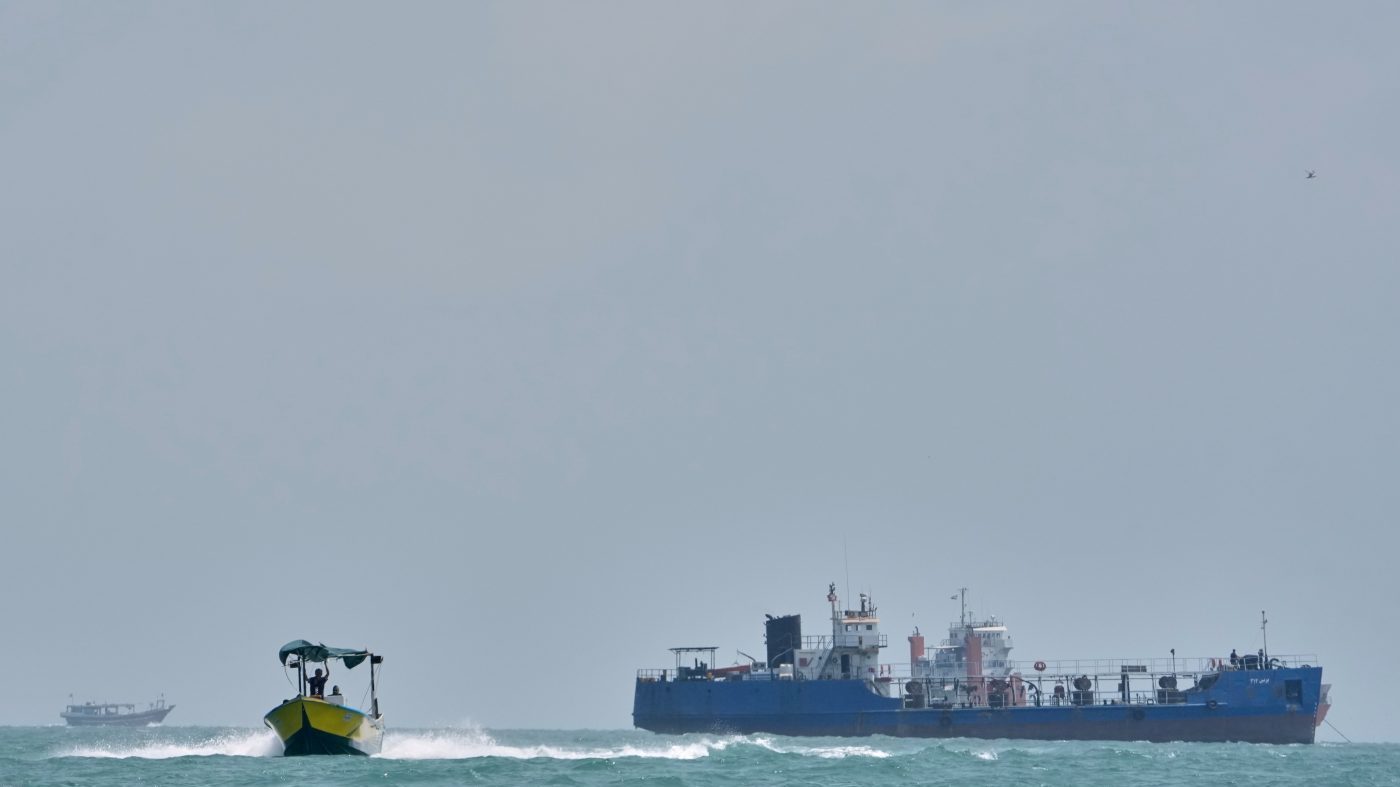
In a notable aside, the President detailed what he described as a "present" from Iran: the allowance of eight oil tankers to transit the Strait of Hormuz as a gesture of goodwill. Trump said he witnessed the passage on television and interpreted it as a sign of serious intent from Tehran, later noting two additional ships were allowed through. The Strait's closure has severely constrained global oil flows, contributing to soaring energy prices. The President's disclosure of this diplomatic channel prompted concern that he may have compromised sensitive negotiations by discussing it publicly.
The meeting also touched on internal Republican dynamics regarding Iran strategy. Some congressional Republicans have expressed concern over the influence of hawkish voices, a tension highlighted by recent calls from Representative Nancy Mace for the President to sideline Senator Lindsey Graham over his aggressive stance.
As the administration pursues this dual-track approach of diplomacy and force, the path forward remains fraught. The confirmation of a concrete peace framework represents a new phase, but Hegseth's unambiguous threat ensures military pressure remains a central component of U.S. strategy. The success of this effort hinges on navigating complex internal policy divisions and external geopolitical realities, all while managing domestic political challenges like the DHS shutdown and broader political vulnerabilities for the President.