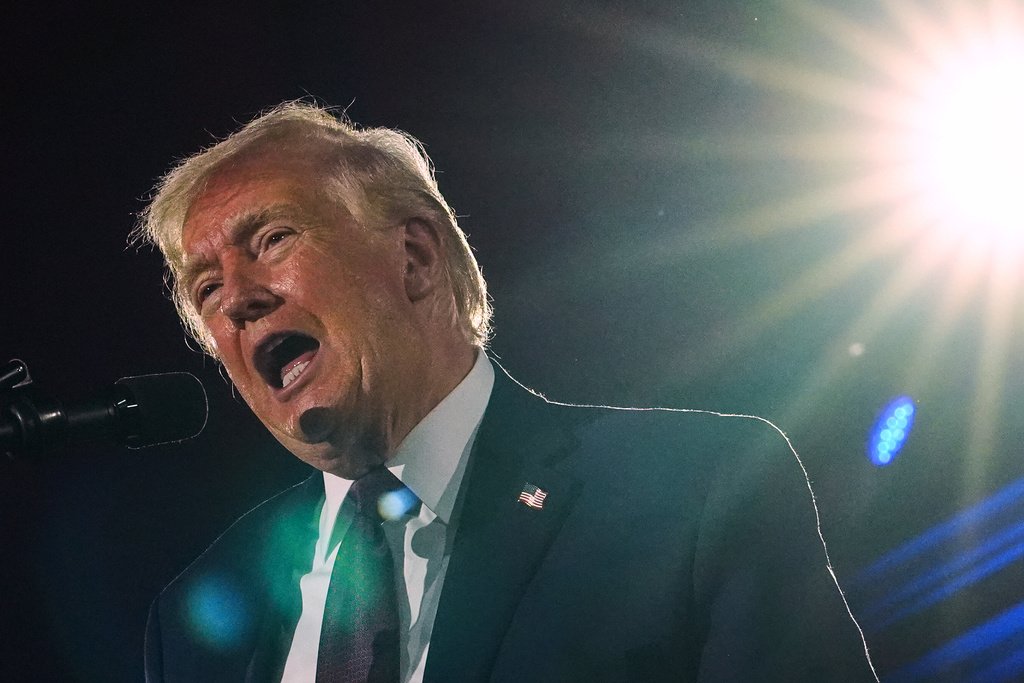
Fresh polling data reveals a significant vulnerability for President Donald Trump and his party ahead of the midterm elections, centered on economic distrust and deep-seated personal disapproval. According to a national tracking poll conducted for The Economist by YouGov, a majority of Americans lack confidence in the president's ability to manage key issues, with inflation emerging as the most prominent concern.
Economic Trust Erodes as Prices Rise
The survey asked respondents to rate their trust in Trump on more than twenty policy areas. On none did a majority express strong confidence. The economy proved particularly damaging: 54% of those polled said they do not trust Trump at all on economic matters, with only 28% reporting they trust him "a lot." This erosion of confidence comes as the administration faces scrutiny over unfulfilled promises to swiftly reduce costs. More than a year into his second term, prices for essentials like unleaded gasoline have nearly doubled, while grocery staples including ground beef and orange juice have seen sharp increases. This economic reality, coupled with the polling, suggests Republicans may struggle to capitalize on pocketbook issues as they did in the 2024 election cycle.
Personal Character Ratings Present Deeper Problem
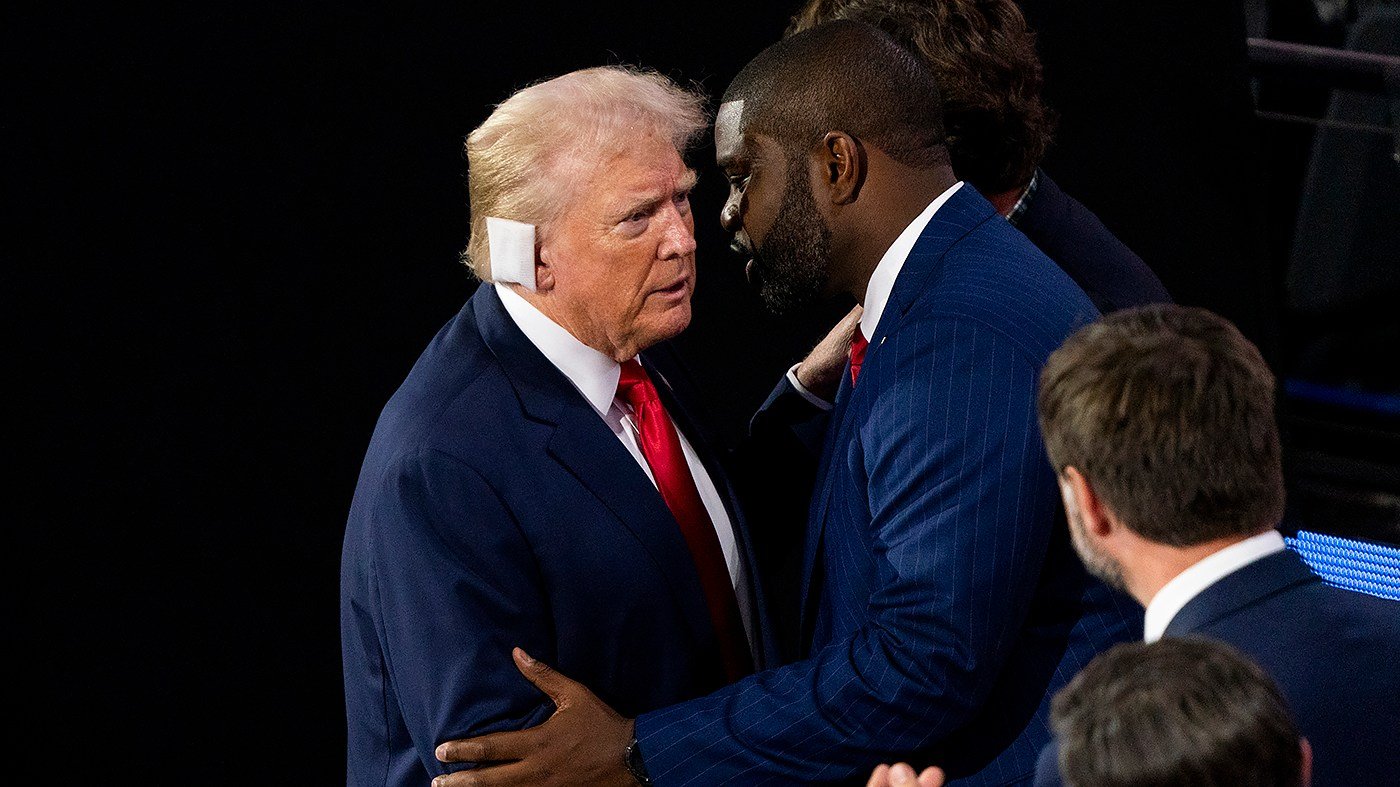
If Trump's policy ratings are weak, his personal scores are catastrophic. Two-thirds of Americans believe the term "arrogant" describes him "a lot." More critically, a majority also applied the descriptors "reckless," "dishonest," and "corrupt" to the president. While "arrogant" might be dismissed as a common presidential trait, the other labels carry heavier political weight. The perception of corruption is tied by many to the substantial wealth accumulated by the Trump family during his tenure, while "dishonest" serves as a direct indictment of his credibility. These character assessments function as a severe warning for Republican candidates on the ballot this November, who must contend with the president's shadow.
This personal disapproval is not merely abstract. It directly influences how voters evaluate candidates. While strong partisans are driven by issues, independents and weaker party affiliates are often more responsive to personality. For these crucial swing voters, a candidate's association with a figure viewed as dishonest or corrupt can be disqualifying. This dynamic was evident in the aftermath of controversies such as the costly military engagement in Iran, which contributed to a spike in disapproval ratings in other surveys.
The Democratic Challenge: Building on the Foundation
For Democratic strategists, this data provides the raw materials for a midterm message, but not the complete blueprint. The party holds a lead in generic congressional ballot surveys, yet that advantage is narrower than the scale of Trump's negative ratings. This gap indicates that simply running against the president is insufficient; voters demand a positive alternative. The Democratic task is to convert widespread anti-Trump sentiment into pro-Democratic votes by demonstrating their party's reliability and contrasting it with the administration's record.
The most potent line of attack may be on broken promises. Trump vowed to reduce prices "starting on day one" of his current term, a pledge that has visibly faltered. Democrats can frame this not just as a policy failure, but as a character issue—a pattern of dishonesty that extends from personal conduct to core economic commitments. They can then pivot to their own historical record of delivering on major legislative promises, from Social Security and Medicare to the Affordable Care Act and civil rights legislation, programs that the current administration and its congressional allies have frequently sought to undermine.
Navigating a Complex Political Environment
The political landscape is complicated by other administration struggles, including a protracted Department of Homeland Security shutdown and ongoing personnel controversies within federal agencies. These issues compound the challenge for GOP candidates seeking distance. Meanwhile, figures within the Democratic coalition, like Senator John Fetterman, have expressed confusion over sustained Republican approval despite a solid Democratic legislative record on kitchen-table issues.
Ultimately, the path for Democrats lies in constructing a two-part argument: first, highlighting Trump's profound weaknesses on both policy and character, and second, convincingly asserting their own party's competence and fidelity to its word. The polling makes clear the foundation is there. Whether Democrats can build a winning structure upon it remains the central strategic question of the midterm cycle.