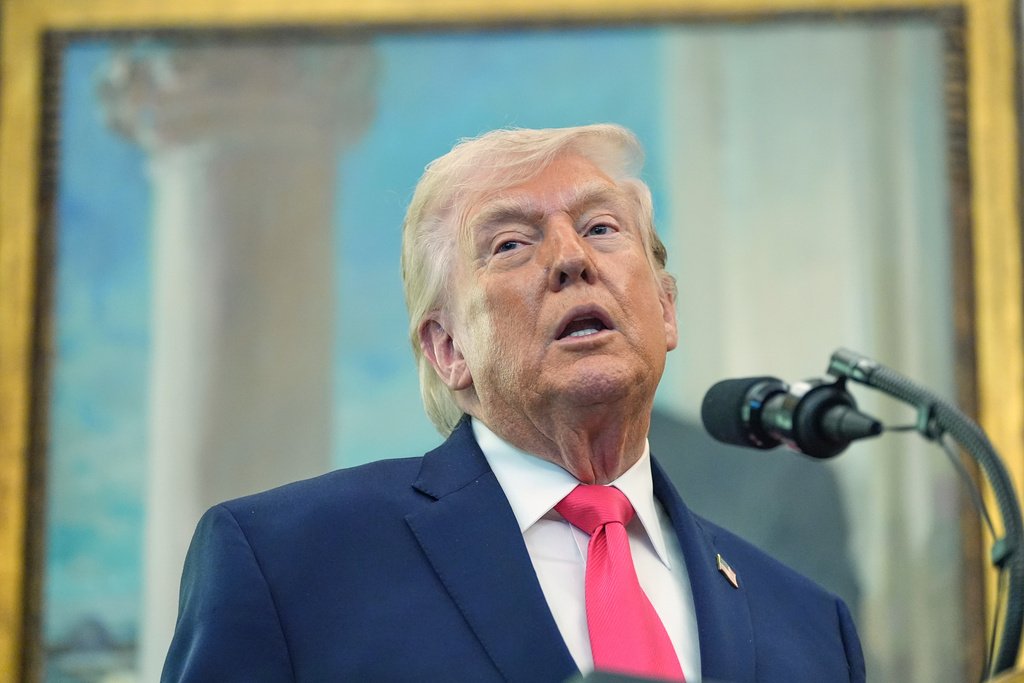
President Trump's characterization of ongoing U.S.-Israeli aerial operations against Iran as a "little excursion" has sparked sharp criticism from lawmakers and defense analysts, as the conflict enters its fourth week with mounting casualties and costs. When pressed by reporters to define the mission, Trump insisted it was "both" a war and an excursion, claiming the action would prevent a larger conflict. This semantic defense clashes with operational realities that include American fatalities, injuries, and expenditures approaching a billion dollars daily.
Shifting Rationales and Intelligence Gaps
The administration has yet to present a consistent, publicly credible rationale for initiating hostilities. Justifications have oscillated between claims of an imminent Iranian nuclear threat, objectives of regime change, demands for unconditional surrender, and a broader goal of ending state-sponsored terrorism. This inconsistency was highlighted during recent Senate Intelligence Committee hearings, where Vice Chair Mark Warner (D-Va.) stated, "There was no credible evidence of an imminent threat from Iran that would justify rushing the United States into another war of choice in the Middle East." Intelligence officials themselves showed no consensus on whether Iran had reconstituted nuclear sites destroyed last year.
Constitutional and Legislative Challenges
Operation Epic Fury faces serious questions regarding its compliance with the 1973 War Powers Resolution. While President Trump notified Congress of the attacks within the mandated 48-hour window, he has explicitly rejected the resolution's requirement to withdraw forces after 60 days without congressional authorization, joining predecessors in deeming the act an unconstitutional infringement on commander-in-chief powers. Early congressional efforts to terminate the operation failed, leaving legislative focus on the administration's anticipated request for a $200 billion supplemental appropriation. Securing the 60 votes needed in the Senate appears unlikely, with many Democrats already signaling opposition.
This legislative standoff occurs as the administration confronts multiple concurrent crises, including a protracted Homeland Security shutdown. The political calculus is further complicated by upcoming midterm elections, with neither party eager to carry the burden of an unpopular, expanding conflict. Recent polling shows record disapproval of the president, linked in part to backlash over the Iran engagement.
Strategic Uncertainties and Escalation Risks
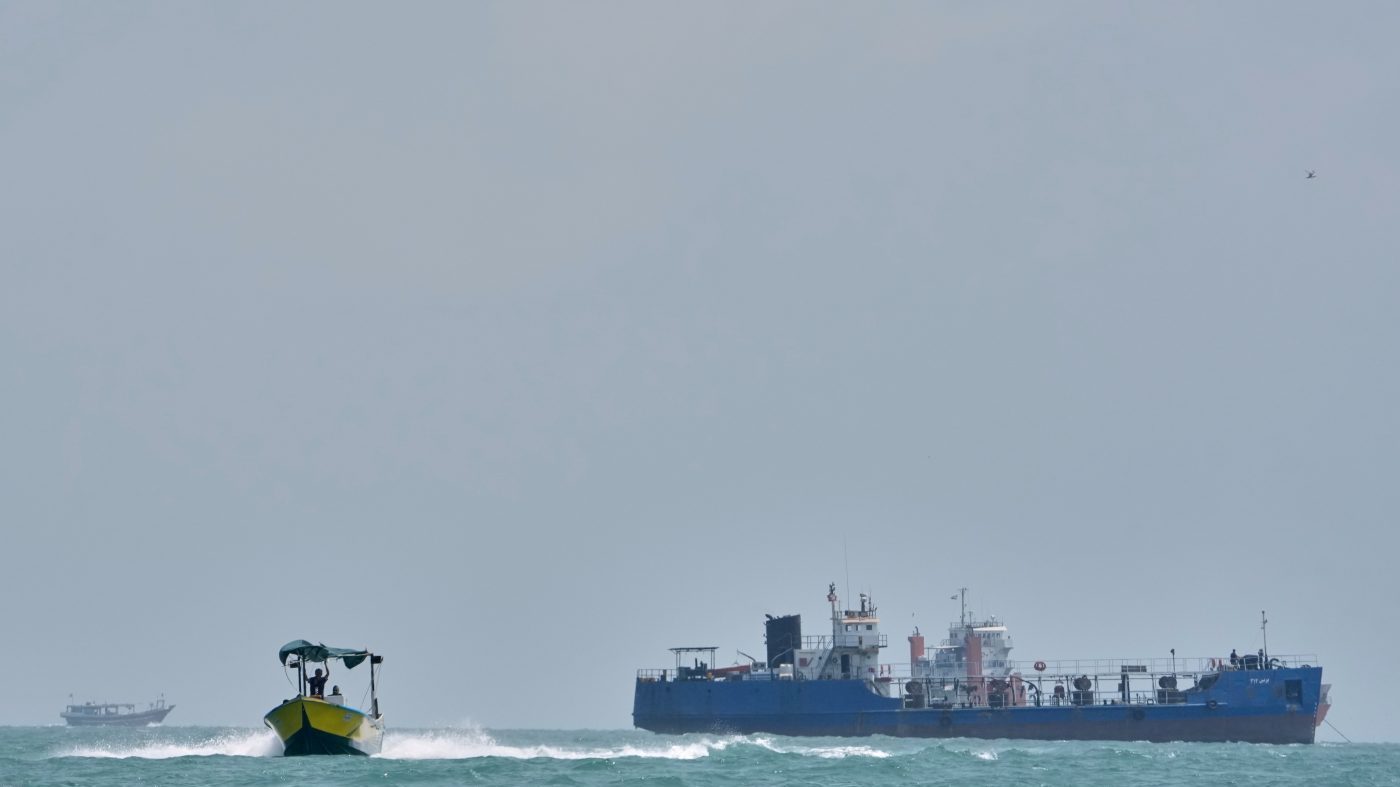
Military and strategic uncertainties abound. The administration's unclear policy on securing the Strait of Hormuz threatens to prolong the U.S. naval presence and could necessitate putting American boots on the ground at Iran's Kharg Island oil terminal—a significant escalation. Analysts warn that such limited engagements often balloon into protracted conflicts, a concern reflected in public opinion polls showing broad opposition to new long-term military commitments. These strategic ambiguities are compounded by reports that unorthodox decision-making channels are complicating coherent military planning.
The situation has prompted legislative responses aimed at curbing executive war powers. Lawmakers like Rep. Pramila Jayapal and Rep. Gregory Meeks have introduced legislation to prevent unauthorized military action against other nations, signaling growing congressional unease. Meanwhile, former defense officials have issued warnings that Iran could retaliate by seizing U.S. personnel if ground troops are deployed.
Ultimately, the debate over terminology cannot obscure the operational facts on the ground. With American lives lost, costs soaring, and strategic goals in flux, the conflict with Iran represents a substantial military engagement by any definition. As the Pentagon prepares its massive funding request and Congress weighs its constitutional responsibilities, the president's "little excursion" continues to test the limits of executive authority and the nation's appetite for another open-ended conflict in the Middle East.