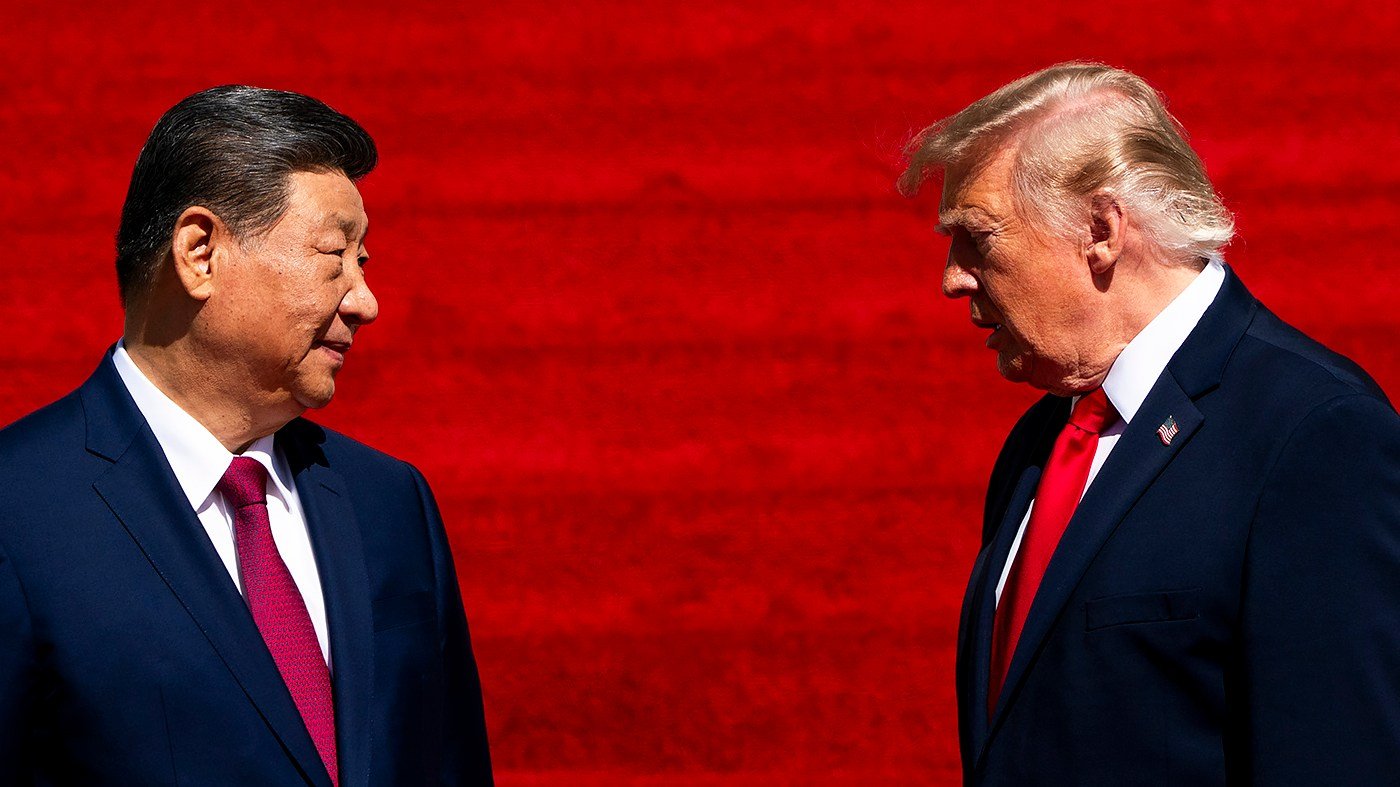
Two senior House Democrats introduced legislation on Thursday designed to prevent the executive branch from using appropriated funds for military action against Cuba without explicit Congressional authorization. The move directly challenges President Trump's recent public musings about a potential intervention on the island.
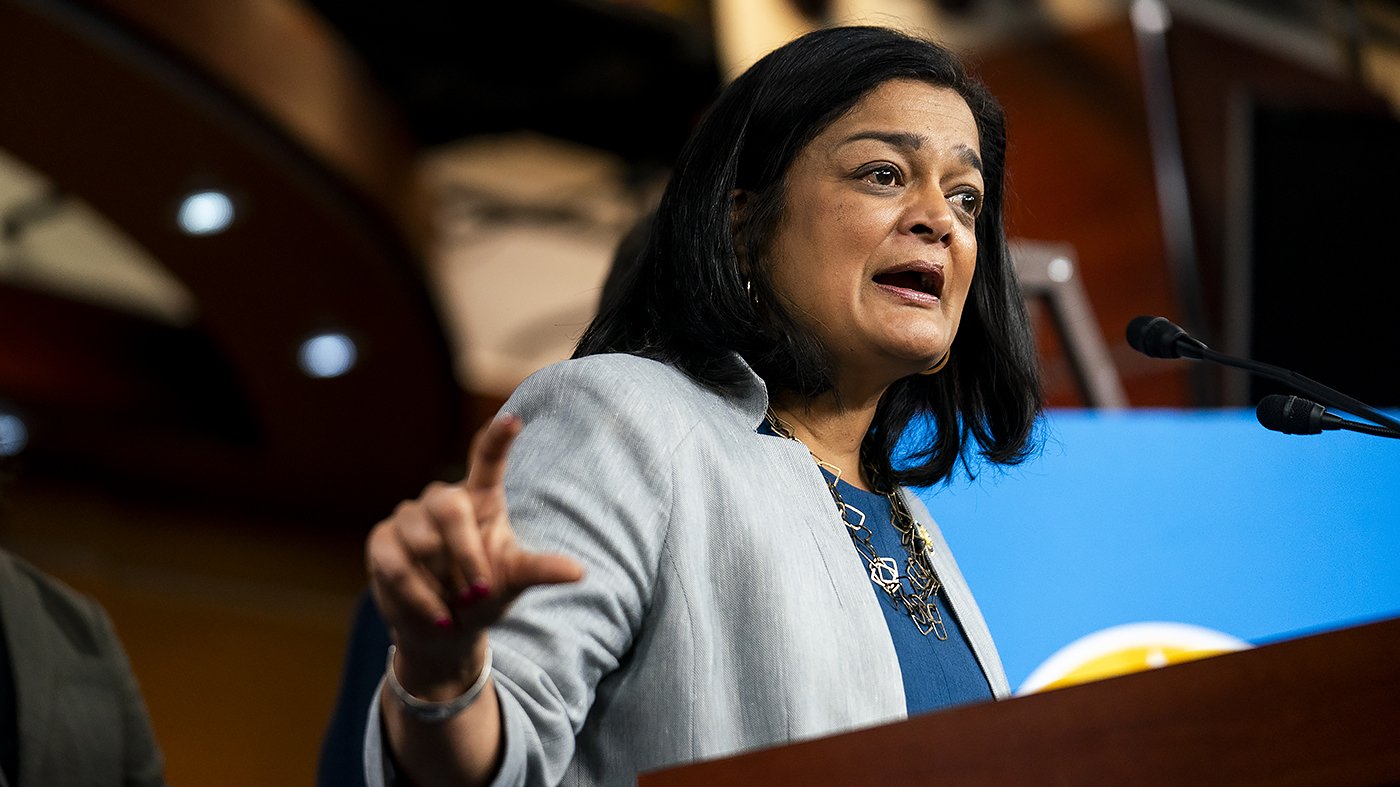
The bill, titled the "Prevent an Unconstitutional War in Cuba Act," was filed by Representative Pramila Jayapal of Washington and Representative Gregory Meeks of New York, the ranking Democrat on the House Foreign Affairs Committee. Its text explicitly bars the use of any federal funds for hostilities against Cuba unless Congress has declared war or authorized the use of military force, with a narrow exception for an imminent threat requiring immediate defensive action.
A Coordinated Legislative Pushback
This bill represents the latest in a series of legislative maneuvers by Democratic lawmakers to constrain the administration's foreign policy. Earlier this month, a group of Senate Democrats introduced a privileged War Powers Resolution aimed at blocking unauthorized military action against Cuba, a measure that would force a floor vote. A similar resolution was introduced in the House this week.
While the Jayapal-Meeks appropriations bill faces a steep climb in the Republican-controlled House, its sponsors view it as a critical statement of principle. "Congress alone has the power to declare war, something Trump clearly does not respect," Jayapal said in a statement. "He has no plan to improve conditions for the Cuban people or promote democracy, and we must pass this legislation to block him from acting on a whim." She accused the President of having "started illegal regime change conflicts in Venezuela and Iran and is now threatening Cuba."
Administration Signals and Cuban Response
President Trump has publicly speculated about having the "honor" to "take" or free Cuba, while also stating a desire to conclude matters with Iran first. Senior Pentagon official Joseph Humire recently told an audience in Miami that while the White House is focused on diplomacy, the Defense Department "stand[s] by ready to support."
In response, Cuban Foreign Minister Carlos Fernández de Cossío stated on Sunday that the country's military is preparing for the "possibility" of aggression from the Trump administration. Representative Meeks framed the issue in stark terms: "Cuba is not for Donald Trump to take, and today we stand firm against the illegal use of the U.S. military to pursue turning Cuba into another playground for Trump's chaotic adventurism." He argued that "lasting change must come through empowering the Cuban people, not doubling down on a failed approach."
Broader Context of Pressure Campaign
The legislative effort unfolds against a backdrop of escalating pressure on Havana. Secretary of State Marco Rubio, whom Trump has tasked with leading talks, said earlier this month that Cuba "has to change dramatically," citing its failing economy and political system. The administration has imposed a fuel blockade and pressured regional nations to expel Cuban medical professionals, a key revenue source for the government.
Simultaneously, the Department of Justice is reportedly drafting indictments against Cuban officials, raising the specter of a Venezuela-style operation to seize individuals. This follows the administration's operation in January to capture Venezuela's President Nicolás Maduro based on U.S. drug charges. Hardline Republican lawmakers have openly encouraged the overthrow of the Cuban government as it grapples with a severe humanitarian crisis exacerbated by U.S. sanctions.
The dynamic underscores a deepening political divide over foreign intervention, mirroring debates on other fronts like Iran policy. While the Jayapal-Meeks bill is unlikely to become law in the current Congress, it establishes a clear Democratic position against military escalation and seeks to reassert legislative authority over war powers ahead of a contentious election season.