Republican Representative Nancy Mace of South Carolina issued a stark public warning on Wednesday, calling for former President Donald Trump to exclude Senator Lindsey Graham from high-level deliberations on the escalating conflict with Iran. Mace criticized her fellow South Carolina Republican's advocacy for aggressive military action, including seizing Iranian oil infrastructure, as dangerously reckless.
Direct Appeal to Trump
In an interview with CNN, Mace made her position clear: "I want President Trump to take Lindsey Graham out of the Situation Room." Her remarks represent a significant intra-party rift over foreign policy, highlighting growing divisions within the GOP about the appropriate American response to Iranian provocations. This public distancing from a senior senator underscores the contentious debate over military intervention.
Graham's Call for Escalation
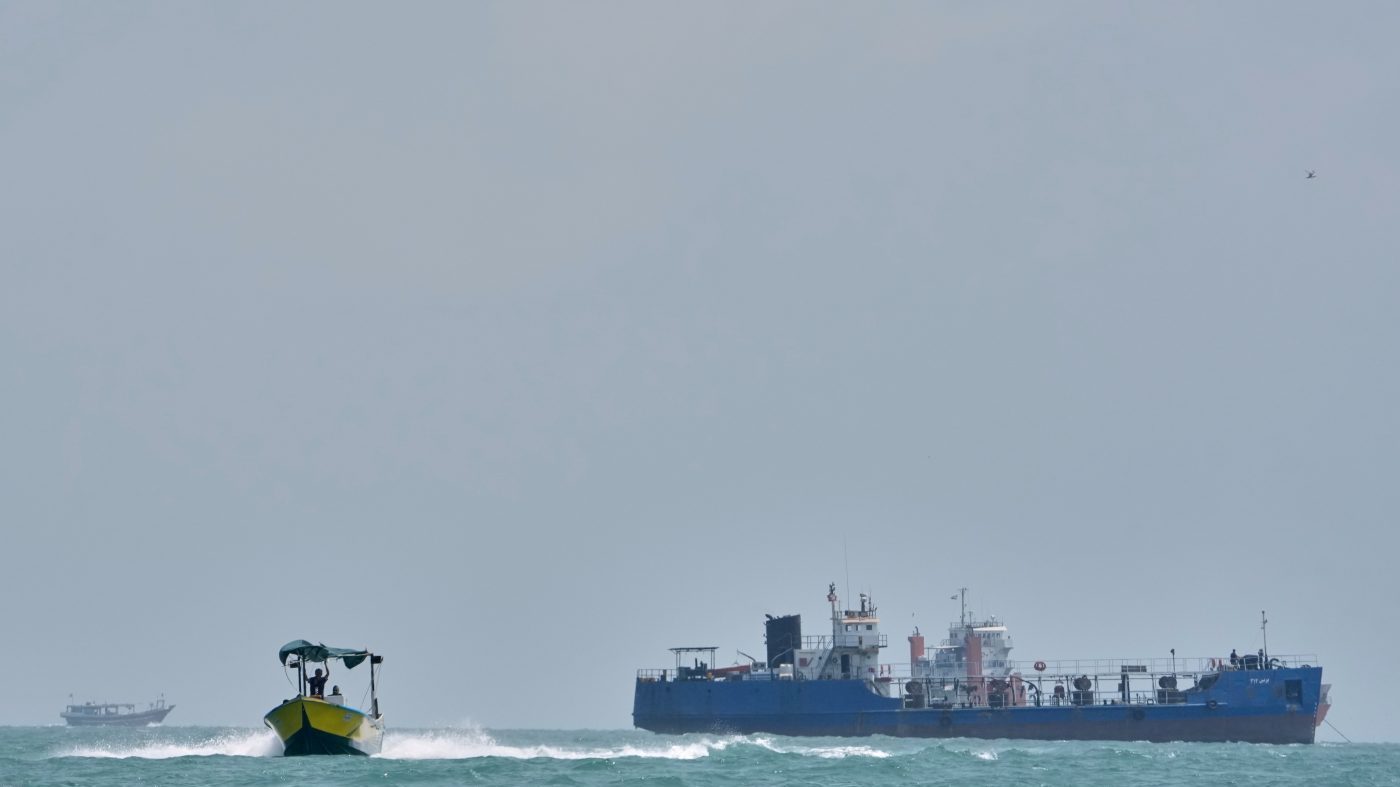
The congresswoman's plea follows Graham's recent public statements urging a more forceful approach. On Fox News, the senator renewed his long-standing call for expanded military intervention, specifically proposing that the U.S. seize control of Kharg Island, Iran's primary oil export terminal in the Persian Gulf. "Here's what I tell President Trump: Keep it up for few more weeks, take Kharg Island where all of the resources they have to produce oil, control that island, let this regime die on a vine," Graham stated.
Mace forcefully challenged this strategy, arguing Graham has not "thought through or war gamed the consequences" of such an operation, which military analysts suggest would likely require a substantial ground troop deployment. She questioned whether he had considered retaliatory actions from Iranian proxies like the Houthis or Hezbollah, or the potential for further economic disruption from Tehran's response.
Condemning the 'War Machine'
In her critique, Mace condemned what she labeled as Washington's "war machine" and singled out Graham's "hubris." She expressed particular outrage over his recent remarks asking South Carolina parents to "send their sons and daughters" to the Middle East. "I take that as a guy that is going back to my home state of South Carolina telling mothers and fathers to send their children into war to take an island over oil, and I am vehemently opposed to that," she said.
Graham appeared to temper his rhetoric slightly on Wednesday, posting on social media that he would prefer a diplomatic solution "because war literally is hell." However, this statement follows years of consistent advocacy for a hardline stance against Iran, a position that now faces mounting criticism from within his own party as military engagements incur significant financial and political costs.
Broader Congressional Skepticism
Mace's objections extend beyond Graham's counsel. She has also expressed deep skepticism about a $200 billion supplemental Pentagon funding request related to the conflict, citing a "deeply troubling" discrepancy between public justifications for U.S. military operations and the objectives privately briefed to lawmakers. "The longer this war continues, the faster it will lose the support of Congress and the American people," she warned following a House Armed Services Committee briefing.
She is not alone in her concerns. Representative Kat Cammack, a Florida Republican, also called for limiting Graham's access to Trump as the Middle East crisis continues. This growing congressional unease occurs as the administration and Tehran exchange proposals to de-escalate the situation, and as public disapproval of the administration's handling of the conflict reaches new heights.
The public clash between two prominent South Carolina Republicans reveals a fundamental strategic divide. On one side sits Graham's advocacy for decisive military action to cripple the Iranian economy. On the other is Mace's caution against open-ended escalation, reflecting broader war-weariness and concern over being drawn into another protracted Middle Eastern conflict. This debate unfolds as the White House manages multiple simultaneous domestic and international crises.