Diplomatic efforts to establish a ceasefire in the ongoing Middle East conflict have effectively collapsed, with Washington and Tehran publicly hardening their positions and rejecting each other's proposed peace frameworks. The stalemate comes amid continued military deployments and a fresh exchange of strikes between Iran and Israel.
Trump Accuses Iran of 'Begging' While Rejecting Dialogue
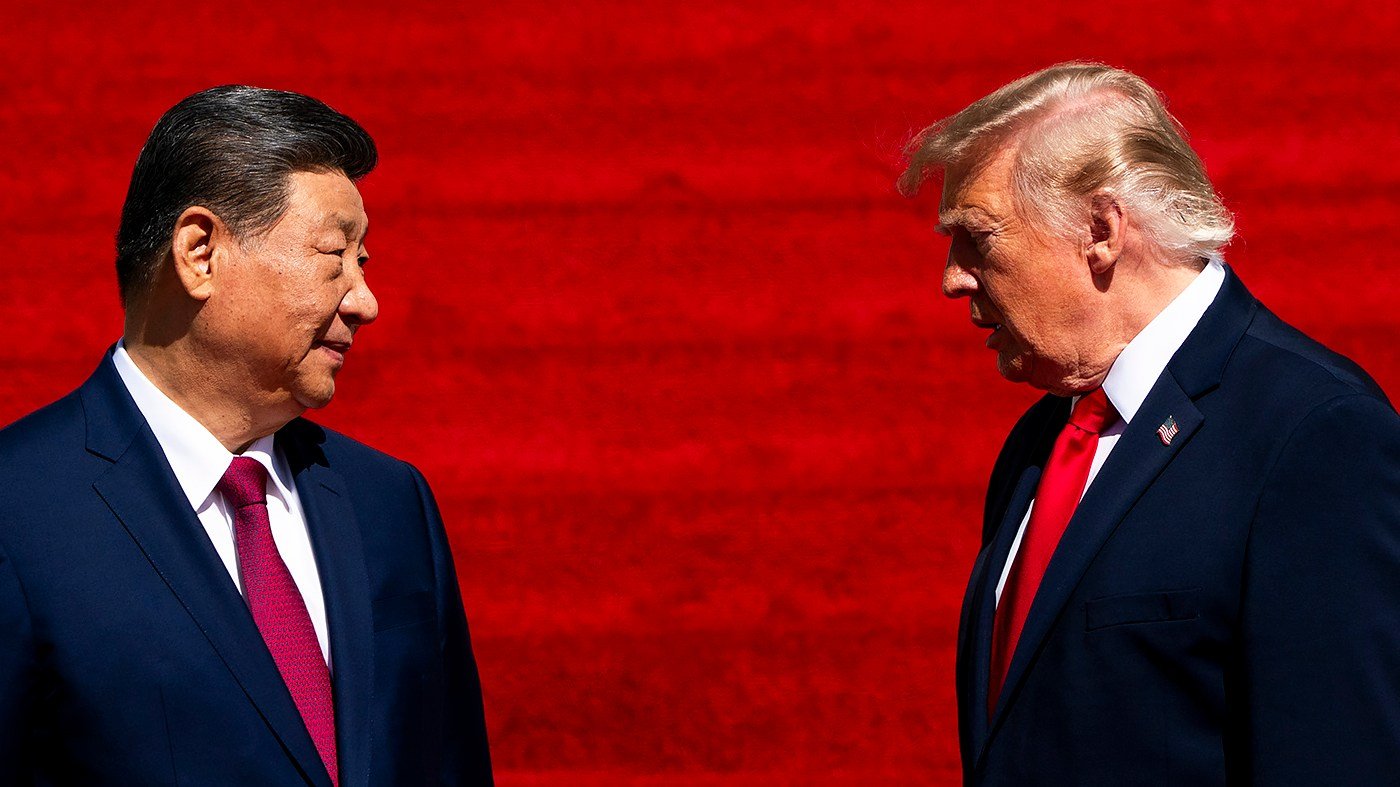
President Donald Trump escalated rhetorical tensions early Thursday, claiming on his Truth Social platform that Iranian negotiators were "begging" for a deal while simultaneously presenting a contradictory public stance. "They are 'begging' us to make a deal, which they should be doing since they have been militarily obliterated, with zero chance of a comeback, and yet they publicly state that they are only 'looking at our proposal,'" Trump wrote. He warned Iran to "get serious soon, before it is too late," adding that the consequences "won't be pretty." The administration has not disclosed which Iranian officials it is engaging with, if any.
Dueling Peace Plans Reveal Unbridgeable Gaps
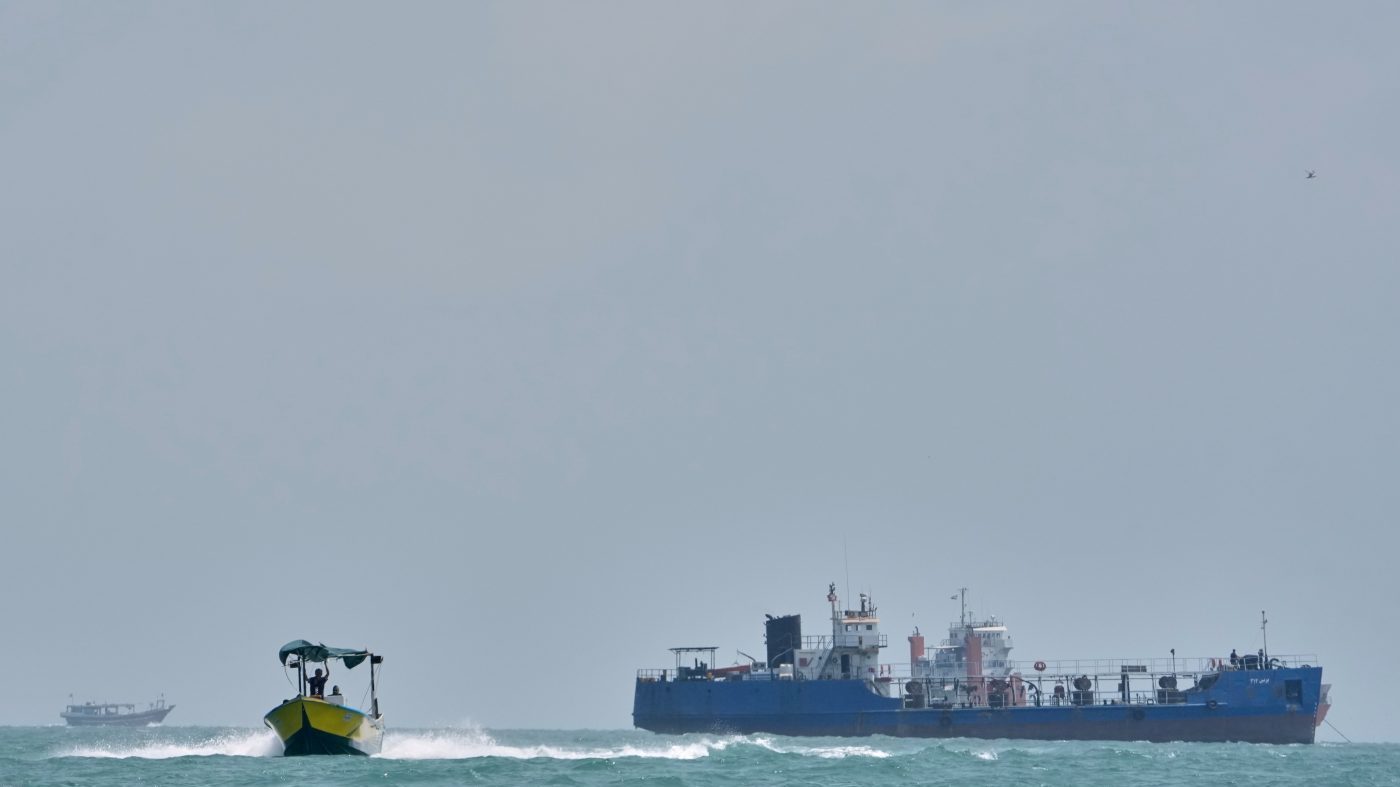
The diplomatic deadlock centers on two mutually exclusive proposals. The Trump administration's 15-point plan, details of which were conveyed by Pakistani officials to The Associated Press, demands Iran roll back its nuclear program, reopen the strategic Strait of Hormuz—a closure that has triggered soaring global energy prices—and offers sanctions relief in return.
In response, Tehran submitted its own plan, which calls for an immediate end to all U.S. hostilities, reparations for damages sustained since joint U.S.-Israeli strikes began on February 28, a halt to the targeting of Iranian officials, and formal Iranian control over the Strait of Hormuz. The Iranian proposal, as reported earlier, complicates the White House's search for an exit strategy from the escalating conflict.
Iran Denies Formal Negotiations Are Underway
Iranian Foreign Minister Abbas Araghchi explicitly denied that formal talks with the United States are occurring. In statements carried by Iranian state media, Araghchi said Tehran is reviewing the U.S. plan but has "no plans to negotiate an end to the conflict." He characterized current communications as messages passed through intermediaries, stating, "messages being conveyed through our friendly countries and us responding by stating our positions or issuing the necessary warnings is not called negotiation or dialogue." This position underscores the profound lack of direct diplomatic engagement, a situation that has left ceasefire efforts in a state of paralysis.
Military Buildup and Strikes Continue Unabated
Despite the diplomatic overtures and Trump's assertion last week that the conflict was "winding down," military activity has intensified. The United States has dispatched additional naval assets to the region in recent days, carrying approximately 2,500 Marines. An additional 2,000 paratroopers from the 82nd Airborne Division have also been deployed, signaling a significant reinforcement.
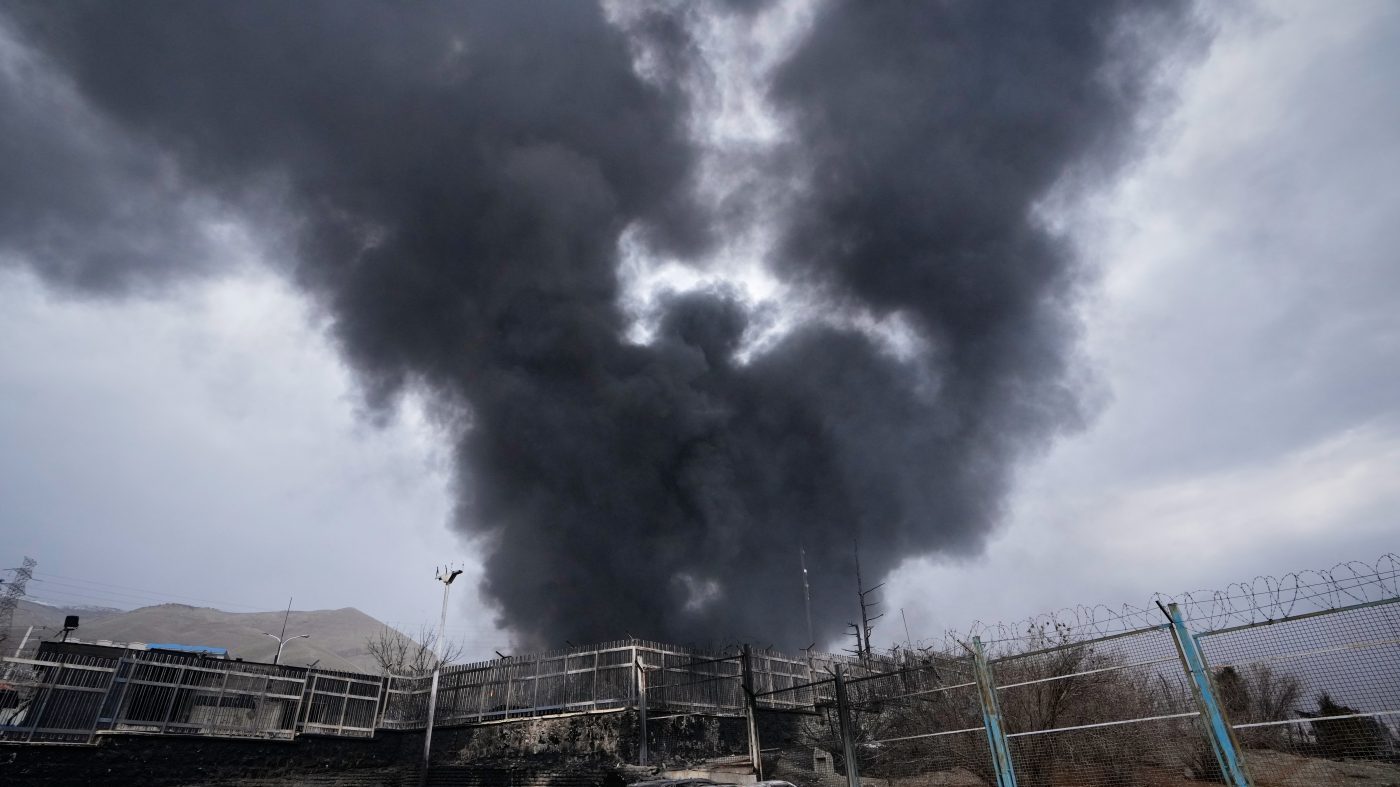
On the ground, violence continued Thursday with Israel conducting a new round of strikes audible in Tehran, according to AP reports. Iran retaliated, triggering sirens in Tel Aviv and causing explosions in Jerusalem. Iranian forces also launched attacks against the United Arab Emirates, Bahrain, and Saudi Arabia. In Abu Dhabi, shrapnel from an intercepted missile killed two people, while Saudi defenses reported downing several drones.
Strategic and Humanitarian Costs Mount
The closure of the Strait of Hormuz, a critical global oil chokepoint, remains a central point of contention with direct consequences for worldwide energy markets and economies. The Iranian strikes on Gulf states mark a dangerous expansion of the conflict's geographic scope, directly threatening U.S. allies and regional stability. The civilian casualties in Abu Dhabi highlight the growing human cost of the hostilities.
The current impasse reveals the fundamental strategic disagreements between the two nations, with the U.S. demanding capitulation on nuclear and maritime issues while Iran insists on compensation and security guarantees. As both sides dig in, the window for a negotiated off-ramp appears to be closing rapidly, setting the stage for a potentially broader and more destructive phase of conflict. This unfolding crisis continues to expose significant strategic and operational challenges for all involved parties.