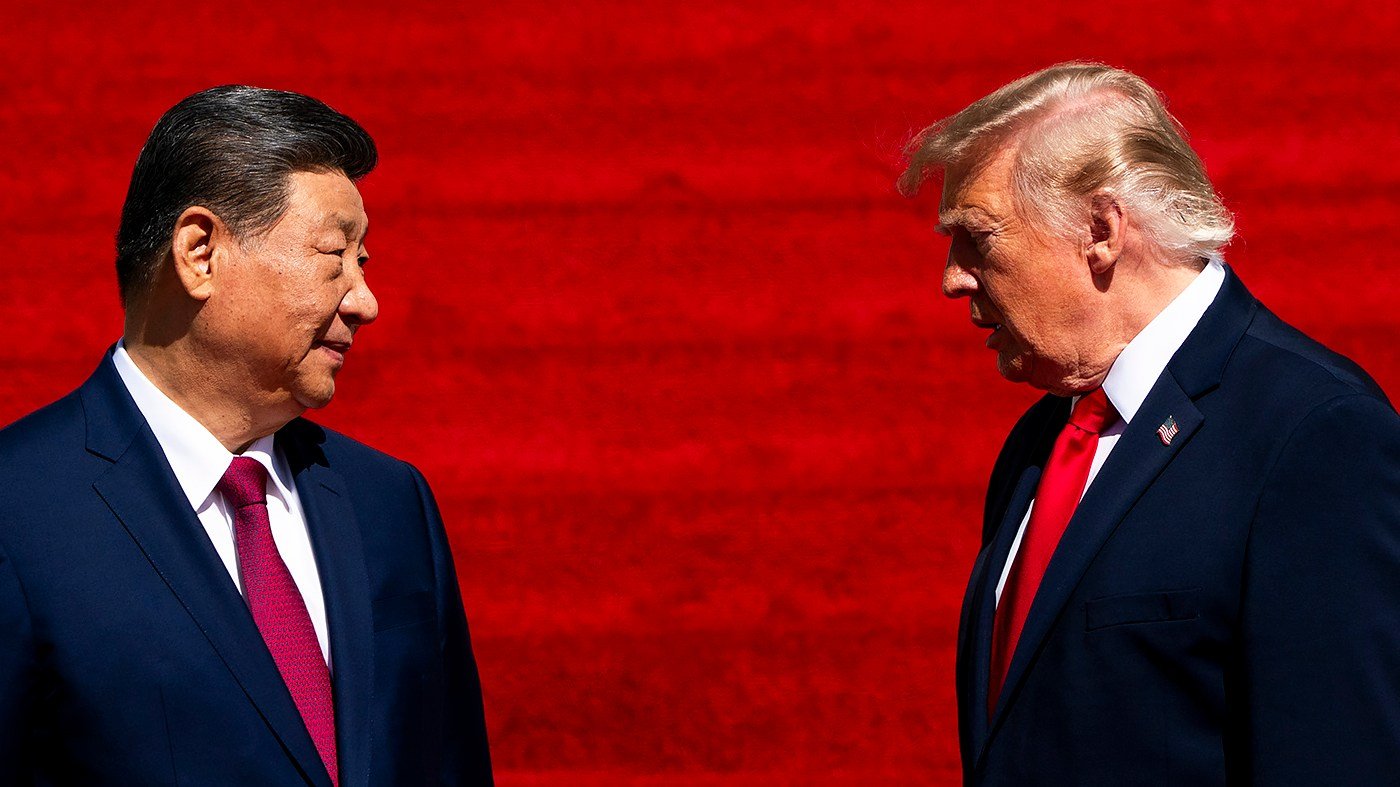
The Trump administration has formally presented Iran with a detailed 15-point proposal aimed at ending the ongoing military conflict, only to have it immediately and publicly dismissed by Tehran. As the war approaches its one-month mark, both sides have laid out starkly opposing visions for a settlement, with no direct talks currently scheduled.
Divergent Proposals, Distant Prospects
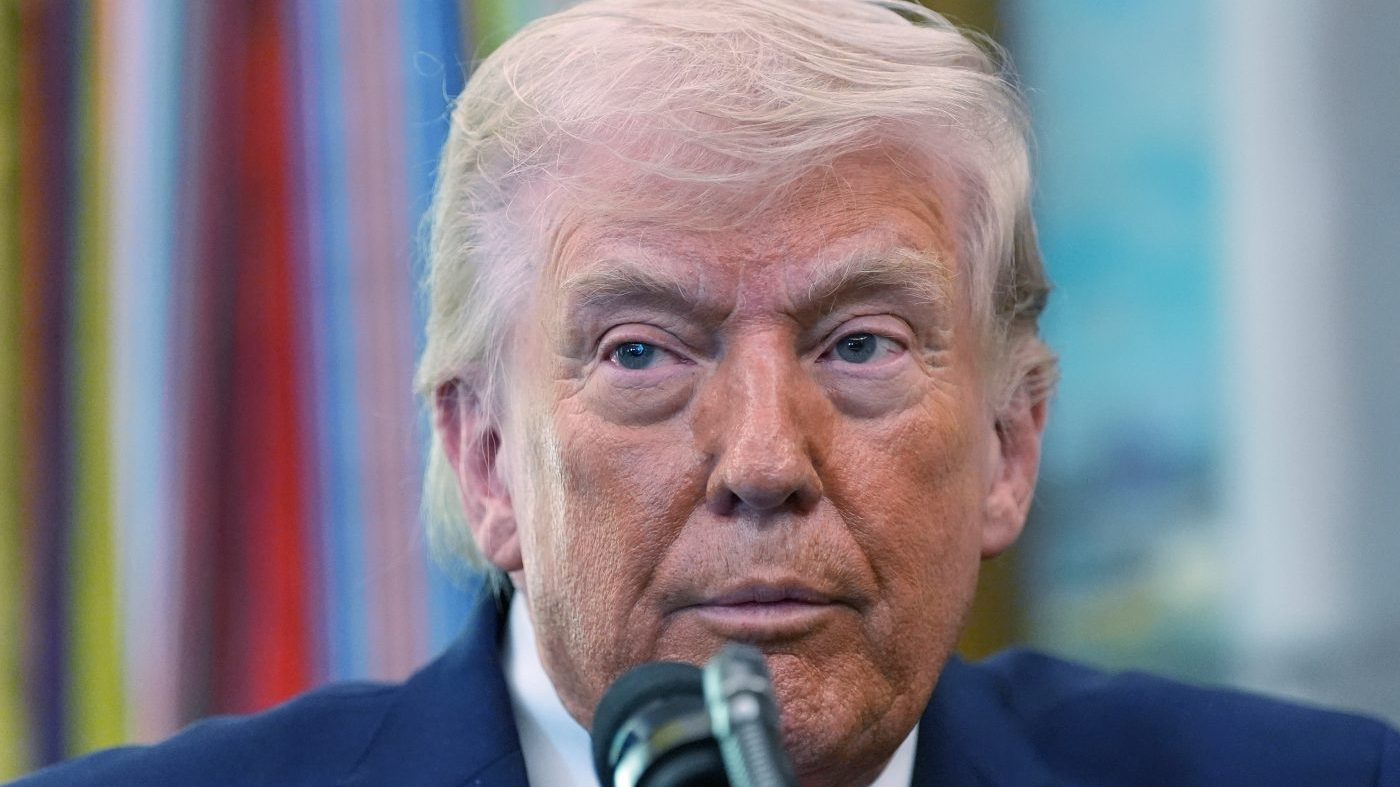
According to reports, the U.S. plan, delivered on Tuesday, addresses core points of contention including Iran's ballistic missile and nuclear programs, potential sanctions relief, and the status of the strategically vital Strait of Hormuz. President Trump, speaking at an Oval Office event, stated negotiations were underway, led by special envoy Steve Witkoff and involving Vice President JD Vance, Secretary of State Marco Rubio, and senior advisor Jared Kushner. "I can tell you they'd like to make a deal," Trump remarked.
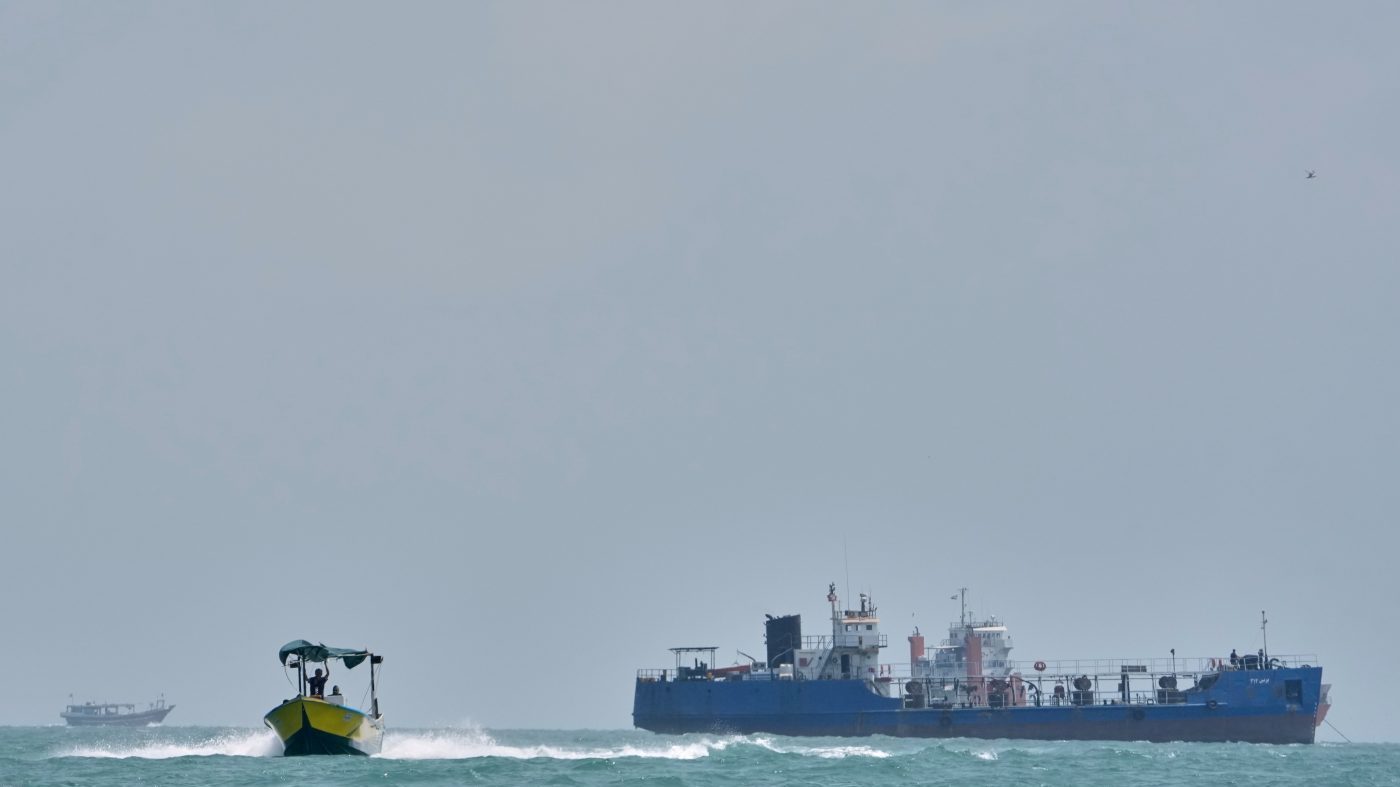
Iran's response, issued Wednesday via its embassy in India, was a firm rebuff. Its counter-proposal demands a complete cessation of hostilities, financial reparations, a region-wide ceasefire, and Iranian sovereignty over the Strait of Hormuz—a chokepoint for global oil shipments that has seen traffic severely restricted since U.S.-Israeli strikes began on February 28. An Iranian official, quoted by state media, declared, "Iran will end the war when it decides to do so and when its own conditions are met." Tehran labeled the U.S. ceasefire idea "a deception aimed at escalating tensions."
Diplomatic Deadlock and Military Posture
The exchange reveals the two sides at opposite extremes, with Iran asserting its right to self-defense and the U.S. unlikely to concede control of the Strait. The public rejection also contradicts Trump's optimistic characterization of "very good and productive" negotiations. Mohammad Bagher Ghalibaf, Speaker of Iran's Parliament, accused the U.S. of spreading "fake news" to manipulate financial markets and obscure a worsening military situation.
Despite the diplomatic stalemate, military actions continue. Iran has sustained attacks against Israel and Gulf states, while U.S. and Israeli forces continue strikes within Iran. In a significant force movement, approximately 2,000 troops from the U.S. Army's 82nd Airborne Division are slated for deployment to the Middle East in the coming days. This comes as the White House prepares to brief on its rejected ceasefire plan, underscoring the administration's need to clarify its strategy.
Third-party mediation efforts have so far failed to bridge the gap. Pakistani Prime Minister Shehbaz Sharif publicly offered to host talks, stating his country "stands ready and honoured to be the host to facilitate meaningful and conclusive talks." However, with the proposals so far apart, the likelihood of either being adopted without major concessions appears minimal. The deadlock highlights a fundamental strategic disconnect, reminiscent of warnings from former officials like John Bolton, who has criticized the administration's strategic drift on Iran.
Conflicting Narratives and Market Pressures
The war's economic ramifications are being felt globally, particularly in energy markets. The administration has taken steps to mitigate domestic fuel price pressures, including a recent move by the EPA to lift summer restrictions on E15 fuel amid Iran-driven price spikes. Meanwhile, the president has offered a triumphant assessment at odds with the ongoing conflict, declaring Tuesday, "This war has been won." Defense Secretary Pete Hegseth, standing beside him, offered a more measured view, indicating operations would continue over Iranian airspace.
The public clash over diplomacy and the continued military buildup suggest a prolonged conflict. With Iran insisting on terms the U.S. finds unacceptable, and Washington's own plan dismissed out of hand, the path to negotiations remains blocked. The coming deployment of American paratroopers signals a preparation for intensified operations, even as the search for a diplomatic off-ramp—however faint—continues.