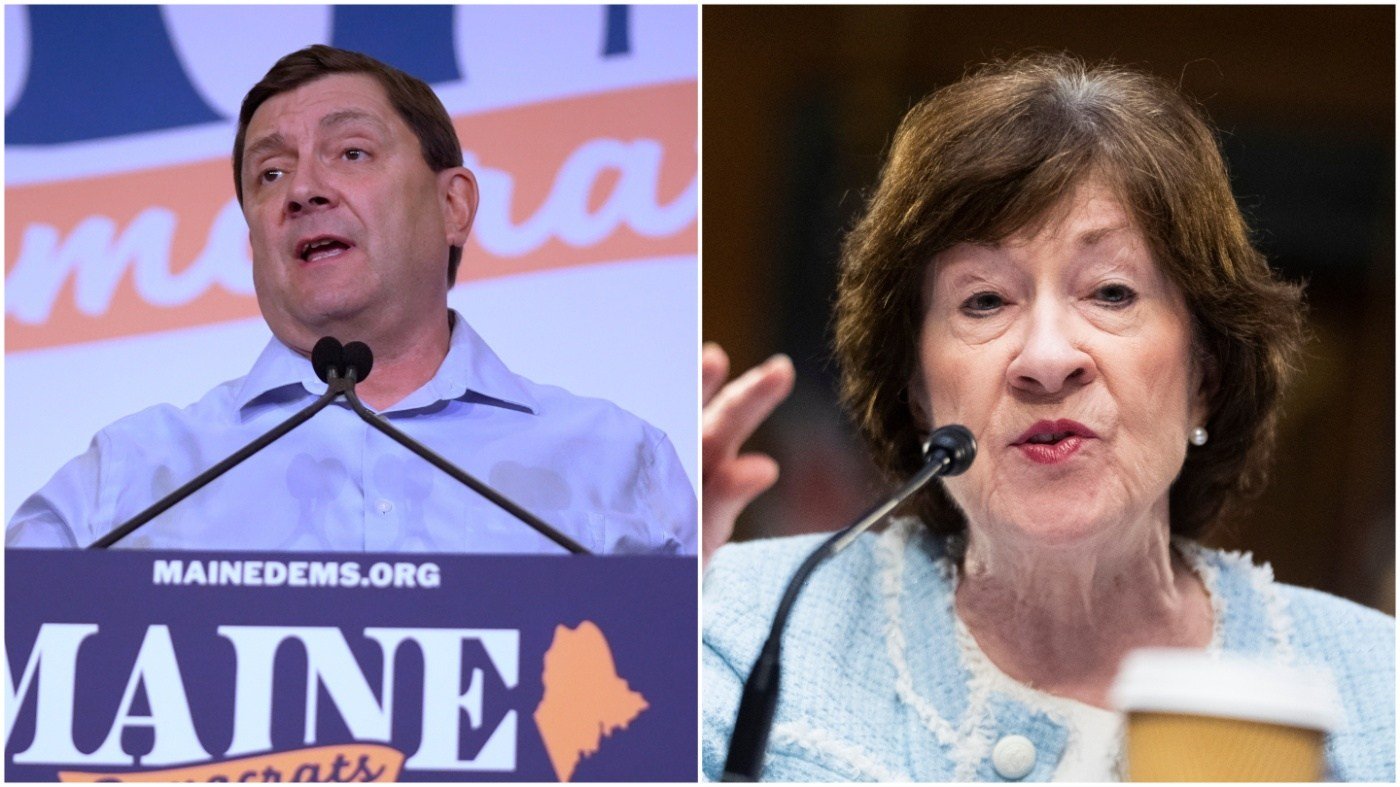
The Democratic National Committee released its long-awaited postmortem of the 2024 election on Thursday, a nearly 200-page document that was initially intended to remain private to avoid infighting during the midterm cycle. Chair Ken Martin faced mounting criticism for reversing his earlier promise to make the report public, ultimately bowing to pressure and releasing a version riddled with incomplete sections and annotations.
Martin had argued in December that keeping the autopsy under wraps was strategic, asking, “Does this help us win?” He now concedes that effort backfired. “It ended up creating an even bigger distraction,” he said Thursday, while insisting the report “wasn’t ready for primetime” but that “transparency is paramount.” The release did little to calm Democratic frustration; one donor called the episode “pathetic all the way around,” while others, like former Harris communications adviser Jamal Simmons, defended it as productive, noting that “the first draft asks some tough questions.”
Bleak Assessment of Party Decline
The autopsy offers a stark picture of Democratic erosion since President Obama’s 2008 victory. It notes that from 2009 to 2025, Republicans gained 13 Senate seats, 41 House seats, five governorships, and over 800 state legislative seats. Thirteen states now have unified GOP control. “This trend needs to be reversed,” the report states, calling for a 10-year strategic plan to rebuild the party’s foundation.
Blame on Biden and the White House
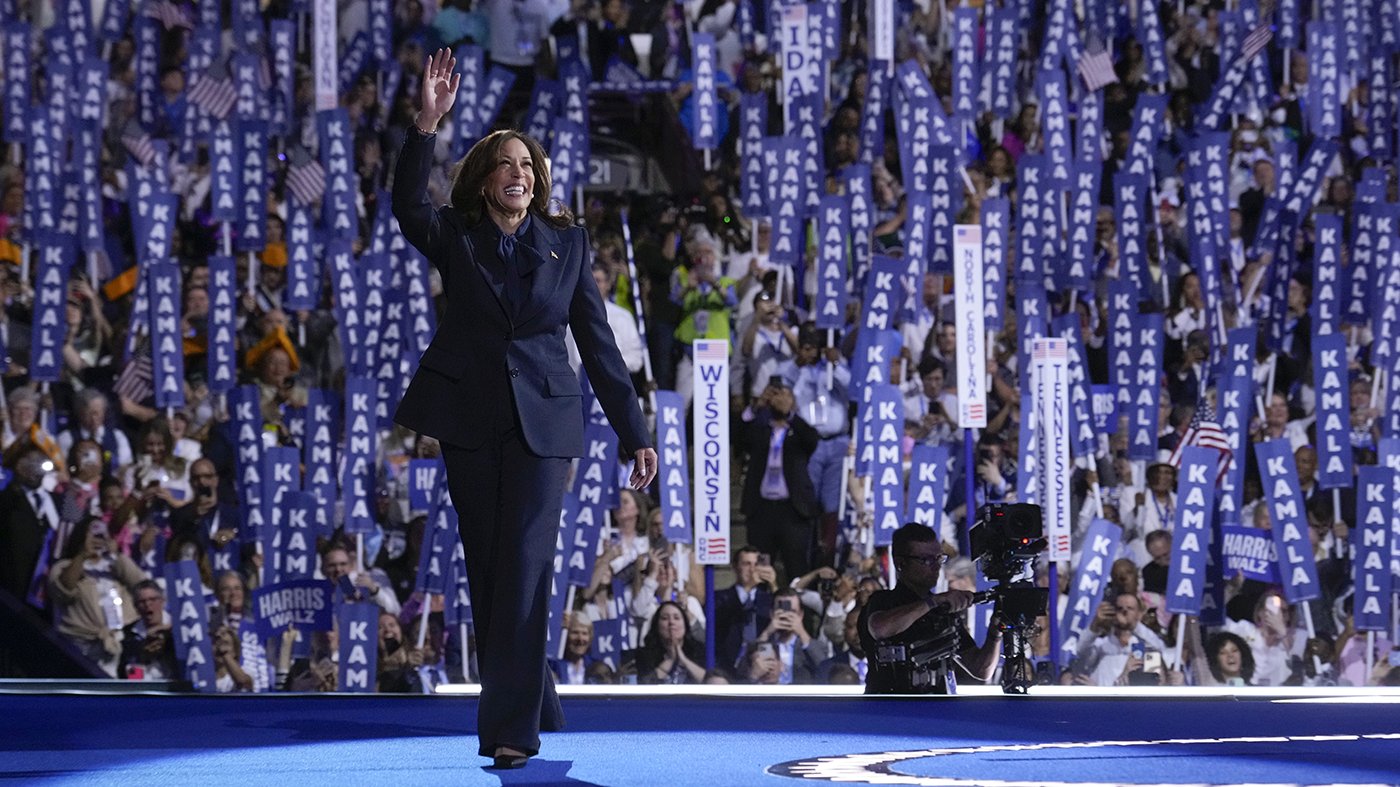
The report is scathing toward former President Biden and his team, asserting that “the White House did not position or prepare the Vice President” for the 2024 race. It suggests that earlier efforts to leverage Kamala Harris could have bolstered both Biden’s standing and her readiness to lead the ticket. This critique aligns with the broader DNC autopsy’s focus on Biden’s team failures.
Overreliance on Anti-Trump Messaging
A key finding is that Democrats focused too heavily on opposing Trump rather than offering a positive vision. The report cites New Hampshire’s gubernatorial race, where Democrat Joyce Craig underperformed Harris, arguing her campaign “never established what Craig stood for beyond ‘not Ayotte/Trump.’” Similarly, Washington Governor Bob Ferguson’s underperformance in Seattle is attributed to overreliance on anti-Trump sentiment. The report warns that Harris’s win in New Hampshire “may be more an anti-Trump than pro-Harris outcome.”
The document’s release follows a contentious period for Martin, who had faced backlash for his reversal. The flawed report—with incomplete sections and contested annotations—has only deepened internal divisions. As the party looks toward the midterms, the autopsy underscores the challenge of rebuilding trust and crafting a compelling message beyond opposition.
For context on how other political dynamics are shaping the landscape, see Trump’s endorsement in Texas sparking Democratic optimism and Bottoms securing the Georgia gubernatorial nomination.