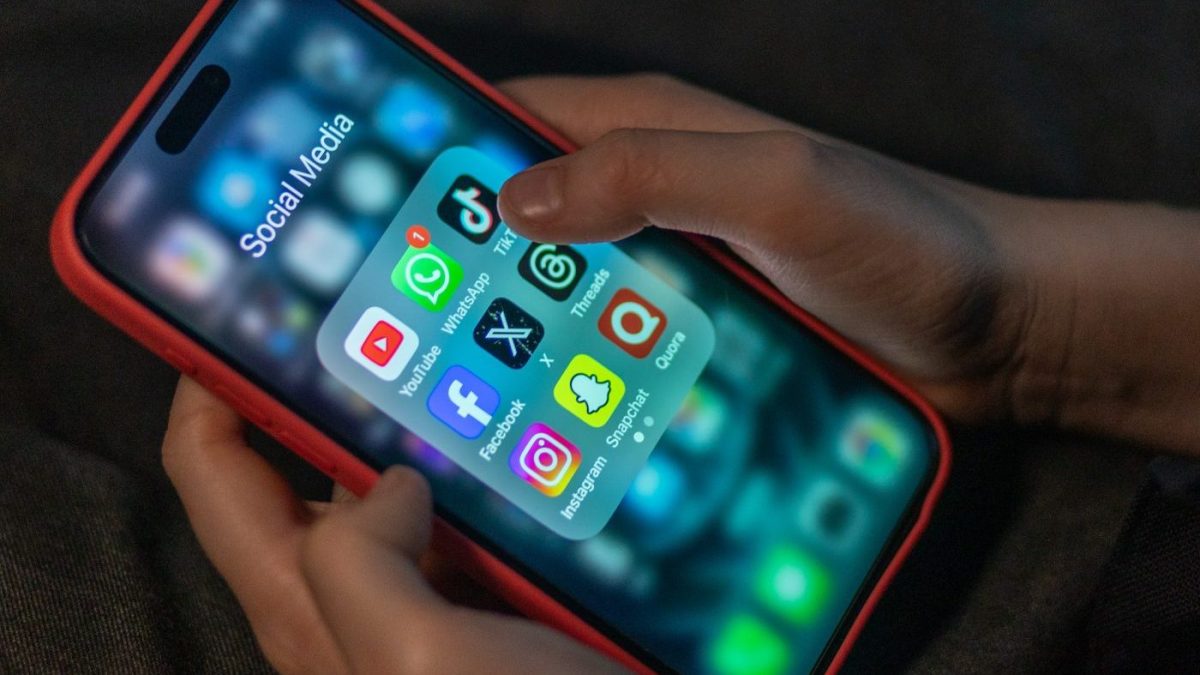
The Department of Health and Human Services (HHS) released a stark new warning on Wednesday about the risks of screen time for children, urging parents and schools to adopt strict limits to protect sleep and mental health. The report, titled the Surgeon General's Warning on the Harms of Screen Use, marks the federal government's most direct intervention yet in the growing debate over kids' digital habits.
According to the HHS report, screen exposure often begins before a child's first birthday and escalates rapidly. By adolescence, many children spend more time on screens than they do sleeping or attending school. The report calls this trend a public health concern and offers concrete guidance for families and educators.

Age-Based Screen Time Recommendations
The report recommends zero screen time for children under 18 months, with the only exception being video calls with family members. For children under 6, the suggested limit is less than one hour per day. For those aged 6 and older, the report advises capping recreational screen time at two hours per day. These guidelines align with but are slightly stricter than those from the American Academy of Child and Adolescent Psychiatry (AACAP).
The AACAP, which last year reported that U.S. children aged 8 to 18 average seven and a half hours of daily screen use, offers a more nuanced approach. It allows children under 2 to watch educational programming and suggests non-educational screen time for ages 2 to 5 be limited to one hour on weekdays and three on weekends. For older kids, the AACAP recommends encouraging healthy habits rather than imposing rigid time caps.
Warning Signs and the '5 Ds' Strategy
The HHS report lists several warning signs that screen use has become harmful, including using screens to feel better, becoming upset when screen time ends, emotional withdrawal when screens are unavailable, and avoiding in-person interactions. To combat these issues, the report introduces the '5 Ds' framework: discuss, do, delay, divert, and disconnect. Parents are urged to talk openly about healthy screen use, model good behavior, delay screen introduction, redirect children to other activities, and set screen-free family times.
Schools are also taking action. Districts across the country have implemented cellphone bans, and an Oklahoma school district recently moved to largely eliminate Chromebooks in classrooms. Several states have passed laws restricting social media access for teenagers, reflecting a broader pushback against unregulated screen time.
Expert Perspectives on Screen Time
Not all experts view screen time as inherently harmful. Dr. John Torous, director of digital psychiatry at Beth Israel Deaconess Medical Center, described the relationship as complex, noting potential benefits like online friendships. Dr. Courtney Blackwell, an associate professor at Northwestern University Feinberg School of Medicine, told CNN that research does not definitively suggest screen time causes harm by itself. She advised parents not to panic.
Ariana Hoet, executive clinical director of The Kids Mental Health Foundation and a pediatric psychologist at Nationwide Children's Hospital, emphasized the importance of context. She told ABC News that parents should consider what children are doing on screens and what real-life experiences—like biking or playing with friends—they might be missing. The Surgeon General has previously declared children's screen use a public health crisis, a stance reinforced by this new report.
The HHS guidance arrives amid ongoing federal efforts to address digital health. New York Governor Kathy Hochul recently opted into a federal scholarship tax credit, signaling policy alignment on youth welfare. Meanwhile, the Trump administration has filed a federal lawsuit against Minnesota's prediction markets ban, a case that could affect how states regulate online platforms used by teens.
As the AACAP notes, screens are here to stay and offer positive benefits. But the HHS report makes clear that without intentional limits, the risks may outweigh the rewards. The message for parents: start the conversation early, set boundaries, and prioritize real-world connections.