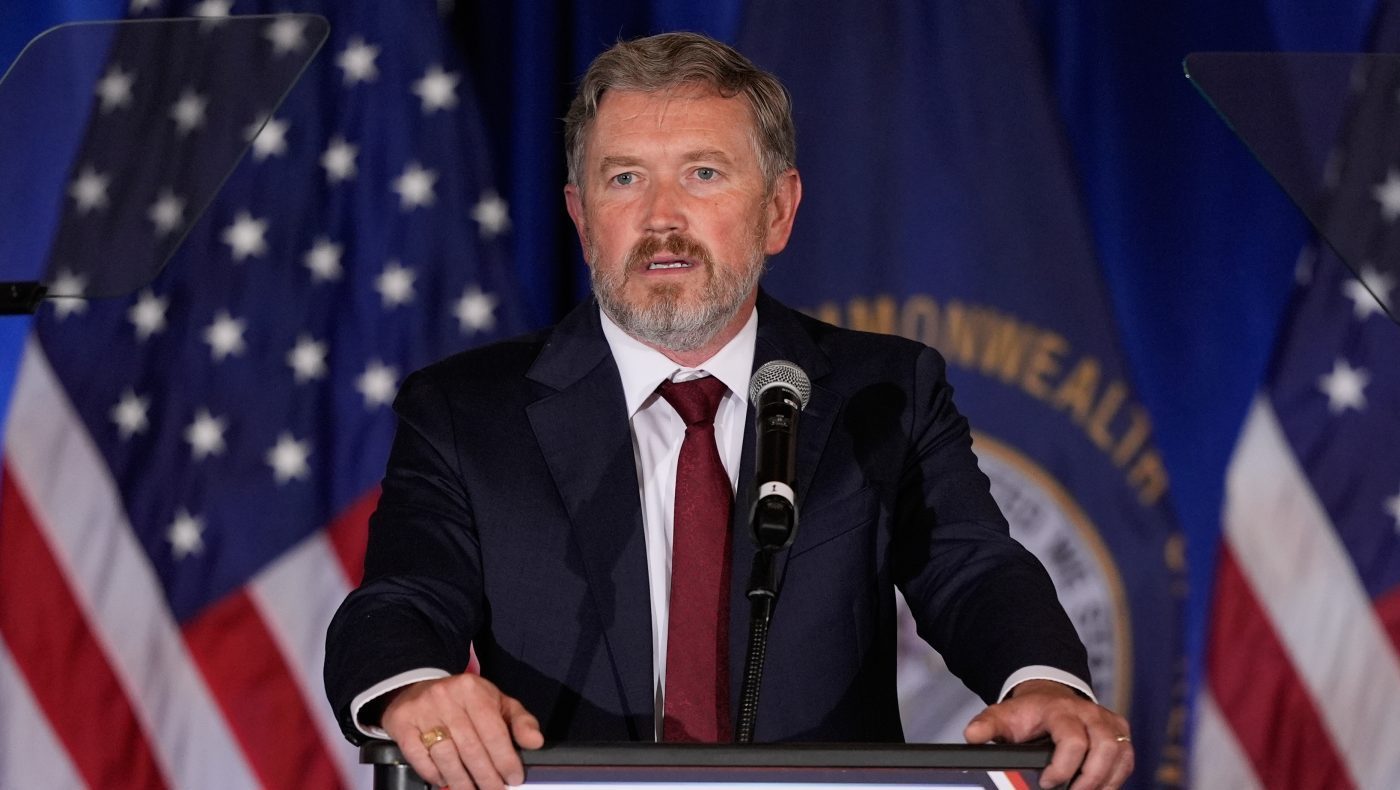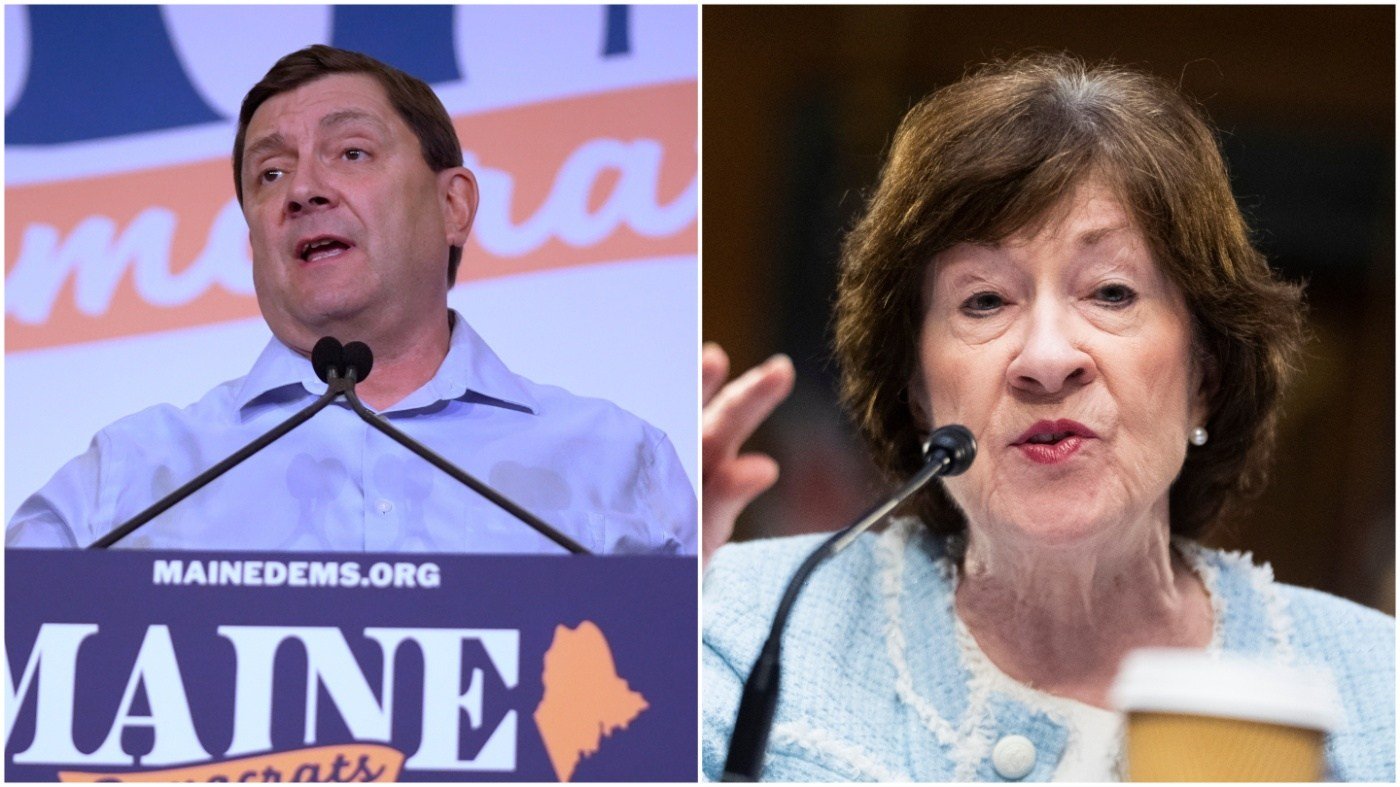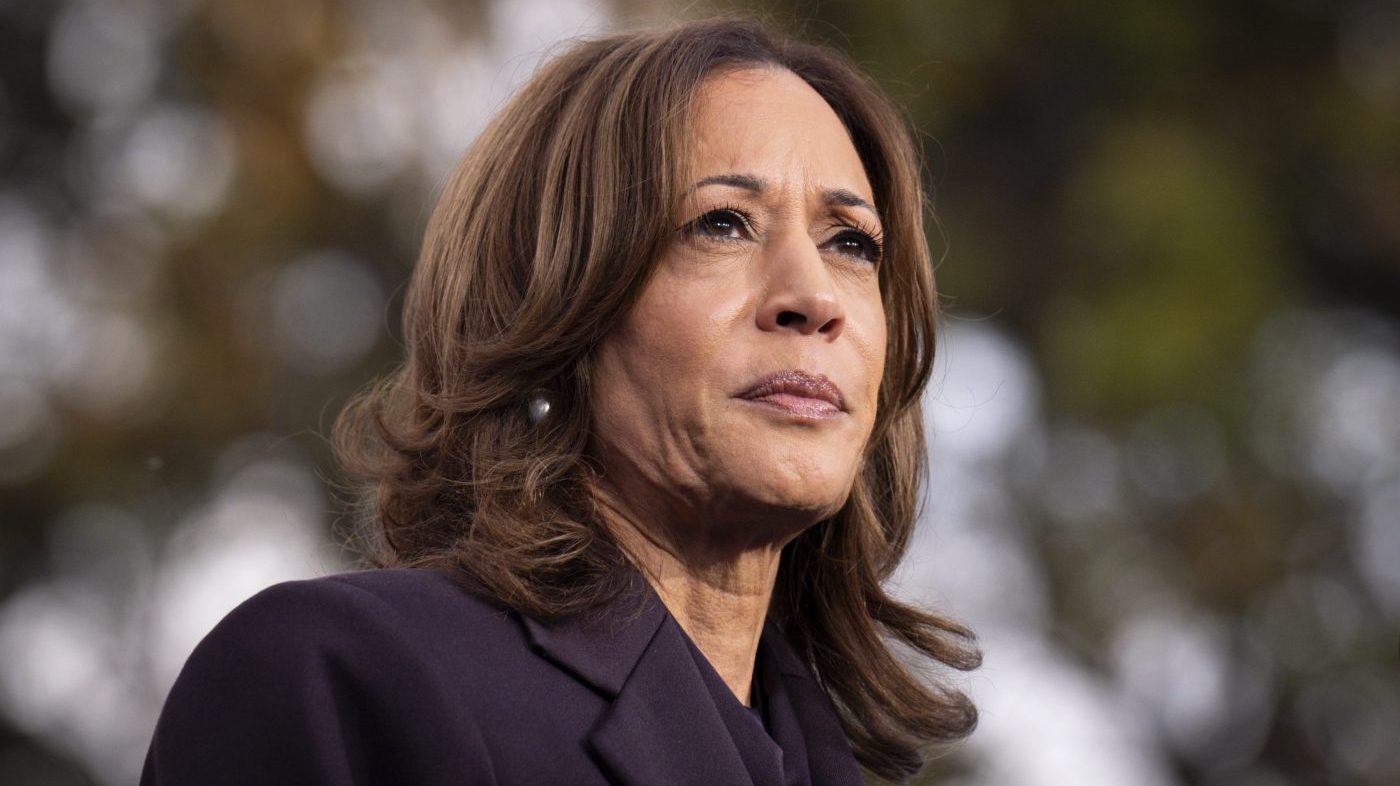
Internal strife within the Democratic Party erupted this week as a wave of prominent Democrats publicly excoriated the Democratic National Committee (DNC) and its chair, Ken Martin, over the mishandling of a post-mortem report on the party's 2024 presidential defeat. The report, commissioned to dissect Kamala Harris's loss to Donald Trump and the party's broader electoral failures, was initially withheld by Martin before being released Thursday under mounting pressure.
Former DNC Vice Chair David Hogg led the charge, calling on Martin to resign. In a blistering statement, Hogg described the entire episode as "a demoralizing joke" and demanded new leadership with "competence, creativity, moral clarity, and a relentless commitment to actually changing the broken Democratic Party brand." The sentiment echoed across the party, with many accusing Martin of compounding the damage by first refusing to release the document.
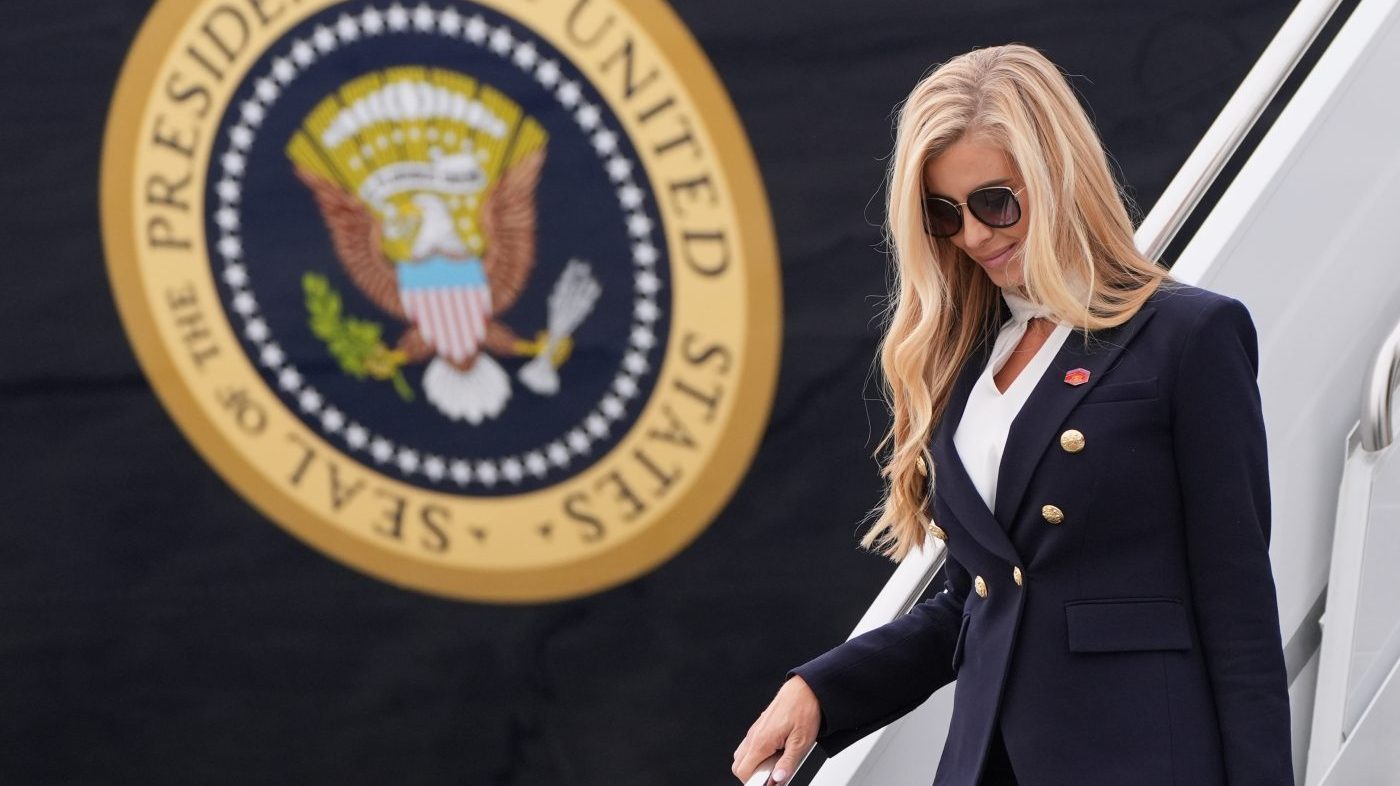
Martin, who took over the DNC in early 2025, acknowledged his missteps in a lengthy apology. "I didn't want to create a distraction. Ironically, in doing so, I ended up creating an even bigger distraction," he wrote. He admitted he was not proud of the report, saying it did not meet his standards and that he could not endorse its findings. But his mea culpa did little to quell the anger.
Senator Brian Schatz (D-Hawaii) told CNN that the DNC's handling was "poorly" executed, and that the initial secrecy gave the "implication that they were hiding something." Jon Favreau, former speechwriting director for President Barack Obama, offered a searing timeline of the debacle, accusing Martin of promising transparency, delegating to an incompetent ally, producing a subpar document, lying about the reasons for withholding it, and then gaslighting critics before finally releasing it under threat of revolt.
Florida Democratic strategist Steve Schale, a veteran of Obama's 2008 campaign, questioned the entire process: "Why not say this in 2024, or bring in more people to finish it, instead of turning this into the dumbest media cycle for 7-8 months?" The prolonged saga has dominated news cycles and deepened questions about Martin's leadership.
Not everyone was ready to condemn the chair. Adrienne Elrod, a former spokesperson for the Harris campaign, struck a conciliatory note, writing, "I'm glad he released the report, as flawed as it is. Time to move on and channel our energy into winning the midterms!" But the broader mood remains one of frustration, as the party struggles to regroup after a devastating election cycle.
The autopsy report itself, authored by Democratic strategist Paul Rivera, paints a grim picture. It argues that the party has "vacillated between stagnation and retrogression" since Obama's 2008 victory over John McCain, and that a string of narrow losses has steadily ceded power to Republicans. It blames "inconsistent messaging and improper planning" for the party's defeats up and down the ballot. The report's release comes as Democrats grapple with broader questions about their brand and strategy, including debates over messaging on the economy and technology's impact on trust, as highlighted by a recent warning from a former official about tech-driven distortion undermining democratic trust.
The backlash has also drawn connections to other internal party battles. In Colorado, for example, Democrats recently censured Governor Jared Polis for commuting the sentence of an election denier, a move that exposed fractures over accountability. Meanwhile, House Democrats are holding press conferences as redistricting and budget fights intensify, signaling that the party's internal divisions are far from resolved.
As the DNC tries to move forward, the episode has left many wondering whether Martin can rebuild trust. The report's findings, while flawed, underscore a party in crisis—one that has lost the White House and both chambers of Congress, and now faces an uphill battle in the 2026 midterms. For now, the autopsy has become a symbol of the very dysfunction it sought to diagnose.