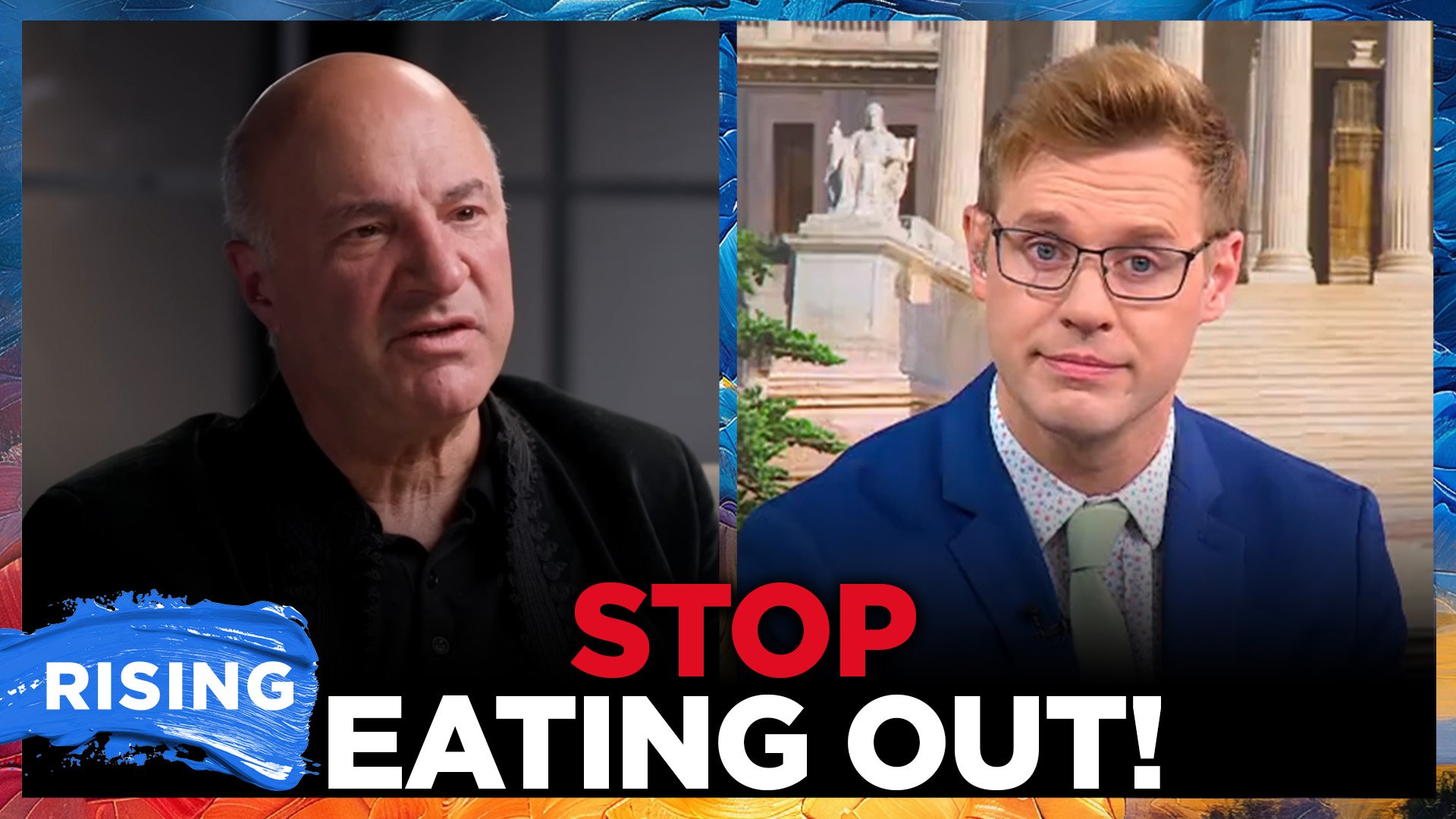
Kevin O’Leary, the “Shark Tank” investor known for his blunt financial advice, has set off a fresh round of debate by calling out Gen Z for what he sees as reckless spending. In two viral clips, O’Leary took aim at young people who routinely drop $28 on lunch and carry credit card balances—and his message is resonating with those who argue that personal finance discipline is sorely lacking.
O’Leary’s first target: the $28 lunch. He argued that buying groceries and making meals at home—like a peanut butter sandwich or grilled cheese—can slash monthly food costs to around $50. “You do not need to spend $28 on lunch,” he said, dismissing the notion that fast-food prices make that unavoidable. He pointed out that even with rising menu costs, packing a lunch requires only “a little bit of discipline and some forethought.”
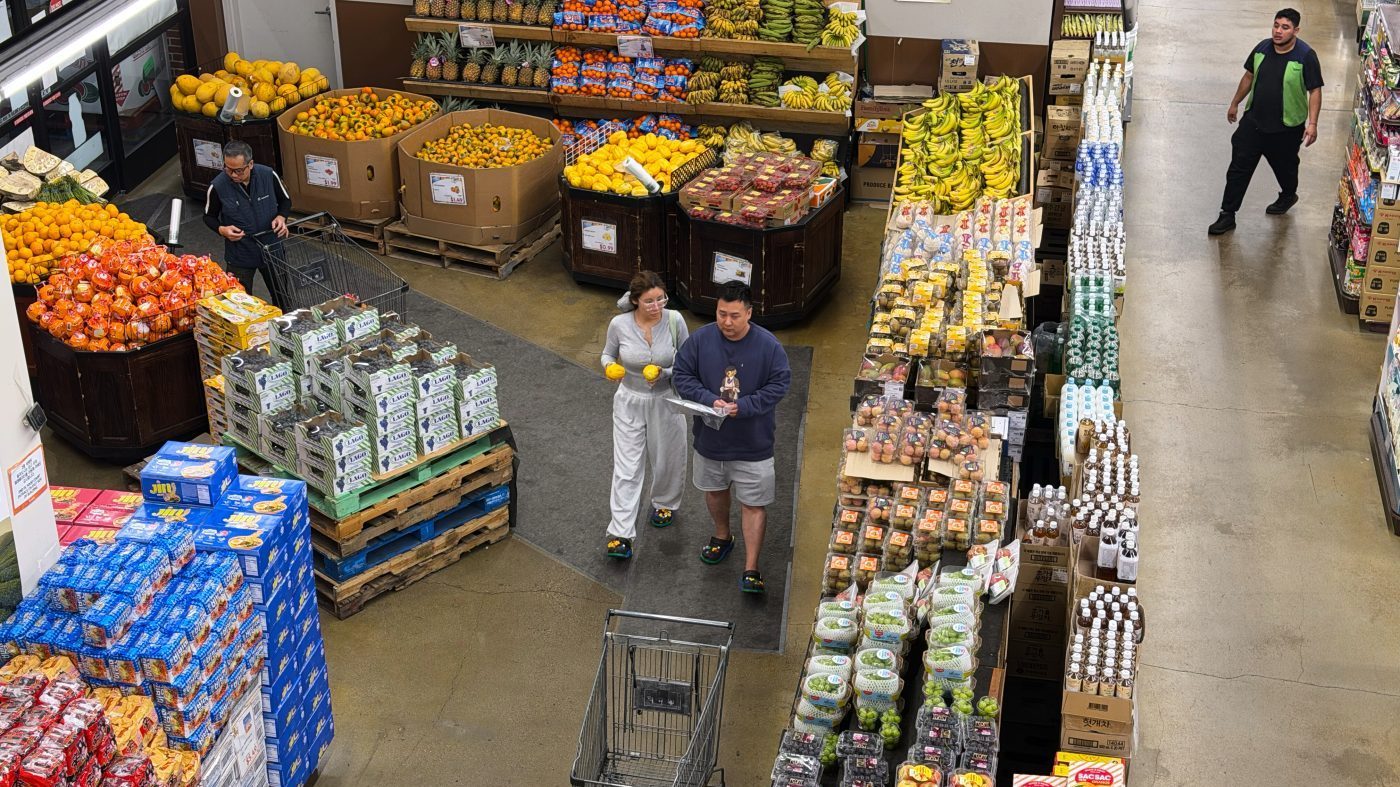
That critique lands amid a broader pattern: studies consistently show that lower-income households are the most likely to rely on delivery services like DoorDash, a habit that drains budgets. O’Leary’s advice isn’t just theoretical—he says he packs his own lunch nearly every day, even as his wealth has grown. The takeaway is clear: financial discipline isn’t about income level, but habit.
His second viral moment targeted credit card debt. O’Leary urged consumers to pay off their full balance each month, warning that interest payments are a money-losing trap. The only exceptions, he said, are emergencies or rare large purchases. He recommends setting up auto-pay for the entire balance—not just the minimum—and argued that anyone who can’t do that is living beyond their means.
The broader political implications are hard to miss. Many of the same people who resist budgeting, O’Leary implied, are the loudest advocates for loan forgiveness programs, whether for student debt or other obligations. That, he argued, is unfair to those who live within their means and manage their finances responsibly.
This isn’t just personal finance advice—it’s a political flashpoint. The debate over spending discipline connects directly to larger fights about government spending and fiscal responsibility. For instance, the House GOP faces a brutal 2027 spending battle as midterm elections approach, and similar tensions play out at the state level, as seen in new NEA data on education spending and student performance.
O’Leary’s remarks also echo broader concerns about economic policy. With Trump endorsing a federal gas tax suspension amid rising prices, the tension between short-term relief and long-term fiscal health remains a central theme. And as O’Leary defends a Utah data center against out-of-state protests, his brand of capitalism continues to draw both praise and criticism.
Ultimately, O’Leary’s message is a blunt reminder that personal financial habits have political consequences. Whether you agree with him or not, his viral moments are forcing a conversation about who bears responsibility for economic wellbeing—individuals, government, or both.