President Donald Trump has thrown his support behind a temporary suspension of the federal gas tax, calling the move “a great idea” as pump prices climb amid the ongoing conflict with Iran. In an interview with CBS News, Trump confirmed earlier reports that his administration is weighing the measure to provide relief to American drivers.
The federal tax currently stands at 18.4 cents per gallon for gasoline and 24.4 cents per gallon for diesel. Any suspension would require an act of Congress, but Trump’s backing could build momentum on Capitol Hill, where some Democrats have already signaled openness to the idea.

Energy Secretary Confirms Active Consideration
Energy Secretary Chris Wright reinforced the administration’s stance on Sunday, telling NBC that “all measures that can be taken to lower the price at the pump and lower the prices for Americans, this administration is in support of.” Wright added that the White House is “constantly looking for different ideas” to address rising fuel costs, which have become a political liability as the Iran conflict drags on without a clear endgame.
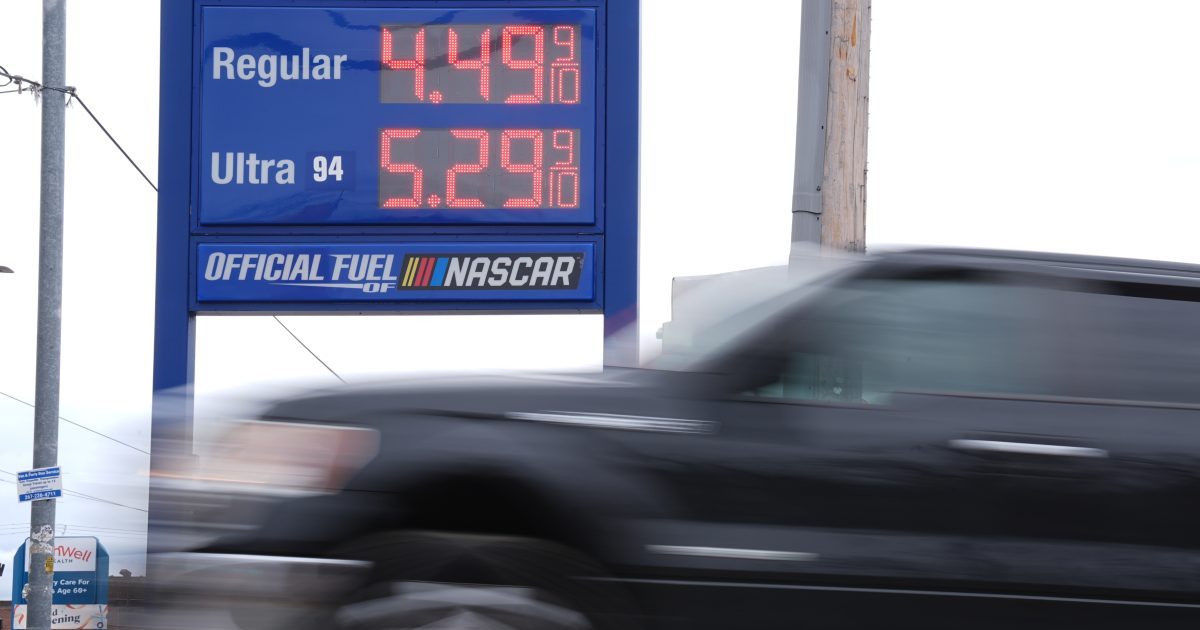
According to AAA, the national average for regular gasoline remained at $4.52 a gallon on Monday, a level that has squeezed household budgets and fueled voter frustration. The price spike is largely attributed to disruptions in global oil markets following the U.S. military engagement with Iran, which began earlier this year.
Congressional Hurdles and Political Dynamics
Trump’s endorsement of a gas tax pause comes as his administration faces growing scrutiny over the economic toll of the Iran war. While the president has touted military successes, voter anger over the conflict and its domestic costs is threatening Republican prospects in the upcoming midterms. A gas tax holiday could offer short-term relief, but it also risks draining the Highway Trust Fund, which relies on those revenues for infrastructure projects.
Some Democrats have expressed conditional support for the idea, though they are pushing for measures to ensure the savings are passed on to consumers rather than pocketed by oil companies. Progressive lawmakers have also called for a broader windfall profits tax on energy firms that have posted record earnings during the crisis.
Broader Energy Policy Under Pressure
The White House’s focus on a gas tax pause reflects a scramble to address the immediate pain at the pump, but critics argue it avoids deeper structural issues. The U.S. remains heavily dependent on fossil fuels, and the Iran war has exposed vulnerabilities in global supply chains. Energy Secretary Wright has defended the administration’s broader approach, including efforts to boost domestic production and streamline permitting for new drilling.
Meanwhile, Trump’s rejection of a recent Iranian peace deal has kept tensions high, with no diplomatic resolution in sight. Analysts warn that unless the conflict de-escalates, gas prices are likely to remain elevated through the summer driving season, putting further pressure on the president to deliver tangible relief.
For now, the gas tax pause remains a proposal in need of legislative action. With Congress set to tackle budget and housing issues in the coming weeks, the timing of any vote on the measure is uncertain. But Trump’s public embrace of the idea signals it will be a central part of his economic messaging as the midterms approach.