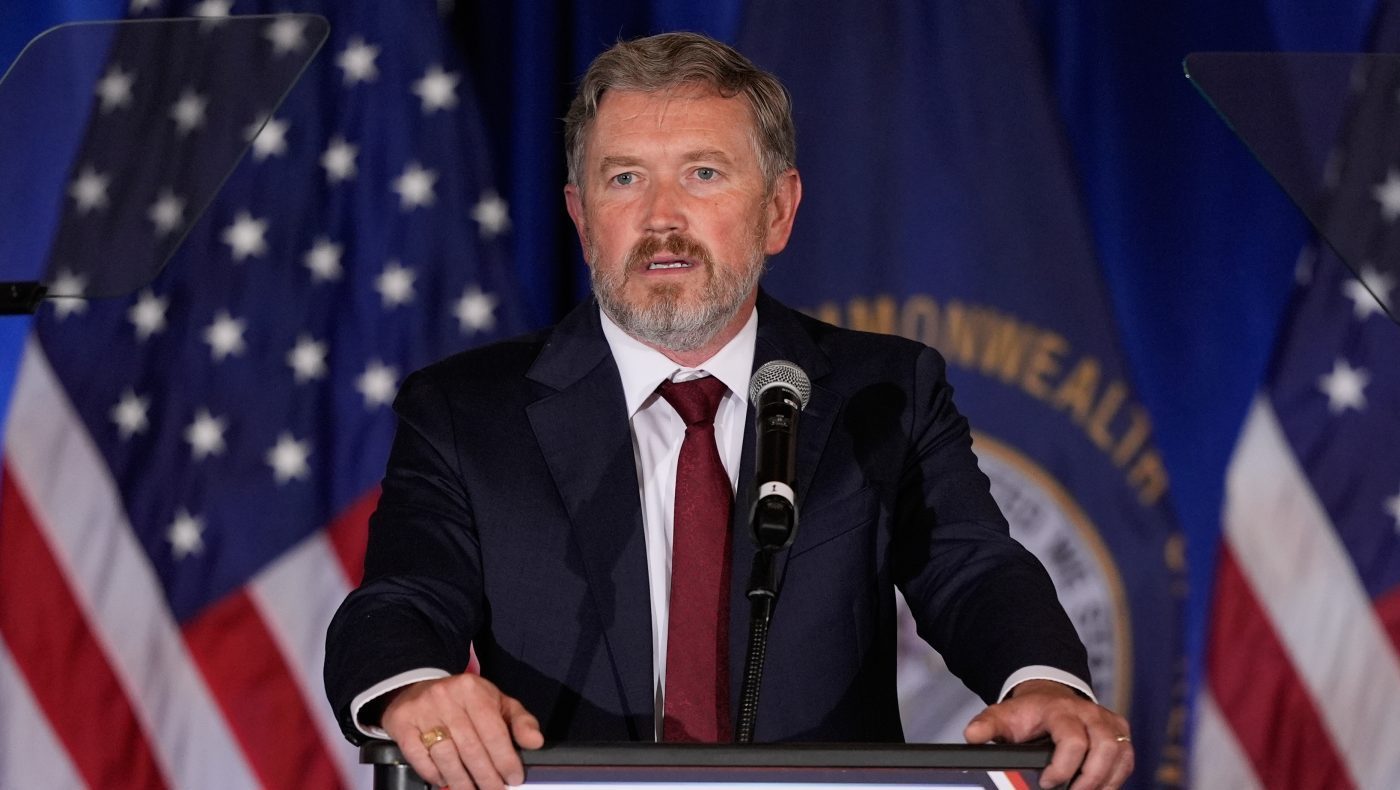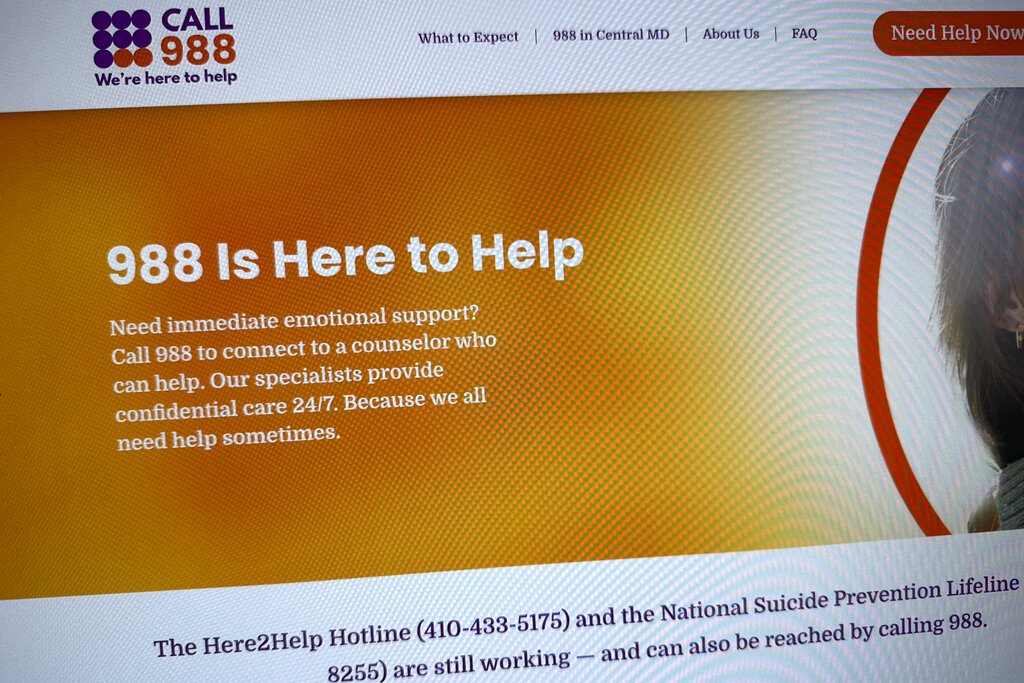
Suicide is now the second-leading cause of death for Americans aged 10 to 24, a grim statistic that has prompted Sen. John Kennedy (R-LA) to push for a simple but potentially lifesaving measure: putting the 988 Suicide and Crisis Lifeline number on every college student ID card.
Kennedy, along with Sen. Cory Booker (D-NJ), introduced the Improving Mental Health Access for Students Act, which would mandate that colleges and universities include the 988 number on student identification cards. The goal is to ensure that every student knows they can access free, confidential counseling at any hour.
“The government can’t fix the academic pressures and social isolation that are so prevalent among young Americans,” Kennedy wrote in a statement. “But Congress can do more to ensure that every college student in America knows that they can have a confidential and free conversation with a counselor if they ever find themselves in a dark place.”
The push comes as fresh data underscores the severity of the crisis. Between 2014 and 2024, the suicide rate for 18-to-25-year-olds increased by 17 percent, according to federal data. In Louisiana, the rate for those aged 10 to 24 jumped 52 percent between 2000 and 2021. Nationwide, 2 percent of young adults have attempted suicide—double the rate of any other age group.
College students are especially vulnerable. A recent Johns Hopkins University study found that suicidal ideation among students surged 154 percent from 2007 to 2022, driven largely by loneliness and academic stress. The 988 hotline, launched in July 2022, has fielded more than 16.5 million contacts, including 11.1 million calls, 2.9 million texts, and 2.4 million chats. Counselors have been effective: nearly 98 percent of callers reported that the hotline helped prevent self-harm.
Yet awareness remains alarmingly low. An Ipsos poll found that only 27 percent of Americans are familiar with 988, while 29 percent have never heard of it. Kennedy argues that putting the number on student IDs could bridge that gap.
The bill is being advanced through the expedited unanimous consent process, meaning it could pass by the end of May—Mental Health Awareness Month—if no senator objects. “Suicide isn’t a partisan issue,” Kennedy said, “but Congress has failed to make it a top legislative priority.”
The broader context of mental health challenges among young people has also drawn attention in other areas. For instance, a recent Pew poll showed that 56% of Americans believe federal ethics have declined under Trump's second term, highlighting a trust deficit that extends beyond policy. Meanwhile, the House faces a deadline on the Second Chance Act, a bipartisan reform effort that also touches on societal well-being.
Kennedy’s proposal is straightforward, but its success hinges on whether colleagues can set aside differences to act. “Every young American has the potential to change our country for the better,” he said. “It makes me sick to think that 2 percent of our young people have reached a place of such hopelessness that they’ve considered harming themselves.”