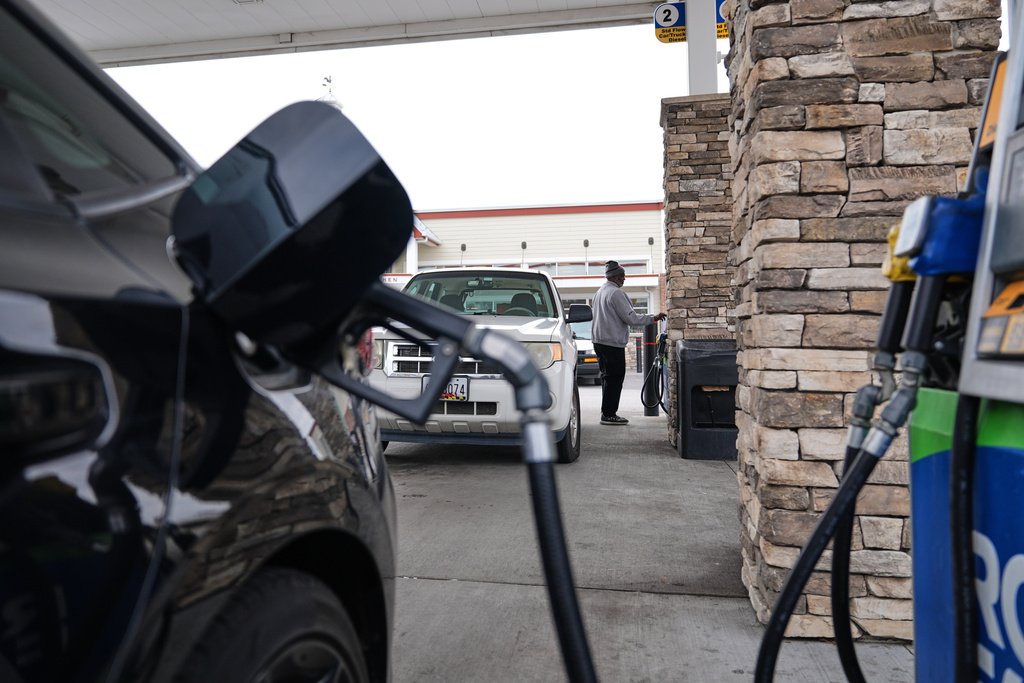
The House of Representatives is poised to vote this week on legislation that would lift the seasonal ban on E15, a gasoline blend with 15% ethanol, allowing its sale nationwide year-round. Proponents argue the measure would lower fuel costs for consumers and level the playing field for refiners under the Renewable Fuel Standard (RFS).
The bill, known as the Nationwide Consumer and Fuel Retailer Choice Act, also includes targeted reforms to the RFS that have drawn support from 80% of the oil industry. These changes aim to tighten small refinery exemptions, preventing mid-sized refiners from exploiting loopholes to avoid blending biofuels—a practice critics say has undermined the program for years.

But the push has sparked a fierce backlash from a small group of mid-sized oil refiners and their allies in Congress, who have unleashed a wave of misinformation about E15. Opponents claim the fuel hurts fuel economy and could raise prices, but supporters say the data tells a different story.
At the pump, E15 consistently undercuts standard E10 gasoline by 15 to 40 cents per gallon, according to recent price reports. In some cases, the savings top 42 cents per gallon—a discount of over 10%. Compared to ethanol-free E0, E15 can be a dollar or more cheaper. The logic is simple: ethanol costs far less than gasoline at wholesale terminals. A Chicago blender could buy a gallon of ethanol with an RFS compliance credit for just $2 last week, versus $3.60 for gasoline blendstock.
Fuel economy fears are also overblown. Testing by the University of California, Riverside on 20 late-model vehicles found only a 1% reduction in miles per gallon when using E15 versus E10—meaning a car that gets 29 mpg on E10 would drop to 28.7 mpg on E15. Given the price gap, drivers still pay less per mile with E15.
The bill’s RFS reforms are a key reason it has drawn bipartisan backing from farm groups, fuel retailers, consumer advocates, and most of the petroleum industry. The changes clarify which entities qualify for small refinery exemptions, closing a loophole that mid-sized refiners have used to avoid blending requirements. This has been a sticking point in past debates, and its inclusion has broadened support.
E15 is not a new fuel. The Environmental Protection Agency approved it in 2011, and it’s now sold at nearly 5,000 stations across 36 states. It is legally approved for 95% of vehicles on the road today. The main barrier to wider adoption has been the summer sales restriction, which Congress is now moving to eliminate.
The vote comes amid soaring gas prices, and supporters argue it offers immediate relief. “Congress should not let the opposition by a handful of Fortune 500 refining companies stand in the way of lower prices at the pump,” said Geoff Cooper, president and CEO of the Renewable Fuels Association. “This is an opportunity to deliver real savings for American families.”
While the bill faces headwinds from a vocal minority, the coalition behind it—including farm-state lawmakers and consumer groups—is confident it will pass. If enacted, the change could reshape the fuel market, giving drivers a cheaper option year-round and reinforcing the role of ethanol in America’s energy mix.