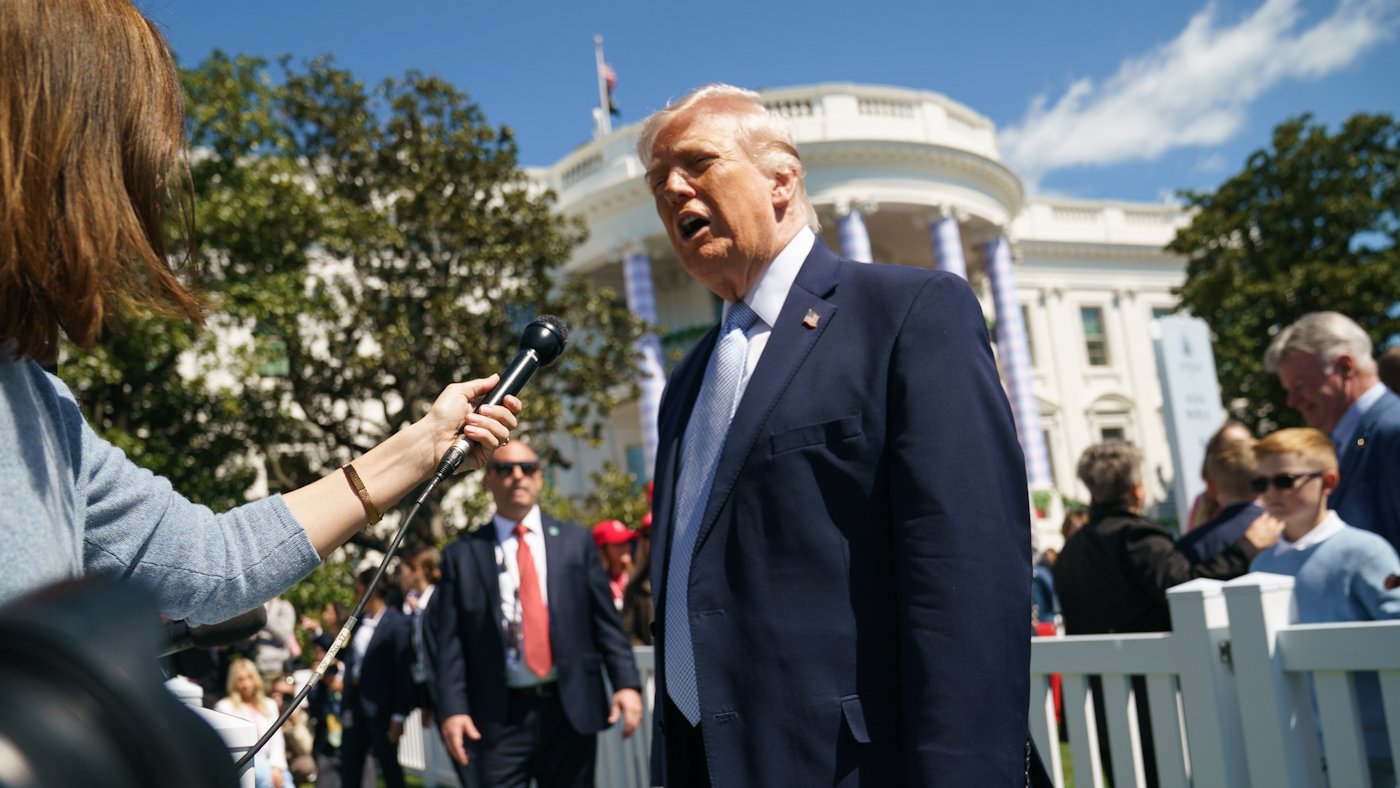
President Donald Trump offered a mixed assessment of Iran's latest diplomatic overture on Monday, calling a new ceasefire proposal from Tehran "significant" while maintaining it falls short of U.S. demands. The comments came amid escalating tensions and a looming deadline for Iran to reopen the critical Strait of Hormuz.
A Conditional Acknowledgment
Speaking to reporters before the White House Easter Egg Roll, Trump acknowledged the proposal represented progress. "They made a proposal, and it's a significant proposal. It's a significant step," he stated. "It's not good enough, but it's a very significant step. We'll see what happens." The president declined to confirm reports of a proposed 45-day ceasefire, suggesting instead that Iran's motivation stemmed from military pressure. "They would like to have a ceasefire because they're getting obliterated," he said.
Tehran's Firm Rejection
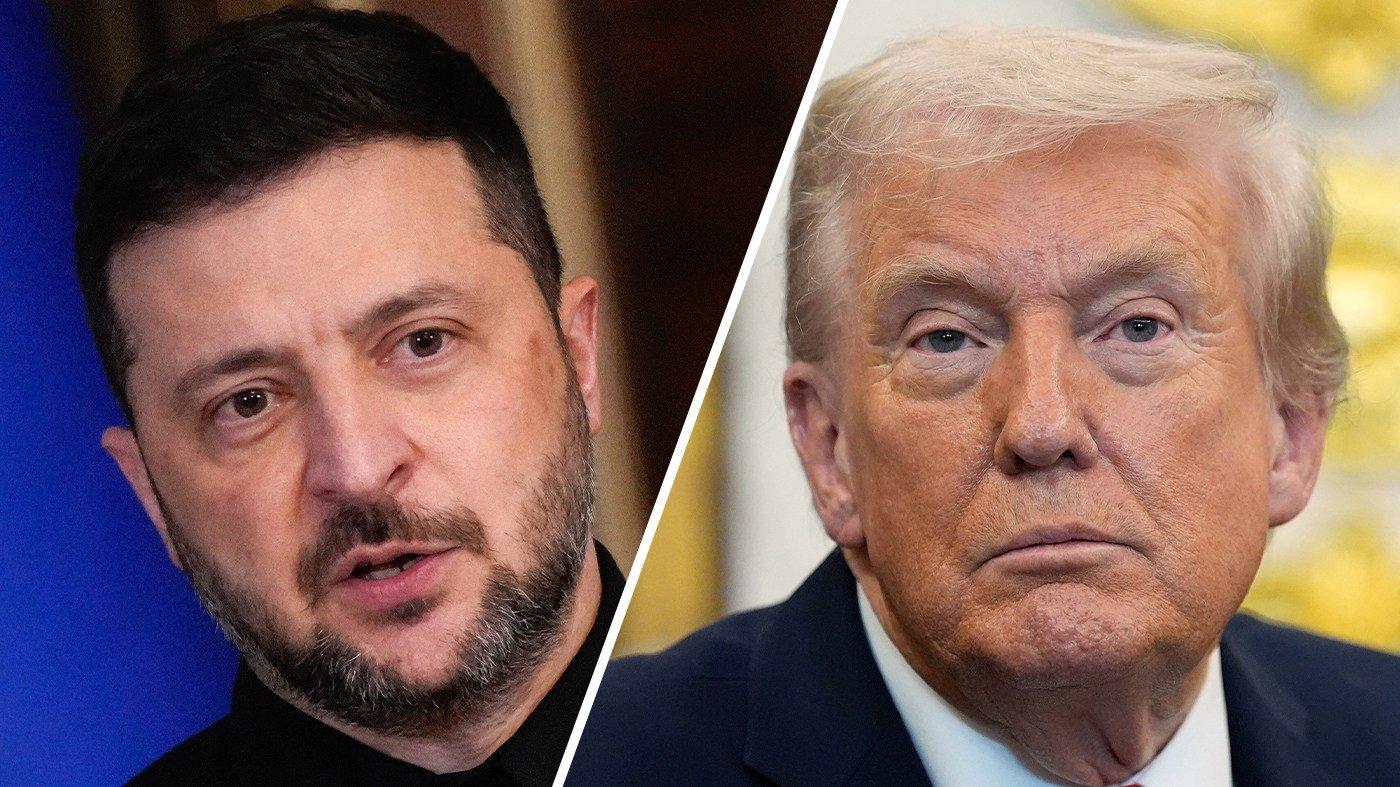
Iran's government, however, has outright dismissed the latest U.S.-backed ceasefire plan. In a statement on social media, the Iranian Foreign Ministry labeled the reported "15-point" proposal as "unrealistic." The statement emphasized, "Iran firmly refuses any negotiations conducted under the shadow of illegal sanctions, military threats, or coercion. Diplomacy requires mutual respect, not pressure." Instead, Iranian officials indicated a desire for a permanent end to hostilities in exchange for loosening control over the Strait of Hormuz, a vital global oil transit route.
The Ultimatum and Escalating Threats
The diplomatic stalemate unfolds against a backdrop of severe U.S. military threats. Trump has warned that Iran would face "all Hell" with targeted strikes on its power plants and bridges if it fails to reopen the Strait of Hormuz by the deadline. When questioned on Monday about whether such attacks on civilian infrastructure could constitute war crimes, Trump defended the posture by citing Iranian domestic actions. "Because they killed 45,000 people in the last month, more than that, it could be as much as 60,000. They killed protesters. They're animals," he asserted, adding, "And we have to stop them, and we can't let them have a nuclear weapon, very simple." These threats follow recent Israeli strikes on Iranian energy facilities, further raising regional temperatures.
In a call with The Hill on Sunday, the president did not rule out deploying ground troops to Iran if no agreement is reached. "Normal people would make a deal. Smart people would make a deal," Trump said. "If they were smart, they would make a deal."
Mediation Efforts and Proposal Details
According to Middle Eastern officials speaking to The Associated Press, mediators from Egypt, Pakistan, and Turkey have forwarded a proposal to both Washington and Tehran. The terms reportedly include a 45-day ceasefire and the reopening of the Strait of Hormuz. This diplomatic channel represents a key effort to de-escalate a crisis that has seen Trump issue stark ultimatums via social media.
Broader Political Context
The confrontation occurs within a complex domestic political landscape for the Trump administration. The president's aggressive rhetoric toward Iran has drawn criticism from some quarters, with figures like Stephen A. Smith labeling his profane ultimatum a diplomatic liability. Simultaneously, the administration is engaged in numerous other policy battles, from facing skepticism at the Supreme Court over immigration orders to consolidating regulatory authority over offshore energy projects. Meanwhile, the Democratic Party grapples with its own internal challenges even as it confronts the administration's foreign policy moves.
The standoff with Iran remains fluid, with the U.S. deadline passing and both sides publicly entrenched in opposing positions. The world watches to see whether the "significant step" acknowledged by Trump will evolve into a viable diplomatic path or give way to a dangerous military escalation.