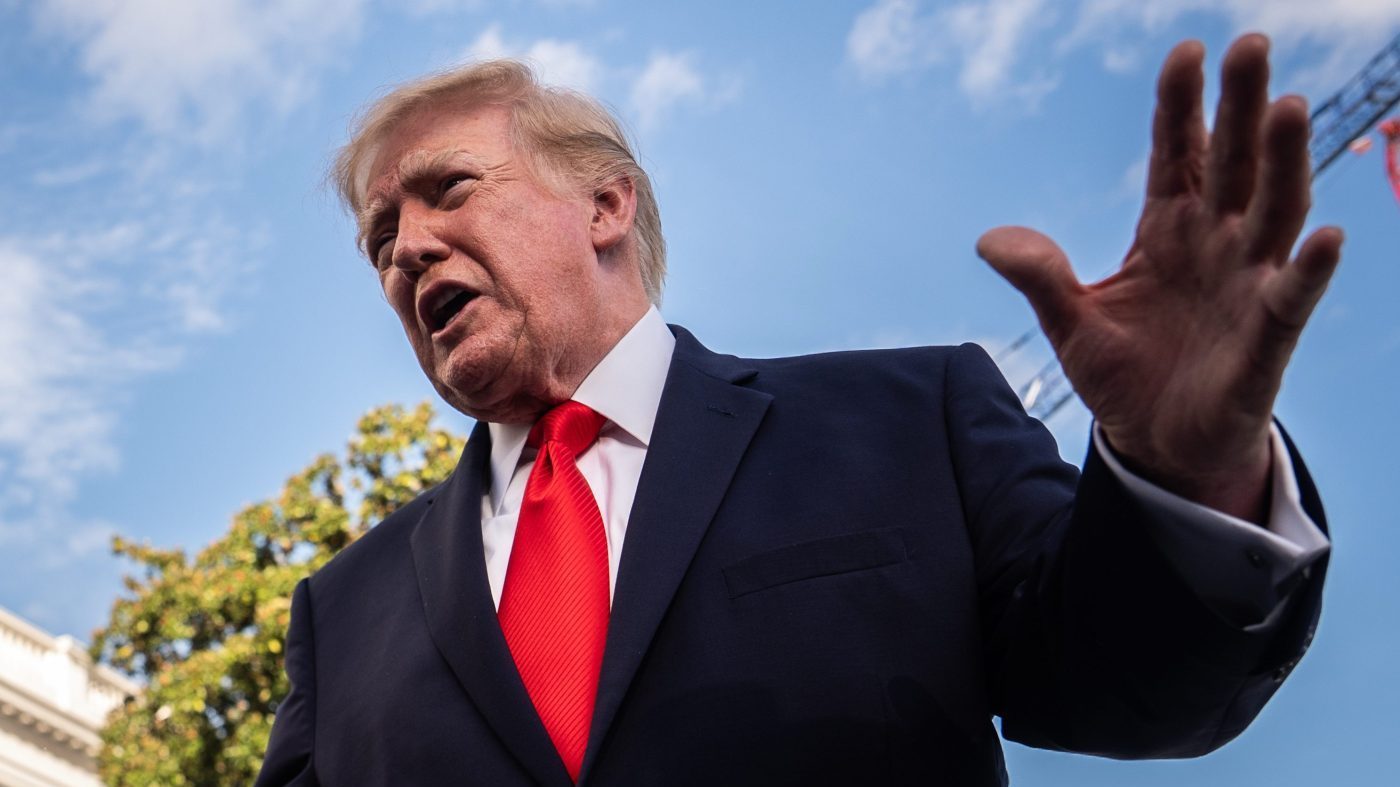
The constitutional principle of birthright citizenship, a cornerstone of American law since the ratification of the 14th Amendment in 1868, faced its most direct political challenge in generations last week as the Supreme Court considered the legality of an executive order issued by President Trump. The order, signed on his first day back in office, sought to unilaterally reinterpret the amendment's guarantee that "all persons born or naturalized in the United States, and subject to the jurisdiction thereof, are citizens."
A Foundational Principle Under Fire
For over 150 years, judicial precedent and scholarly consensus have held that the amendment confers citizenship automatically to nearly everyone born on U.S. soil, with narrow exceptions for children of foreign diplomats or hostile occupying forces. This legal understanding is supported by approximately two-thirds of the American public. The Trump administration's legal argument, which asserts the president can redefine "subject to the jurisdiction thereof" by executive fiat, represents a radical departure from this settled law.
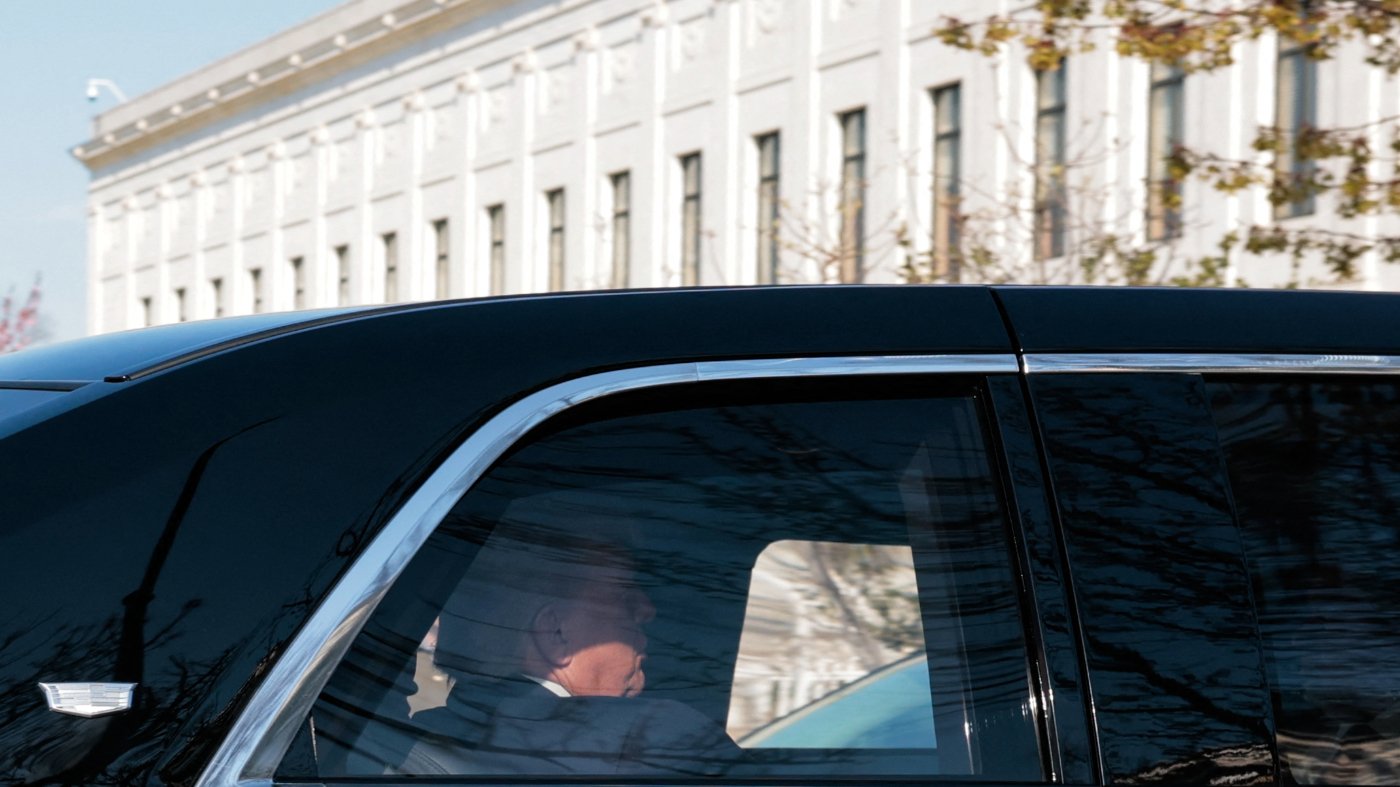
During oral arguments, a majority of justices, including several appointed by Trump during his first term, voiced profound doubts about the order's constitutionality. Their pointed questioning suggested the administration is headed for a decisive legal defeat. The palpable judicial skepticism reportedly led Trump, who had made a spectacle of being the first sitting president to attend a Supreme Court argument, to storm out of the proceedings early.
Broader Agenda of Redefining American Identity
This case is not an isolated incident but a central component of a wider political project by Trump and his allies to redefine who qualifies as an American and whose rights are protected. This agenda includes efforts to use deportation to suppress political expression, proposals to make voting more difficult for millions, and actions by MAGA officials to marginalize transgender Americans. The administration's confrontational foreign policy, including its hardline deadlines for Iran, reflects a similar unilateralist approach.
If implemented, the birthright citizenship order would create a bureaucratic nightmare, forcing potentially millions of citizens to prove their status and creating a hereditary underclass without full legal protections. Lower courts have uniformly rejected the administration's position, with some legal experts arguing the Supreme Court should have declined to hear the appeal altogether, instead issuing a brief order affirming the lower court rulings.
The Court's Role as a Check on Power
The proceedings underscore the critical function of an independent judiciary within the constitutional system of checks and balances. The courts serve as a bulwark against executive overreach, a role highlighted by the Senate's ongoing responsibility to confirm judges who will uphold the law rather than political preferences. This scrutiny extends to other administration initiatives, such as its attempt to revive a $400 million White House renovation project after a court-ordered halt.
A clear repudiation from the high court would deliver a sharp rebuke not only to the administration but also to a faction of right-wing legal scholars who have altered their longstanding views on the 14th Amendment to align with Trump's political objectives. Such a ruling would affirm that the Constitution's meaning cannot be changed by presidential decree.
Coming amid the administration's efforts to leverage national commemorations for political gain, a strong defense of birthright citizenship would reaffirm core American ideals: that no one is less American because of their ancestry, and that our system of laws, not the whims of a leader, provides our ultimate security. For a nation grappling with profound political divisions, the Court's expected ruling may offer a rare moment of constitutional clarity.