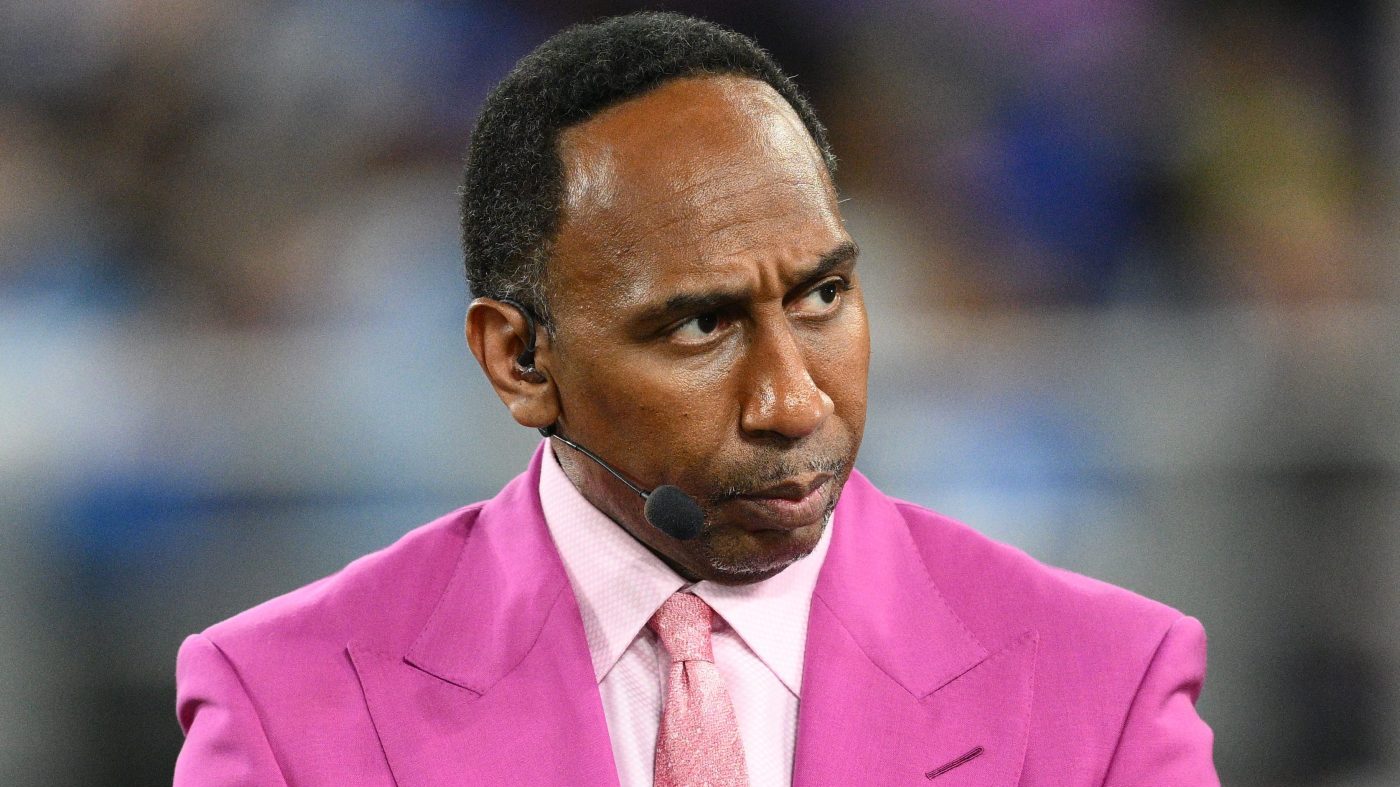
Prominent sports commentator Stephen A. Smith has publicly criticized former President Donald Trump over a weekend social media post in which Trump issued a profane ultimatum to Iran regarding the strategic Strait of Hormuz. Smith, addressing the incident in a video on X, argued that such rhetoric from a former commander-in-chief damages American credibility on the world stage.
A Question of Presidential Conduct
Smith made clear he holds no sympathy for the Iranian regime, acknowledging its status as a state sponsor of terrorism and its adversarial actions toward Israel and the United States. His critique focused squarely on Trump's method of communication. "But, you are the president of the United States," Smith stated, "you go on social media with a profanity-laced tirade, and then you end it by saying, 'Praise be to Allah.'" He questioned the strategic value of such an approach, asking, "How do you think that's going to help us? How do you think that's going to help us throughout the world?"
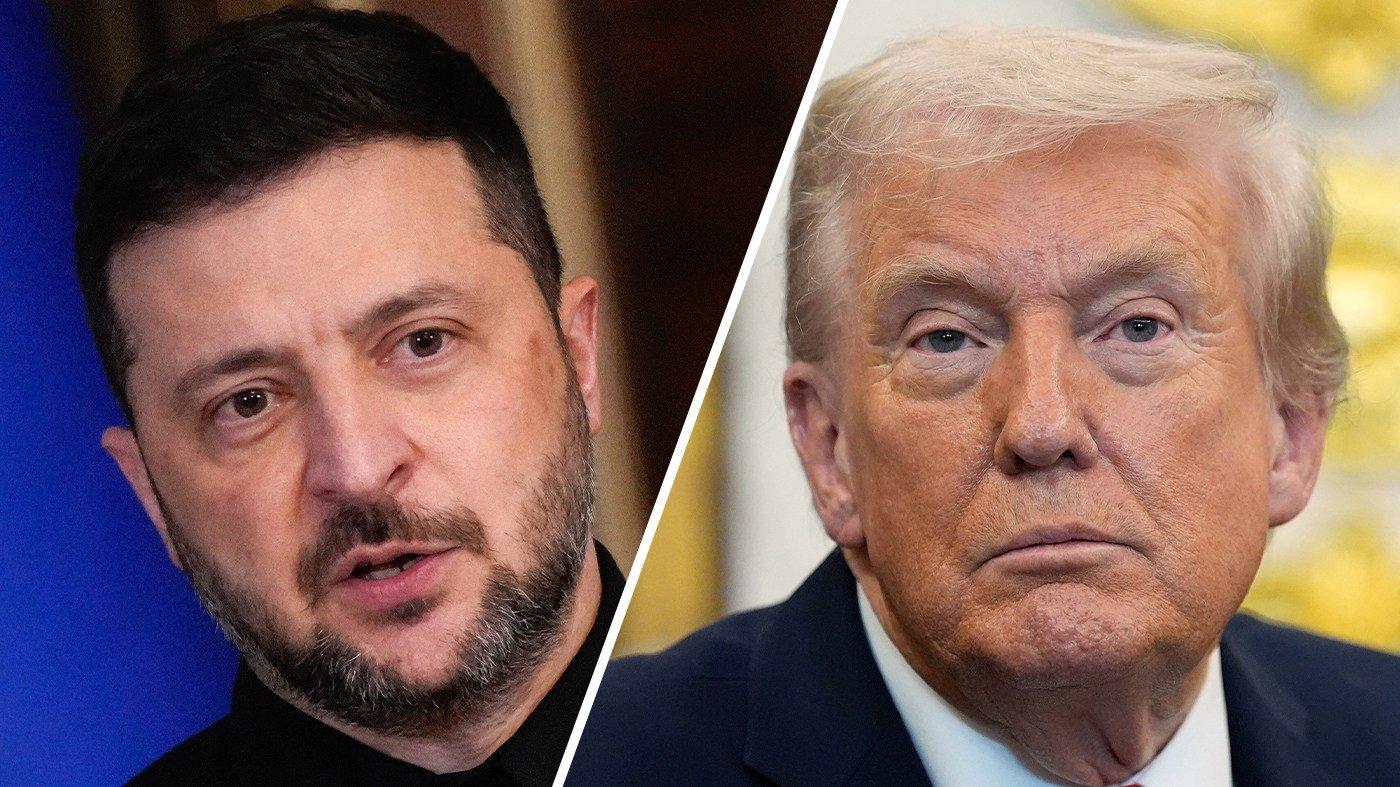
Smith specifically noted the potential fallout in Muslim-majority nations beyond Iran, concluding with exasperation, "It never ends with this guy."
Trump's Escalating Social Media Threats
The controversy stems from a series of posts Trump made on his Truth Social platform. On Sunday, he directly threatened Iranian infrastructure, writing, "Tuesday will be Power Plant Day, and Bridge Day, all wrapped up in one, in Iran. There will be nothing like it!!!" He then demanded, using an expletive, that Tehran "open the Strait" and called Iranian leaders "crazy bastards," warning they would "be living in Hell." The post was signed off with "Praise be to Allah. President DONALD J. TRUMP."
This followed a post from the previous day in which Trump referenced a self-imposed deadline, writing, "Remember when I gave Iran ten days to MAKE A DEAL or OPEN UP THE HORMUZ STRAIT. Time is running out – 48 hours before all Hell will reign down on them. Glory be to GOD!" The deadline was set for Monday to reopen the critical waterway, through which a substantial portion of the world's seaborne oil trade passes.
Regional Actions Amid Ultimatums
The tense rhetoric coincided with direct military action in the region. On Monday, as Trump's deadline loomed, Israeli forces conducted a strike on Iran's largest petrochemical facility in the south of the country. This action further escalated regional tensions, independent of the U.S. political discourse.
The Strait of Hormuz has been a persistent flashpoint. Tehran has previously threatened to close the strait in response to Western sanctions, a move that would trigger a global energy crisis. The U.S. has consistently stated that any blockage is a "red line." This latest episode follows Iran's recent dismissal of a proposed U.S. ceasefire plan as unrealistic, highlighting the deep diplomatic chasm.
Broader Context of Trump's Foreign Policy Approach
Trump's combative social media diplomacy toward Iran is not an isolated incident but part of a broader pattern of confrontational foreign policy communication. His administration previously leveraged maximum pressure campaigns against Tehran, and his current rhetoric suggests a continuation of that stance. The episode also occurs against a backdrop of ongoing White House briefings and Tehran's firm rejection of U.S. demands.
Critics like Smith contend that using profanity and religious references in statecraft diminishes the office of the presidency and complicates diplomatic efforts. Supporters of Trump's approach often argue that his blunt, unpredictable style breaks from failed diplomatic norms and projects strength. The incident underscores the ongoing debate over the role and tone of presidential communication in managing international crises, particularly in a volatile region critical to global energy security.