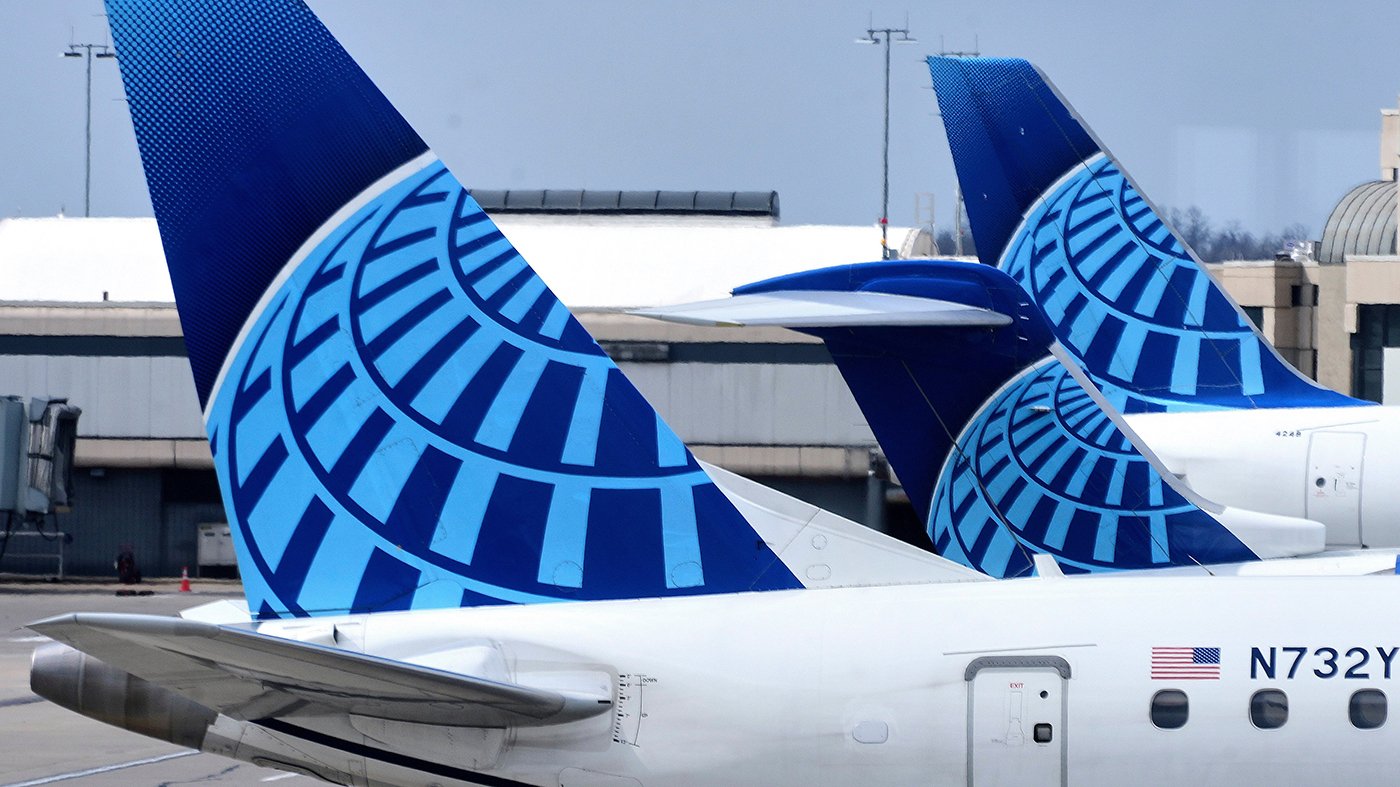
A global aviation crisis is intensifying as a severe jet fuel shortage, driven by the ongoing war in Iran, forces airlines to cancel thousands of flights and implement steep fare increases. With fuel prices nearly doubling since late February, carriers are scrambling to cut costs, warning that the financial strain could worsen in the coming weeks.
Unprecedented Cost Surge Forces Schedule Cuts
According to industry data, the price of jet fuel in the United States has skyrocketed by 95 percent, rising from $2.50 per gallon in late February to $4.88 by early April. This surge translates to approximately $205 per barrel, placing immense pressure on airline balance sheets. United Airlines became the first major U.S. carrier to respond, announcing it would cut about 5 percent of its planned routes for the second and third quarters of 2026. CEO Scott Kirby framed the move as a necessary step to prune "temporarily unprofitable" flying, citing an $11 billion annual expense increase if fuel prices remain elevated.

Other international carriers are following suit. Air New Zealand plans to cancel 1,100 flights through early May, while Scandinavian airline SAS will cut 1,000 flights in April. Vietnam Airlines has warned it may slash 10 to 20 percent of its flights if prices hold at current levels. The cuts are already being felt globally; data from aviation analytics firm Cirium shows nearly 7 percent of all worldwide flights were canceled on a single day this week, a significant jump from the same period last year.
Passengers Face Steep Price Hikes
The cost burden is being passed directly to travelers. Ticket prices for the week beginning March 9 were up 24 percent compared to the same week in 2025, according to travel data provider OAG. Industry observers note that fuel surcharges are being bundled into base fares, making the increases less transparent but no less real. Sally French, a lead travel writer at NerdWallet, pointed to carriers like Air France-KLM, which recently added a 50-euro increase to round-trip tickets specifically due to fuel costs.
This inflationary pressure compounds existing trends. Domestic airfares, after a decline in 2025, rose 6 percent in January and 7.1 percent in February, according to federal data. French suggests that cutting lower-cost, off-peak flights could further inflate prices by concentrating demand on more expensive routes. However, she also questioned whether sustained high costs could eventually soften consumer demand, despite earlier surveys indicating strong intent to travel this summer.
Strategic and Supply Chain Complications
The crisis is inextricably linked to geopolitical instability. Iran's control of the critical Strait of Hormuz has complicated the conflict and disrupted global energy logistics, a situation detailed in previous reporting on the war's mounting costs and strategic challenges. Aviation logistics expert Greg Raiff warned that even a swift resolution to the conflict would not bring immediate relief. "Production has been taken offline in the Middle East, and they've run out of storage," Raiff said. "It's going to take a long while to work through the hangover of this."
The aviation sector's turmoil adds to a cascade of domestic policy pressures. The strain on travel infrastructure echoes other systemic challenges, such as the ongoing TSA staffing crisis that has stranded passengers and fueled political debates over homeland security funding. Furthermore, the economic ripple effects of the Iran conflict extend beyond aviation, prompting the administration to prepare relief measures for the agricultural sector, which is also grappling with rising costs.
With jet fuel supplies constrained and prices at record highs, airlines face a precarious balancing act between maintaining service and preserving profitability. As the Iran conflict continues with no clear end in sight, travelers and the broader economy should brace for prolonged disruption and higher costs in the global aviation network.