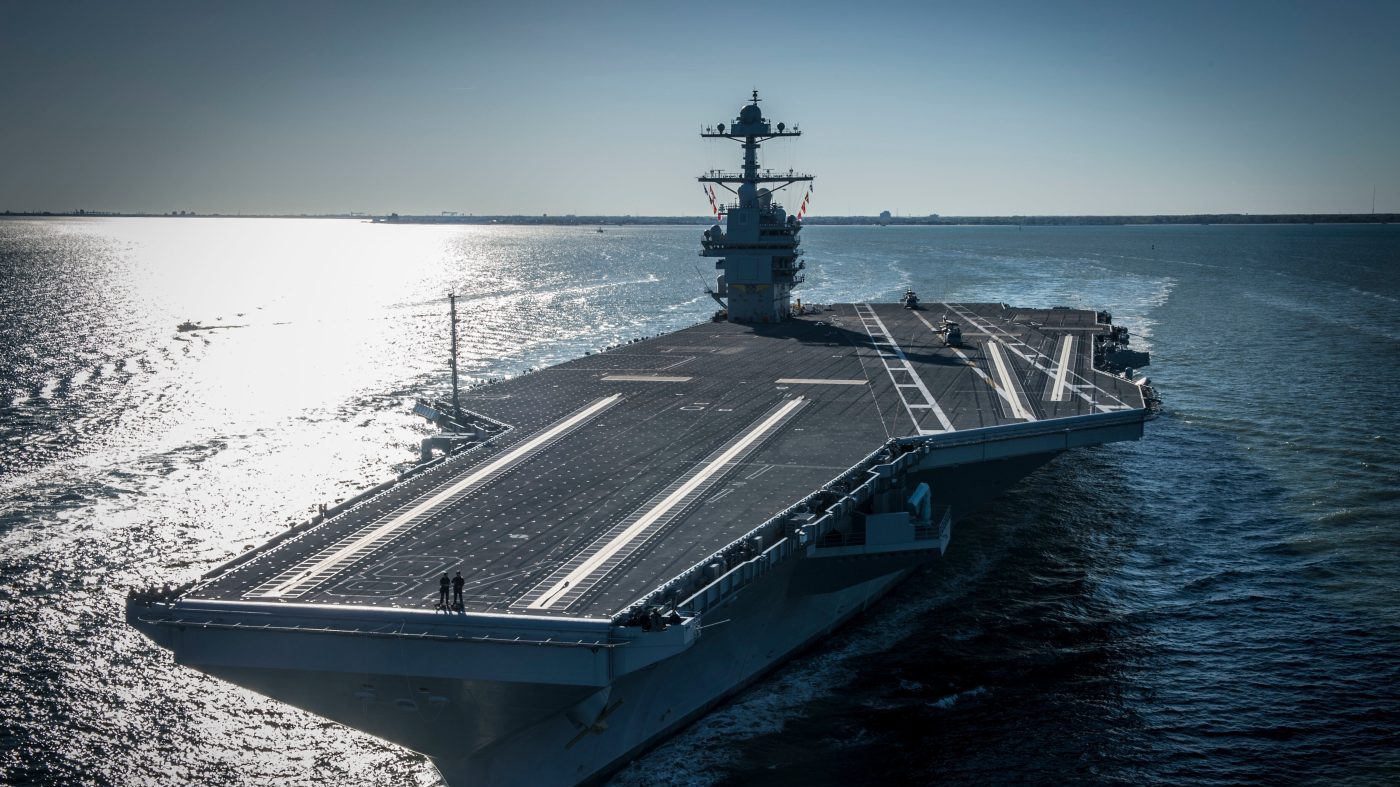
The U.S. Navy is preparing to harness the nuclear reactor of a Ford-class aircraft carrier to supplement power at Naval Station Norfolk, the world's largest naval base, according to a service spokesperson. The initiative, set to begin later this year, represents a novel approach to ensuring reliable electricity for critical military operations.
Acting Navy Secretary Hung Cao first signaled the plan during a May 14 hearing on the fiscal 2027 budget request, stating plainly that "Norfolk Naval Base would be powered by an aircraft carrier." The spokesperson later confirmed that the demonstration will involve a Ford-class carrier, the newest class in the fleet, though no specific ship was named. The only active Ford-class carrier is the USS Gerald R. Ford.
Ship-to-Shore Power Experiment
The test is part of a broader strategy to secure "firm, baseload power" for installations, the spokesperson said. "One line of effort in the strategy is to deliver power from a Ford-class nuclear-powered aircraft carrier to a compatible shore installation, to demonstrate the capability to meet emergent, mission critical needs." Engineers aim to transfer energy from the ship's nuclear reactors to the base's electrical grid, providing a backup source independent of the civilian power system.
This move comes amid growing concerns about energy security at military bases, which have faced vulnerabilities from grid failures and cyberattacks. The Navy's push for energy resilience aligns with broader Pentagon efforts to harden infrastructure, including recent moves like the Bulgarian government's decision to restrict U.S. military aircraft access over a visa dispute, highlighting how geopolitical tensions can affect base operations.
Operational Implications
Using a nuclear carrier as a floating power plant is a first for the Navy, leveraging the immense capacity of its A1B reactors. Each Ford-class carrier generates over 600 megawatts of electricity, enough to power a small city. While the test is limited, it could pave the way for broader use of naval assets to support shore infrastructure during emergencies or natural disasters.
The announcement follows other high-profile energy and infrastructure moves by the Trump administration, such as the $465 million investment in Union Station's renovation after a federal takeover, underscoring a pattern of federal intervention in critical infrastructure. Critics, however, question the cost and complexity of using a warship for power generation when the base already has backup diesel generators.
Political Context
Acting Secretary Cao, a Trump appointee and former Navy captain, has emphasized energy resilience as a core priority. The test also comes as the Navy faces budget pressures and debates over shipbuilding priorities. The Ford-class program has been a target of scrutiny due to cost overruns and technical issues, but this demonstration could showcase its versatility beyond combat roles.
The White House, meanwhile, has been promoting large-scale infrastructure projects, including record-breaking fireworks for America's 250th birthday, as part of a broader patriotic agenda. The Norfolk power test fits into that narrative by highlighting American technological prowess and military readiness.
No further details on the test's timeline or duration have been released. WAVY, which first reported the story, said it will continue to monitor developments and provide updates as the Navy moves forward with the demonstration.