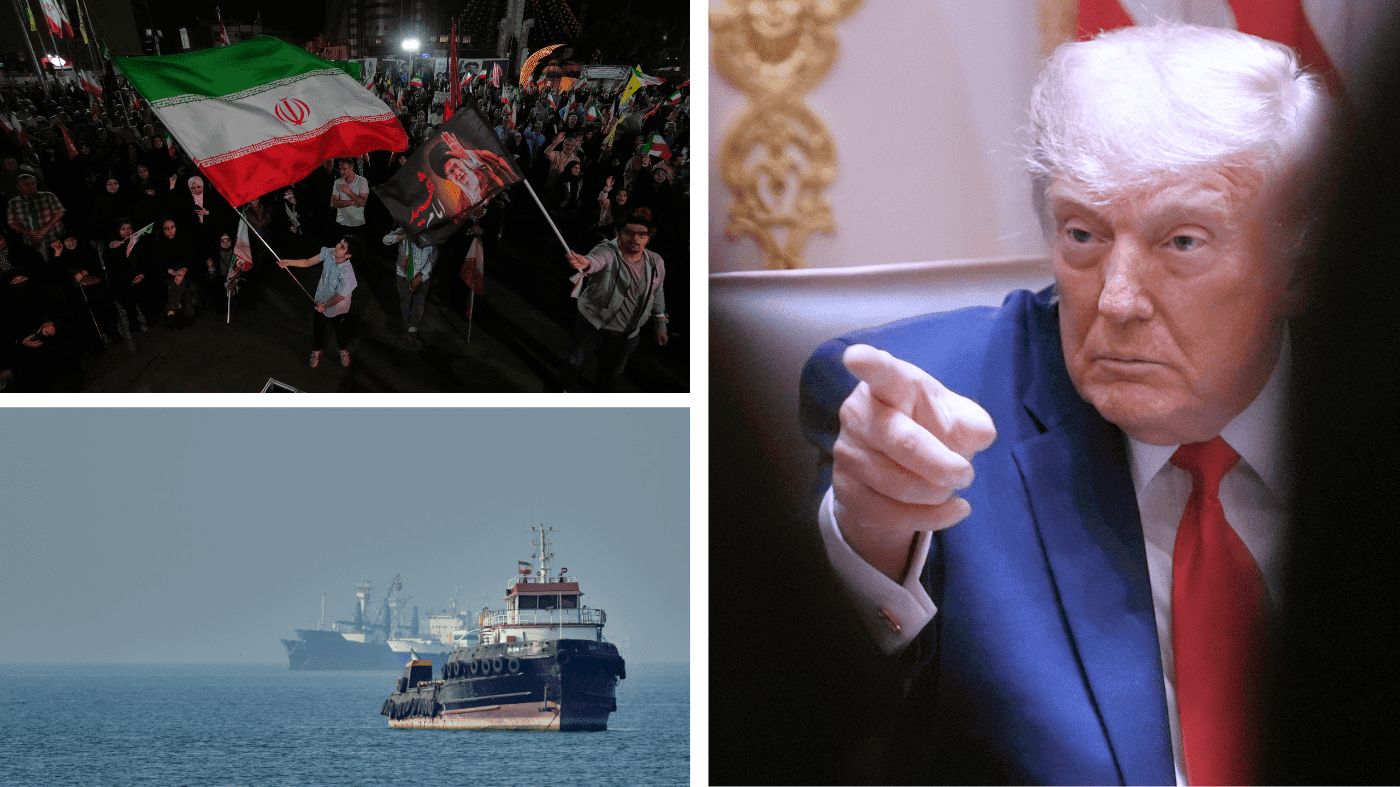
President Trump is expected to make a final call on a tentative agreement with Iran that would reopen the Strait of Hormuz and extend the current ceasefire, but the path to a deal remains fraught with internal dissent and unresolved nuclear disputes.
The emerging memorandum of understanding, negotiated this week, would represent the most significant diplomatic breakthrough since the conflict erupted over three months ago. Under the proposal, a 60-day ceasefire extension would be paired with the restoration of unrestricted navigation through the Strait of Hormuz, a critical energy corridor through which roughly one-fifth of the world's oil supply passes daily.
Trump convened a two-hour Situation Room meeting on Friday but emerged without a definitive update, despite earlier signaling that a final determination was imminent. The White House has not confirmed whether the president will sign off on the deal, which has drawn mixed reactions from Capitol Hill.
The standoff over the strait has been a central flashpoint. Iran imposed a de facto blockade early in the conflict, using naval mines, military threats, and toll demands. The U.S. countered with its own naval blockade in mid-April to choke off Iranian oil exports. Defense Secretary Pete Hegseth confirmed that the U.S. blockade remains active, as reported by Hegseth in a recent update, but the tentative deal envisions a gradual lifting in exchange for Tehran loosening its grip.
According to reports, the agreement would require Iran to remove all mines within 30 days and pledge not to impose tolls. “It will be an open strait, a toll-free strait that the entire world can use, which is the way it should be,” Hegseth told reporters in Singapore on Saturday.
Oil prices have already reacted, with Brent crude dipping to around $91 per barrel, reflecting cautious optimism about a potential resolution. However, tensions remain high. The U.S. launched what it called defensive strikes in southern Iran this week, and Tehran retaliated with ballistic missiles targeting Kuwait. Each side accused the other of violating the ceasefire, and a U.S. official reported that American forces intercepted four Iranian drones and struck a ground control station in Bandar Abbas.
The nuclear question continues to hang over the negotiations. While Iranian state media deny that the nuclear issue is on the table, Trump stated on Truth Social that the “nuclear dust” could be turned over to the U.S. or destroyed. Vice President Vance acknowledged that the sides are “still going back and forth” on the matter. Treasury Secretary Scott Bessent, slated to appear on Fox News’s “Sunday Morning Futures,” insisted that no sanctions relief would occur until Iran agrees to hand over its highly enriched uranium.
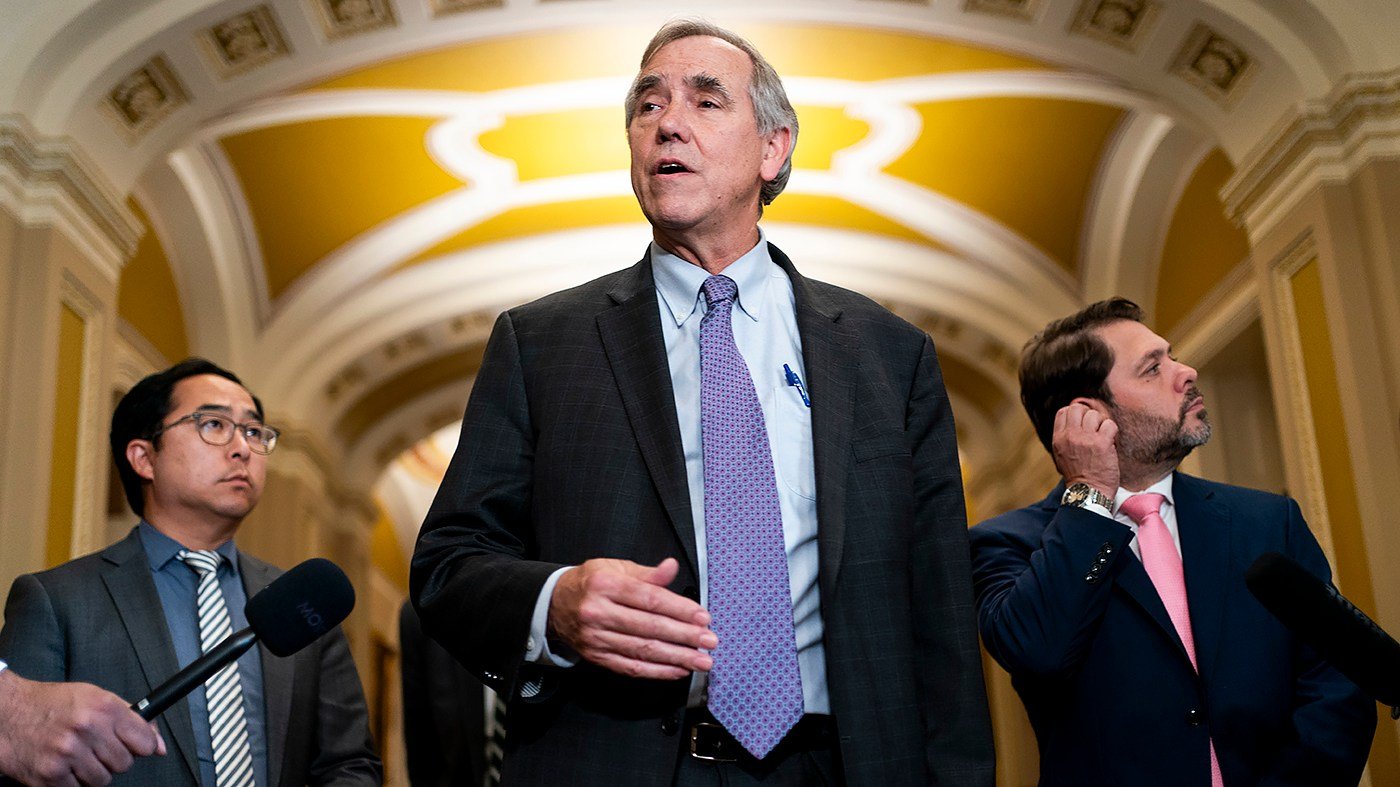
On Capitol Hill, the deal has drawn a lukewarm reception from hawkish Republicans. Senators Ted Cruz and Roger Wicker have voiced concerns that leaving the current regime intact could undermine the military campaign’s achievements. Others, like Senator Rand Paul, urge patience. The debate echoes the broader reckoning among Iran war hawks as Trump seeks a ceasefire. Congress returns from Memorial Day recess next week, likely fueling intense scrutiny.
Kevin Hassett, director of the National Economic Council, will appear on Sunday shows to field questions about rising gas prices and falling consumer sentiment, as the economic fallout from the conflict pressures the administration.