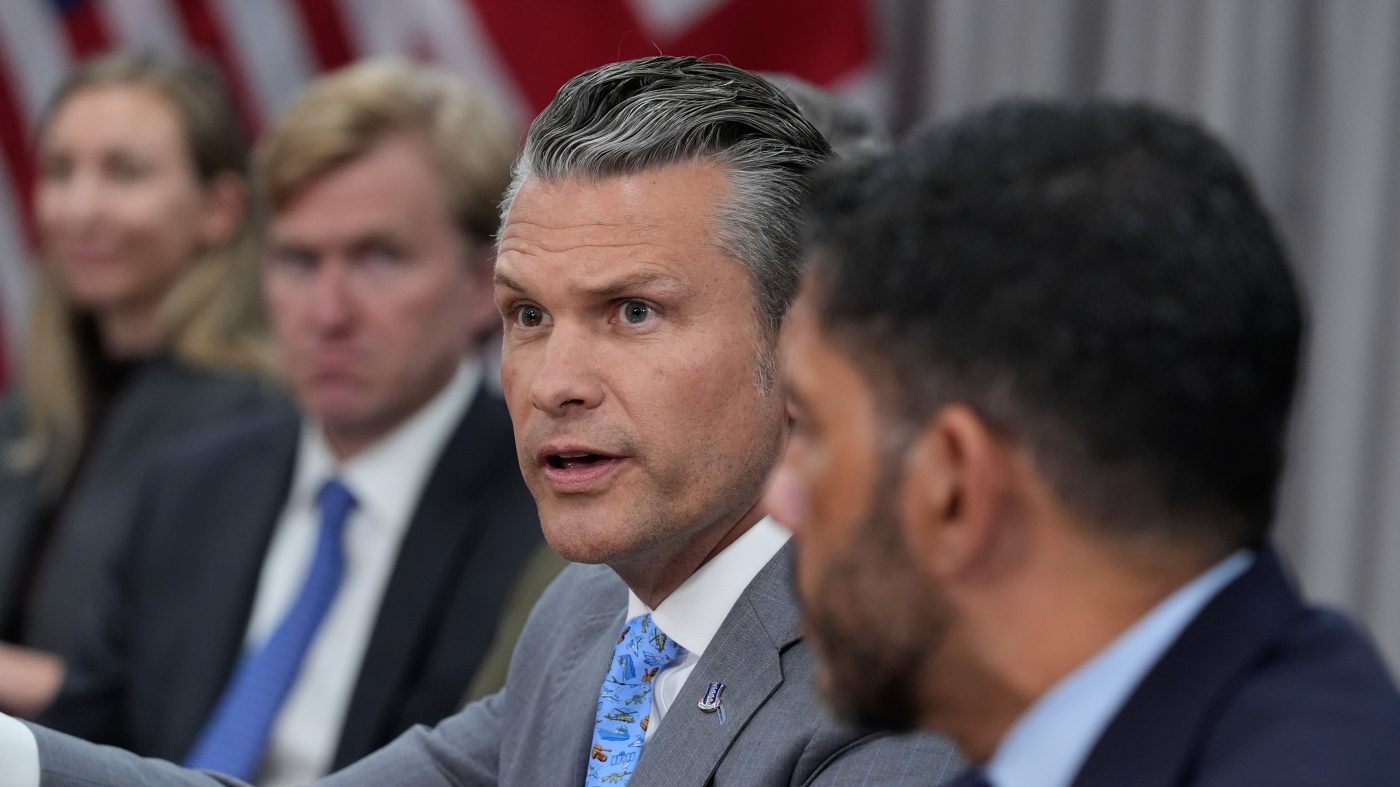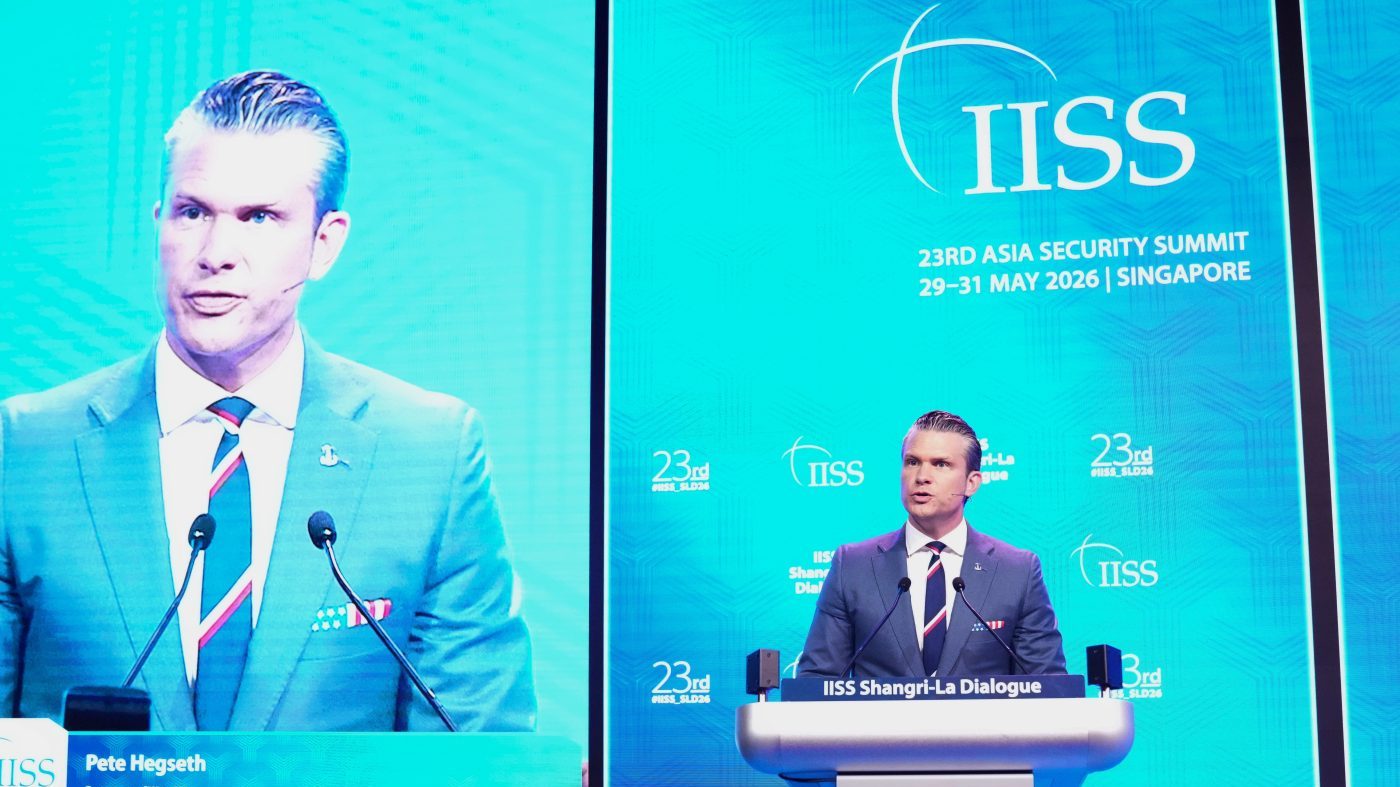
Defense Secretary Pete Hegseth stated on Saturday that the U.S. naval blockade in the Strait of Hormuz is “very much still in place,” as President Donald Trump weighs whether to extend a fragile ceasefire with Iran that would restore access to the critical energy corridor. Hegseth made the remarks during an interview with NewsNation’s Kellie Meyer at the Shangri-La Dialogue security summit in Singapore, where he said the prolonged closure of the strait “came up relatively often” in his discussions with foreign leaders.
“Usually once we talked through it, countries were reassured that the American perspective accounted for that, which it did from the beginning,” Hegseth said. “And that also our view toward energy, I think, will reshape the global map.” The Strait of Hormuz quickly became a flashpoint after Iran imposed restrictions early in the conflict, severely blocking commercial shipping on a route that carries roughly one-fifth of the global oil supply. The U.S. subsequently imposed its own blockade, which has turned around more than 100 commercial vessels and disabled four since mid-April.
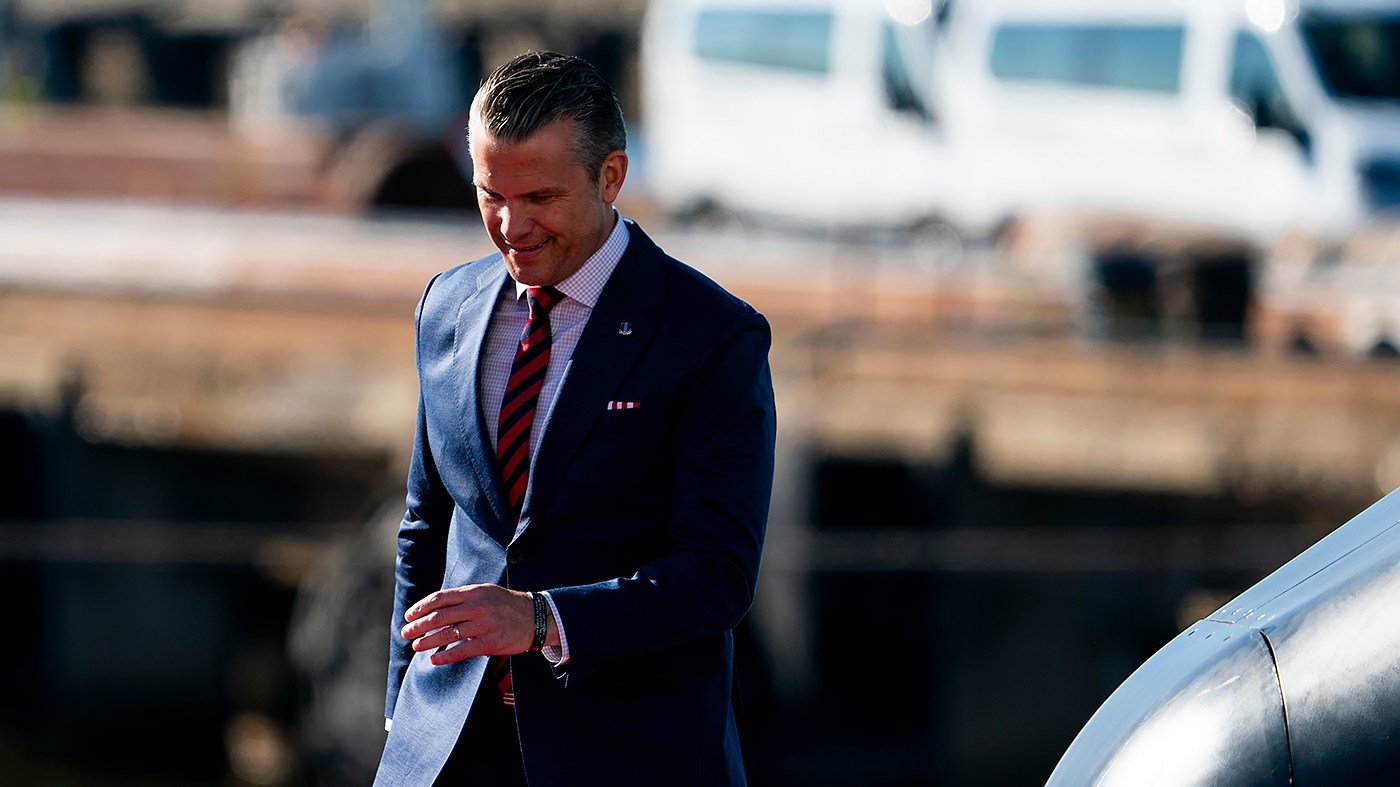
The struggle for control of the waterway has been a major point in U.S.-Iran negotiations and has drawn international warnings about the strain on the global economy. Vietnamese leader Tô Lâm highlighted the risks during a keynote address at the defense summit, stating, “Recent tensions along strategic maritime routes in the Middle East remind us that a single flashpoint can rapidly disrupt trade, energy supplies, logistics and social economic life across the globe.”
Restoring free navigation through the Strait of Hormuz is a central condition of a tentative agreement reached between the two sides this week, aimed at extending the ceasefire by another 60 days. The memorandum of understanding (MOU) would also include a commitment from Tehran not to impose tolls on transiting ships and require the removal of all remaining mines from the waterway within 30 days. In exchange, the Trump administration would gradually lift its naval blockade, according to U.S. sources. Neither side has approved the deal yet.
“It will be an open strait, a toll-free strait that the entire world can use, which is the way it should be,” Hegseth told reporters on Saturday. President Trump said Friday that he was meeting in the White House Situation Room to make a “final determination” on the memorandum, but the two-hour meeting ended without an update. Earlier that day, Trump wrote on Truth Social that Iran must commit to not obtaining a nuclear weapon and that the Strait of Hormuz must be “immediately open, no tolls, for unrestricted shipping traffic, in both directions.”
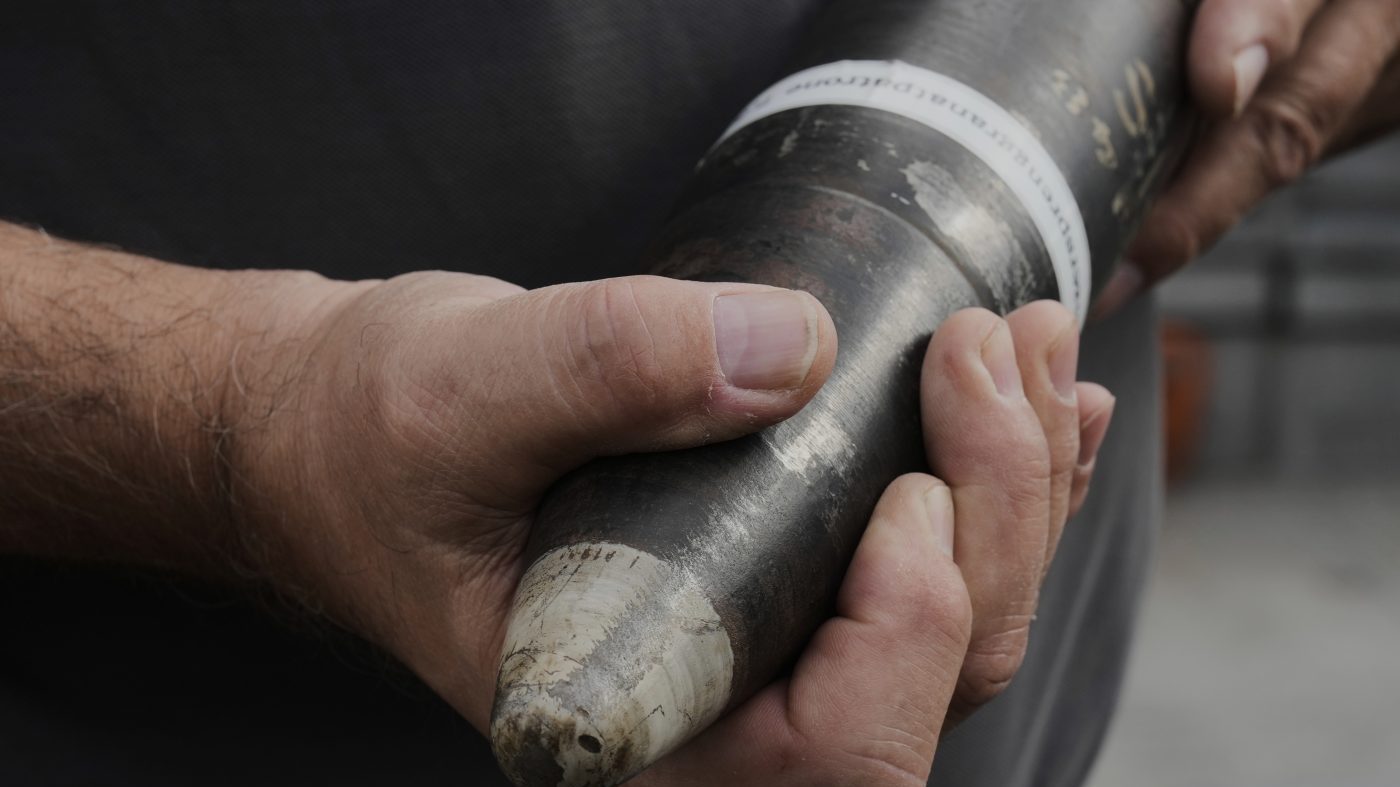
Trump also addressed the issue of naval mines, stating, “All water mines (bombs), if any, will be terminated (we have removed, through detonation, numerous such mines with our great underwater mine sweepers. Iran will complete the immediate removal and/or detonation of any mines that are left, which will not be many!).” The president’s comments come amid broader debate over the administration’s approach to Iran, with some critics questioning the cost of the conflict. For more on the political dynamics, see our analysis on how Iran war hawks are facing a reckoning as Trump seeks a ceasefire.
Meanwhile, the administration continues to face scrutiny on other fronts, including defense and border policy. Hegseth recently rejected claims that the Iran conflict delayed a $14 billion Taiwan arms package, as reported in our coverage of his defense of the timeline. The Strait of Hormuz remains a key test of the administration’s ability to balance military pressure with diplomatic outreach, as global energy markets watch closely for any signs of a breakthrough.