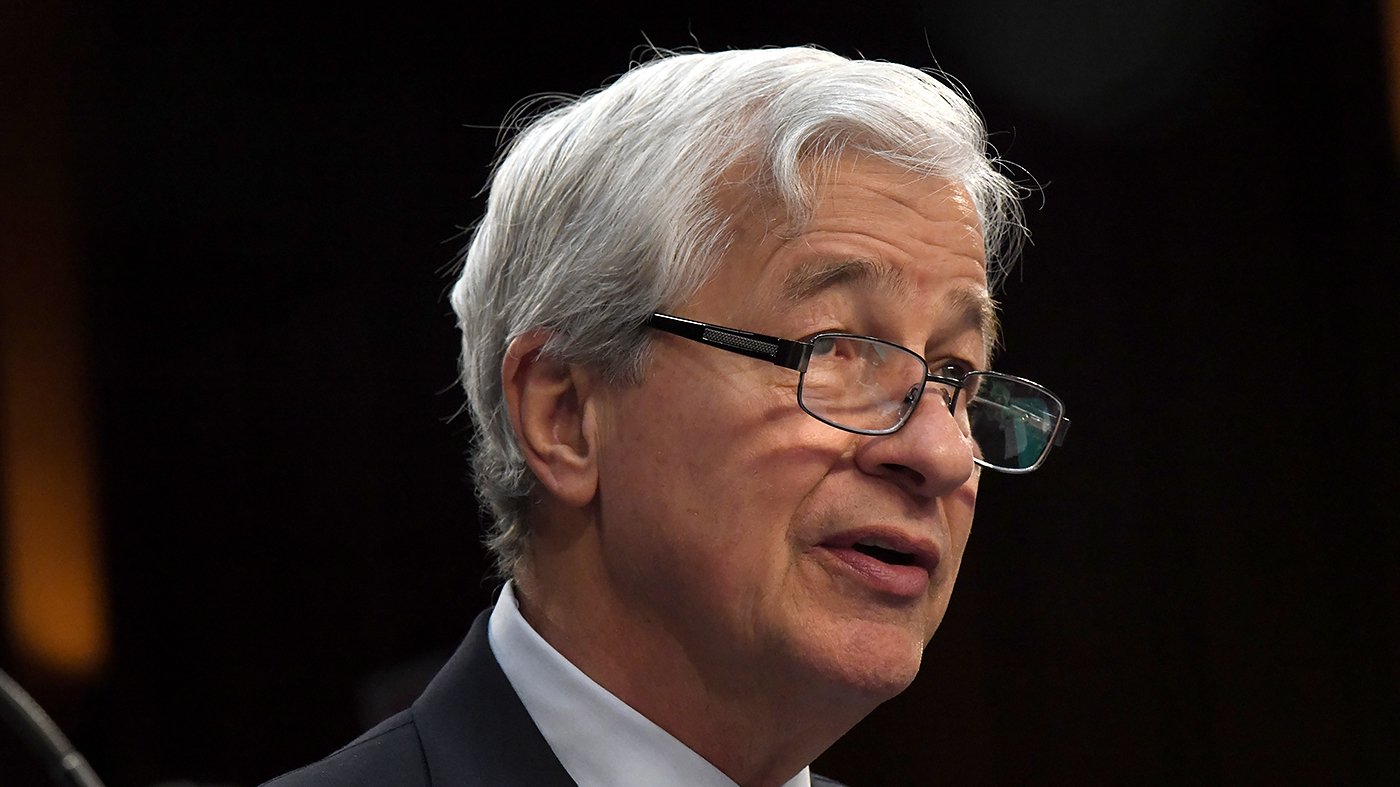
In his annual letter to shareholders, JPMorgan Chase CEO Jamie Dimon issued a stark economic warning, stating that the military confrontation with Iran poses a significant threat to the U.S. economy. He argued that the conflict could fuel persistent inflation and force interest rates higher than markets anticipate, creating conditions that might culminate in a recession.
“A potential spoiler for the economy, possibly by 2026, would be inflation beginning to climb again rather than continuing its decline,” Dimon wrote. “That scenario alone could drive interest rates upward and depress asset values.” He described interest rates as “gravity for nearly all asset prices,” noting that a sudden drop in those prices could rapidly shift market sentiment and trigger a rush toward cash.
Oil Shocks and Supply Chain Reshaping
While acknowledging the U.S. economy's current resilience, with consumers still spending and businesses generally healthy, Dimon highlighted specific vulnerabilities. He pointed to the risk of severe oil and commodity price shocks stemming from the war, alongside a global reshuffling of supply chains. These factors, he cautioned, could make inflation more stubborn and lead to higher borrowing costs.
The warning comes as the strategic Strait of Hormuz remains effectively closed, blocking the transit of roughly one-fifth of the world's oil. This closure has already contributed to higher domestic fuel prices and raises the specter of prolonged financial disruption. The economic stakes of the waterway's status were underscored recently when Senator Marco Rubio cautioned G7 allies about Iran potentially establishing a toll system in the Strait post-conflict.
Political Context and Military Stance
Dimon's economic assessment arrives amid escalating rhetoric from the White House. President Trump recently threatened to intensify attacks on Iranian civilian infrastructure if the regime did not reopen the Strait of Hormuz by a stated deadline. Despite the economic dangers he outlined, Dimon has been clear that the short-term financial risks do not justify ending U.S. military operations.
He expressed frustration with Iran's long-standing regional influence, questioning why the West has tolerated its proxy wars for decades. In his letter, Dimon argued against ignoring the Tehran regime's role in fostering terrorism and causing thousands of deaths, including American casualties. “That threat must be addressed in an appropriate manner... and urgently if Iran ever acquires a nuclear ballistic missile,” he wrote, calling nuclear proliferation the gravest threat to humanity.
Dimon also linked support for global allies as a consistent priority, urging continued military and economic aid to help Ukraine prevail in its war. His comments reflect a broader debate on the conflict's trajectory, as analysts like Steve Bannon have warned CPAC attendees about the potential for an expanded conflict, including a possible ground invasion.
The JPMorgan CEO concluded by noting that the ultimate success of the Iran war, and its economic costs, remain uncertain. “Time will tell whether the current war in Iran achieves our short-term and long-term objectives in the region and at what cost,” he wrote. The situation underscores how global economic chokepoints are defining strategic competition, with the Iran conflict serving as a potent case study in the intersection of geopolitics and finance.