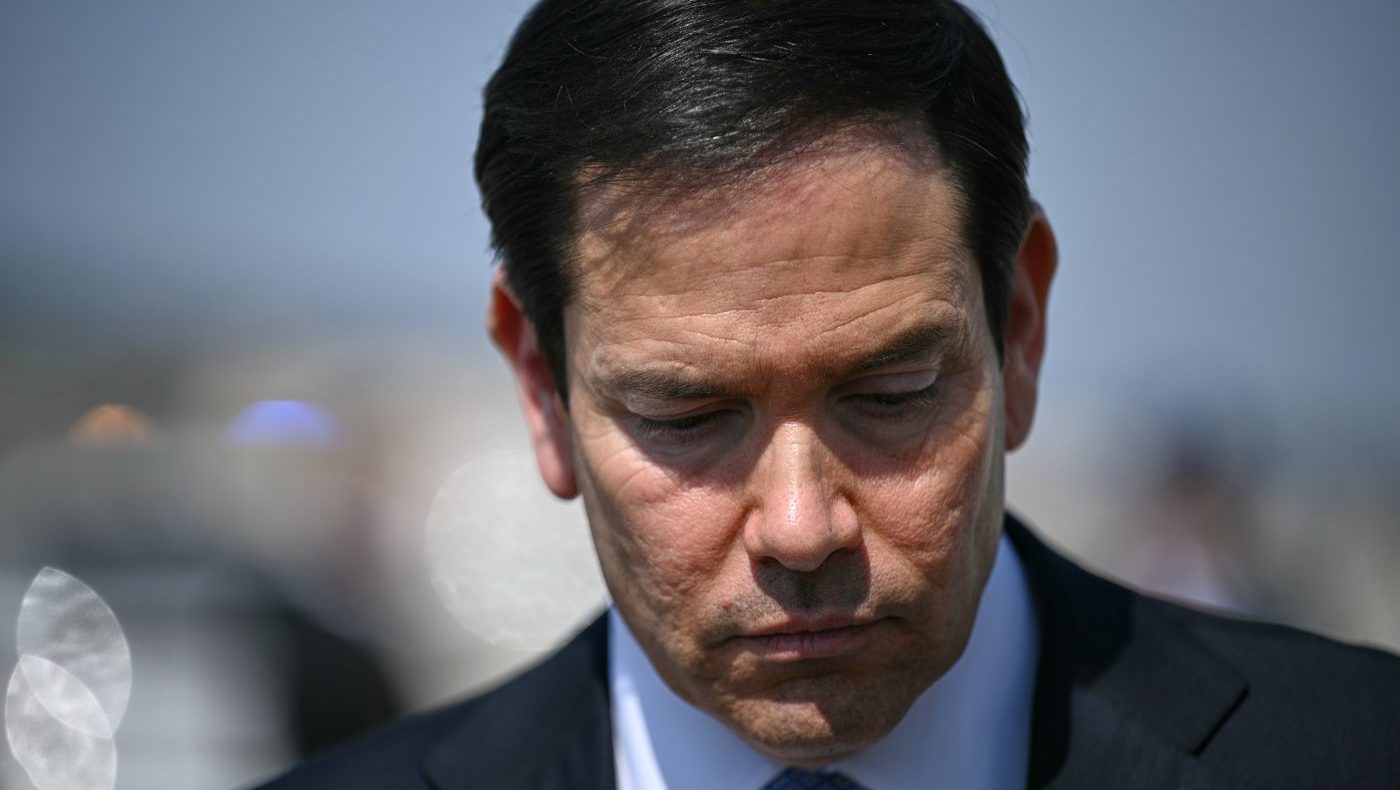
Secretary of State Marco Rubio cautioned America's closest allies on Friday that a major strategic challenge awaits immediately following the conclusion of the ongoing U.S.-Israeli military campaign against Iran: the potential for Tehran to impose an illegal tolling regime on the vital Strait of Hormuz.
Speaking to reporters after meetings with G7 foreign ministers in Cernay-la-Ville, France, Rubio framed the scenario as a direct consequence of the conflict. "I described to our allies that immediately after this ends, and we're done with our objectives, the immediate challenge we'll face is an Iran that may decide to set up a tolling system in the Strait of Hormuz," Rubio stated. He called such an action "not only illegal, it's unacceptable, it's dangerous for the world," and emphasized that "the world must have a plan to confront it."
Shifting Burden to Allies
Rubio outlined a distinct role for the United States in any future response, signaling a shift in burden-sharing. He said Washington "is prepared to be a part of that plan" but would not lead it, insisting that other nations with significant economic stakes must contribute substantially. "These countries have a lot at stake, not just the G7 countries, but countries in Asia and all over the world," he argued, adding that the goal is to ensure no international waterway is "controlled or tolled by a nation-state or by a terroristic government like the one that exists in Iran today."
His warnings come amid ongoing diplomatic friction with G7 partners over the administration's overall strategy. Rubio sought to reassure allies about the conflict's scope, asserting it would not be "prolonged" and that U.S. objectives—destroying Iran's missile capacity, navy, air force, and any nuclear capability—would be achieved "without any ground troops." He noted President Trump has deployed forces to the region to provide "maximum optionality" for various contingencies.
Stalemated Ceasefire Talks
The stark warning arrives as the conflict enters its fifth week with ceasefire negotiations at an impasse. The U.S. submitted a 15-point peace plan involving sanctions relief in exchange for a rollback of Iran's nuclear program and the reopening of the Strait of Hormuz. Iran, through state media, rejected the proposal. Tehran's counteroffer demands recognition of its sovereignty over the strait, a complete end to hostilities, and a halt to attacks on its officials, several of whom—including former Supreme Leader Ayatollah Ali Khamenei—have been killed in U.S. and Israeli strikes.
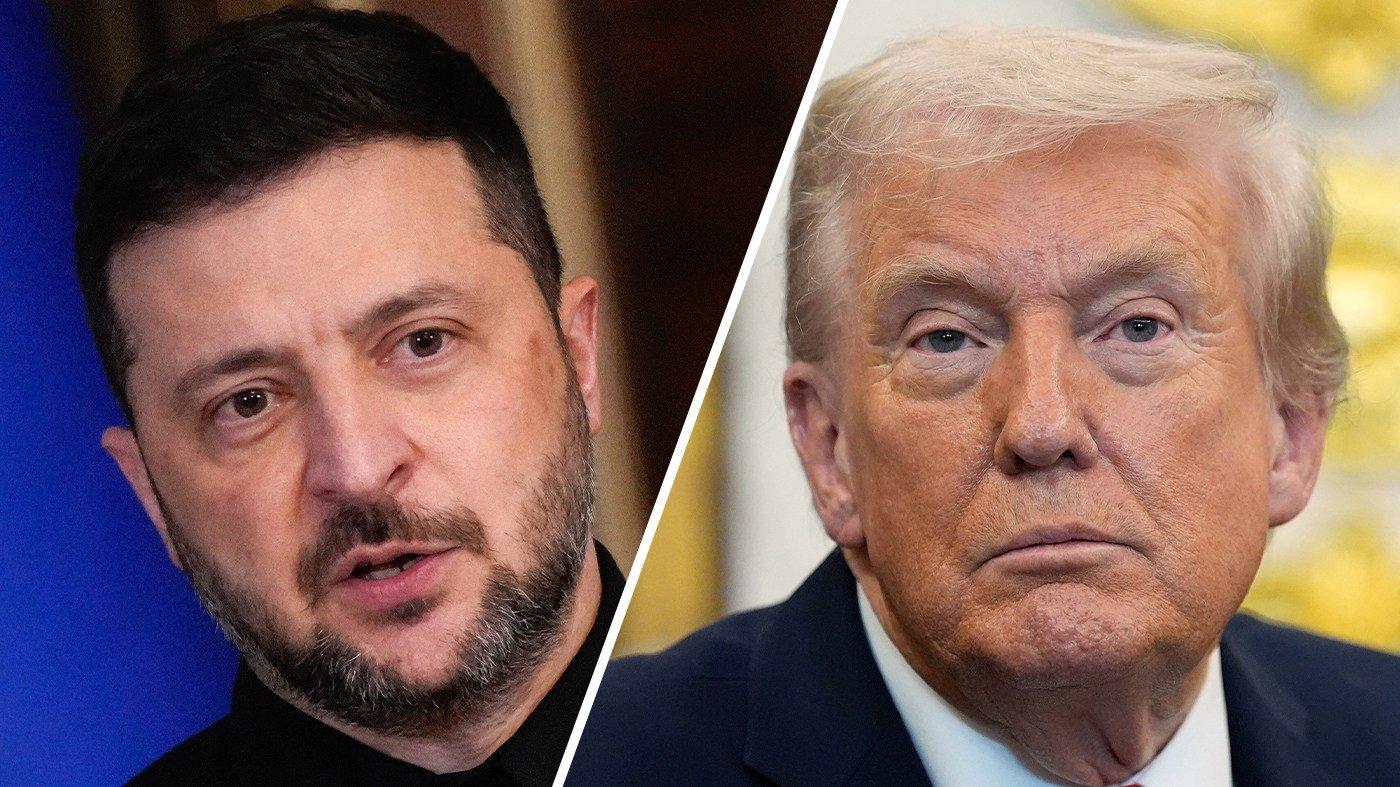
Both sides have hardened their positions. In a sign of escalating resource demands, the Pentagon is reportedly considering diverting weapons originally intended for Ukraine to the Middle East, a move Trump appeared to confirm by stating, "we do that all the time." This reallocation underscores the conflict's strain on global security resources.
Broader Strategic Concerns
The prospect of Iran controlling the Strait of Hormuz—a chokepoint for roughly one-fifth of the world's oil supply—represents a profound threat to global energy markets and economic stability. It echoes broader concerns about strategic competition over the world's critical maritime chokepoints. While some experts, like a former Navy Secretary, argue U.S. naval power could secure the waterway, they often cite a lack of sustained political will as the greater obstacle.
Further complicating the landscape, U.S. officials allege Russia is providing Tehran with satellite imagery, intelligence, and is near completing a shipment of drones and humanitarian aid, according to a Financial Times report. This external support could bolster Iran's capacity to project power in the Gulf region long-term.
Rubio's public framing of the post-conflict challenge appears designed to galvanize international consensus and preemptively assign responsibility. By declaring the U.S. will not unilaterally lead the response to a potential Iranian toll system, he places direct pressure on European and Asian allies whose economies are most vulnerable to disruption in the Strait. The warning serves as a stark reminder that military conclusions can birth new geopolitical crises, demanding coordinated diplomatic and strategic foresight that some critics argue has been absent. As some lawmakers have warned, a vague strategy risks perpetual escalation.