Lawmaker Accuses Administration of Withholding Critical War Details
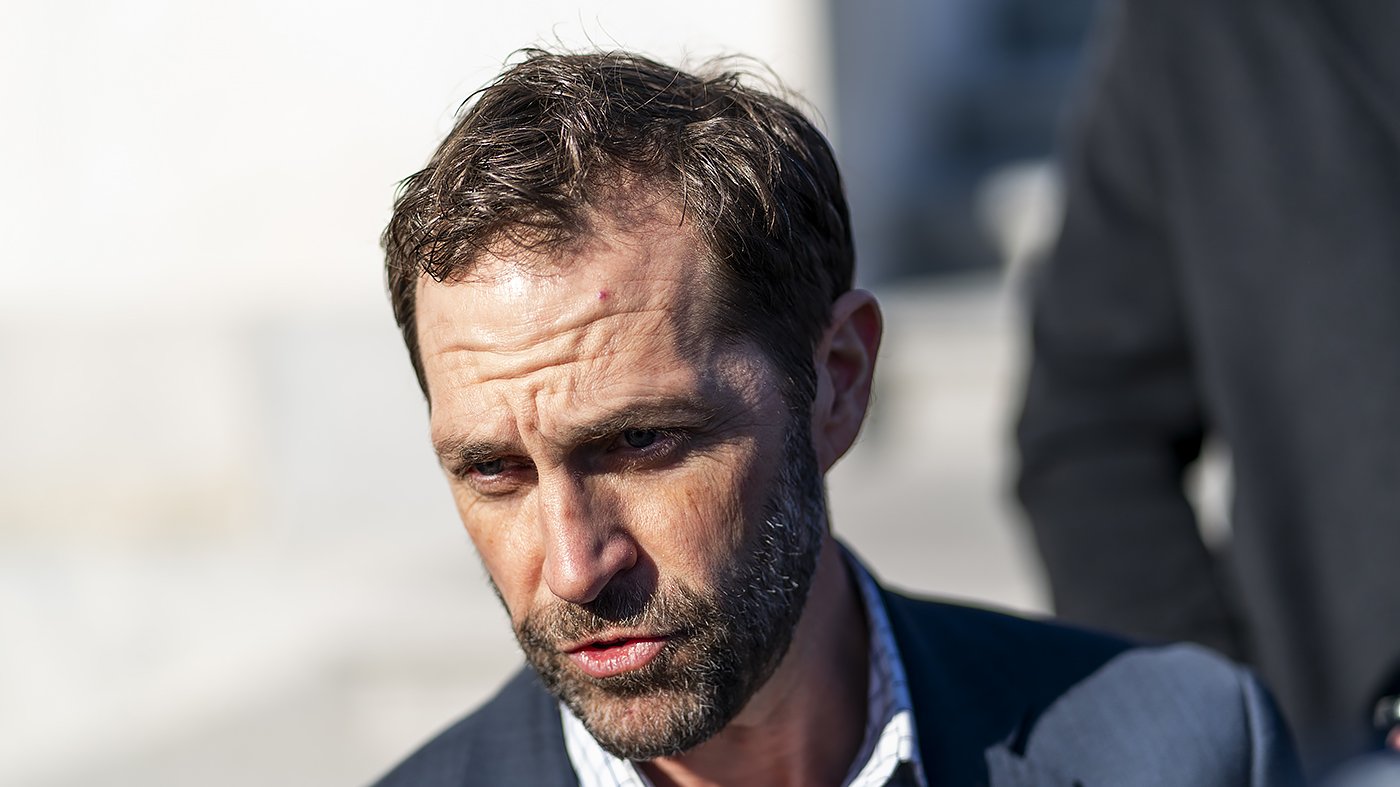
Democratic Congressman Jason Crow of Colorado launched a sharp critique against the Trump administration Thursday, accusing defense officials of failing to provide Congress with adequate information about ongoing military operations against Iran. The criticism comes amid escalating regional attacks and conflicting statements from President Trump about diplomatic progress.
Crow, a former Army Ranger who served with the 82nd Airborne Division in Iraq, described a recent House Armed Services Committee briefing as deeply inadequate. "They rolled in and read off of a script and didn't tell us the basic answers to questions that we had about how we're going to protect our troops, what is the mission, or what is happening over there," Crow said during an interview on NewsNation.

The lawmaker characterized the administration's approach as more than just frustrating. "It is not just insulting. It's dangerous," he told host Elizabeth Vargas, emphasizing that sending service members into conflict requires clear strategic objectives.
Bipartisan Skepticism Grows Over Military Buildup
Concerns are mounting on Capitol Hill about the potential for American ground troop deployment in what has become a nearly month-long conflict. These worries stem from a significant military buildup in the Middle East and a substantial $200 billion supplemental funding request from the Pentagon. The skepticism crosses party lines, with Republican representatives including Lauren Boebert of Colorado and Nancy Mace of South Carolina already expressing opposition to additional war funding.
The military expansion includes thousands of additional Marines, sailors, and elite paratroopers from the Army's 82nd Airborne Division reportedly deploying to join approximately 50,000 U.S. service members already stationed in the region. This escalation occurs despite President Trump's repeated assurances that he does not intend to commit American ground forces.
Crow highlighted the administration's contradictory messaging in a Tuesday statement. "Sending our servicemembers into harm's way is one of the most solemn decisions a President or Congress can make. But President Trump started a war of choice with Iran that is now escalating into another cycle of conflict," he stated, drawing on his military background.
Vague Answers and Strategic Uncertainty
According to Crow, administration officials have provided wildly inconsistent answers to fundamental questions about the conflict's duration and objectives. He reported hearing explanations ranging from "we've already won, we just haven't won enough" to "we'll tell you when we know." This ambiguity has fueled bipartisan frustration that U.S. defense leaders have not clearly articulated their strategic plans or exit strategy.
The congressman also noted some discussion during briefings about a potential return to the Joint Comprehensive Plan of Action (JCPOA), the nuclear agreement negotiated during the Obama administration that required Iran to dismantle its nuclear program. However, he dismissed these mentions as insufficient. "None of those are satisfactory answers," Crow concluded.
Meanwhile, diplomatic channels appear equally murky. Iran has publicly denied involvement in talks with the United States, though both nations have reportedly exchanged ceasefire demands. This diplomatic stalemate coincides with reports suggesting Iran may be gaining strategic advantages as the military campaign faces challenges.
The administration's handling of the conflict has drawn criticism from other quarters as well. Republican Congressman Matt Gaetz has warned against a ground invasion, citing significant economic and national security risks. These internal Republican concerns emerge as Israel vows to escalate its own actions against Iran despite the U.S. extending a pause on strikes against energy infrastructure.
The political ramifications extend beyond foreign policy. The administration's focus on Iran comes amid domestic political shifts, including recent Democratic victories in traditionally Republican districts that signal potential changes in the political landscape as midterm elections approach.