Strategic Reversal in Persian Gulf Conflict
The United States finds itself in a deteriorating strategic position in its conflict with Iran, with Tehran now controlling the pace and terms of engagement. What began as a U.S.-led military campaign has transformed into a scenario where Iran holds substantial leverage, particularly through its continued dominance of the Strait of Hormuz. This reversal represents a significant failure in American foreign policy execution.
Military and Economic Consequences
Despite extensive American and Israeli airstrikes, Iran maintains operational control over the Persian Gulf's crucial waterways. The Islamic Republic retains the capacity to attack maritime traffic and destroy regional infrastructure at will, supported by substantial missile inventories, drone fleets, and one of the world's largest naval mine arsenals. Iran's March 18 strike on Qatar's LNG facilities—which eliminated 17% of the country's production capacity—proved a turning point, forcing Washington into a defensive posture and effectively ceding initiative to Tehran.
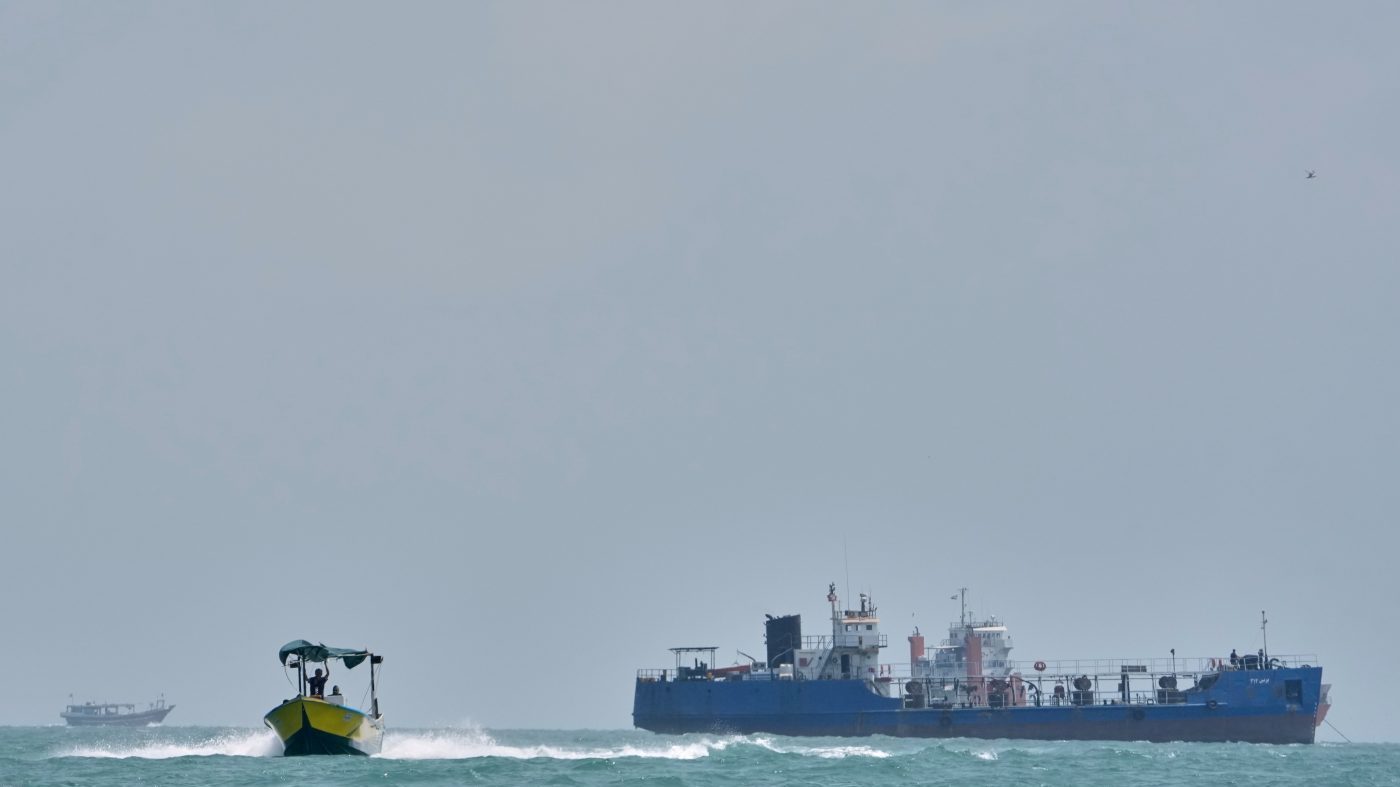
The economic ramifications have been severe. By closing and then selectively reopening the Strait of Hormuz, Iran has instituted a de facto toll system, currently charging vessels approximately $2 million for passage. Analysts suggest Tehran could eventually impose per-barrel oil fees that would approximate its pre-war petroleum revenues. Meanwhile, global energy markets remain volatile, with the threat of $150-per-barrel oil constraining international response options.
Diplomatic Realignment
Perhaps most strikingly, the conflict has shattered Iran's diplomatic isolation. By permitting "non-hostile" nations transit rights through the Strait, Tehran has undermined the U.S. sanctions regime and created divisions between Washington and traditional allies. Future negotiations to conclude hostilities will likely involve the European Union, Russia, and China—a scenario that represents a profound shift from the previous U.S.-led isolation strategy maintained across multiple administrations.
This diplomatic erosion coincides with continued regional tensions as Israel signals potential escalation despite American pauses in strikes on energy infrastructure. The administration's contradictory messaging has further complicated the situation, with Secretary of State Blinken publicly disputing President Trump's assertion that he endorsed military action against Iran.
Administration Disarray
The Trump administration has struggled to articulate coherent war objectives or a consistent rationale for the initial engagement. Internal decision-making processes appear fragmented, with policy reportedly driven by presidential repetition rather than strategic deliberation—a dynamic highlighted in recent reporting describing an unofficial rule where presidential requests become policy after being mentioned twice.
President Trump's recent statements have further complicated resolution prospects. He has suggested he would personally select Iran's leadership and negotiation team while threatening attacks on civilian power infrastructure—actions that would constitute war crimes. The president has also made unsubstantiated claims about existing negotiations and Iranian concessions, including abandonment of nuclear programs, despite no direct talks currently occurring.
The administration's foreign policy challenges extend beyond Iran, with Congressional opposition forcing emergency measures in domestic security funding and political resistance mounting against immigration operations. These domestic pressures coincide with the international predicament, reflecting broader governance difficulties.
Strategic Implications
Iran has effectively adopted the Trump administration's "might makes right" approach to international relations, applying it to control of strategic waterways. The result is a transformed regional power dynamic where Tehran, despite physical infrastructure damage, emerges with enhanced military credibility, new revenue streams, and broken diplomatic isolation.
The United States now faces the prospect of either accepting a negotiated settlement on terms favorable to Iran or pursuing a high-casualty military operation to reopen the Strait—an action that would not guarantee resumed shipping given Iran's persistent asymmetric capabilities. This strategic predicament marks a significant departure from decades of American Gulf policy and represents one of the most consequential foreign policy reversals in recent memory.