AAA is forecasting a record-breaking 45 million Americans will travel at least 50 miles from home during the 2026 Memorial Day weekend, from May 21 through May 25. That figure edges past the 2025 total, signaling that the traditional start-of-summer travel surge continues to strengthen despite economic headwinds.
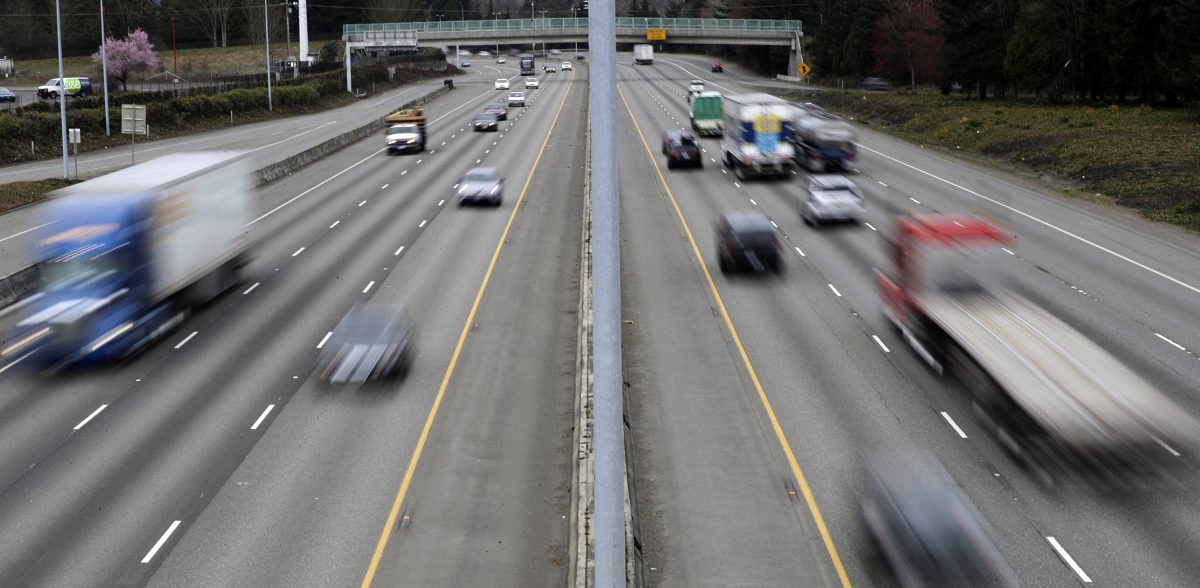
The vast majority — 39.1 million — are expected to drive. But those hitting the road will face the highest gasoline prices since 2022, according to AAA data. The agency warns that the heaviest congestion will hit on May 21 and May 22 between 3 p.m. and 6 p.m., and again on the afternoon of May 25. Sunday is projected to be the lightest traffic day of the holiday weekend.

Air travel is also set to climb, with 3.66 million people — about 8% of all travelers — expected to fly. The good news for fliers: round-trip domestic airfares are running 6% cheaper than last year. That discount may help offset the sting of higher fuel costs for drivers, though some travelers are also turning to buses, trains, and cruises, which AAA says are seeing increased bookings.
“Memorial Day marks the unofficial start of summer, and for most Americans, it’s a three-day weekend,” said Stacey Barber, vice president of AAA Travel. “Travel demand remains strong, and despite higher fuel prices, many people are prioritizing leisure travel during holiday breaks.”
AAA’s booking data reveals the top domestic destinations for 2026: Orlando, Seattle, New York, Las Vegas, Miami, San Francisco, Anchorage, Chicago, Denver, and Boston. On the international side, travelers are heading to Rome, Vancouver, Paris, London, Athens, Dublin, Barcelona, Southampton, Amsterdam, and Edinburgh.
The record forecast comes as the transportation sector grapples with its own challenges. The FAA’s summer flight cap at O’Hare has sparked debate over whether operational limits are politically motivated, while the TSA’s new discounted PreCheck program for travelers under 30 aims to ease airport bottlenecks. Meanwhile, Buc-ee’s travel centers are expanding despite construction delays, offering drivers more pit-stop options along major routes.
For policymakers, the travel surge underscores the resilience of consumer spending even as inflation pinches household budgets. The higher gas prices in particular could become a political talking point heading into the summer, with energy policy and fuel costs likely to feature in congressional debates. As Americans gear up for the long weekend, the record numbers suggest that the desire to travel — and to spend on experiences — remains a powerful economic force.