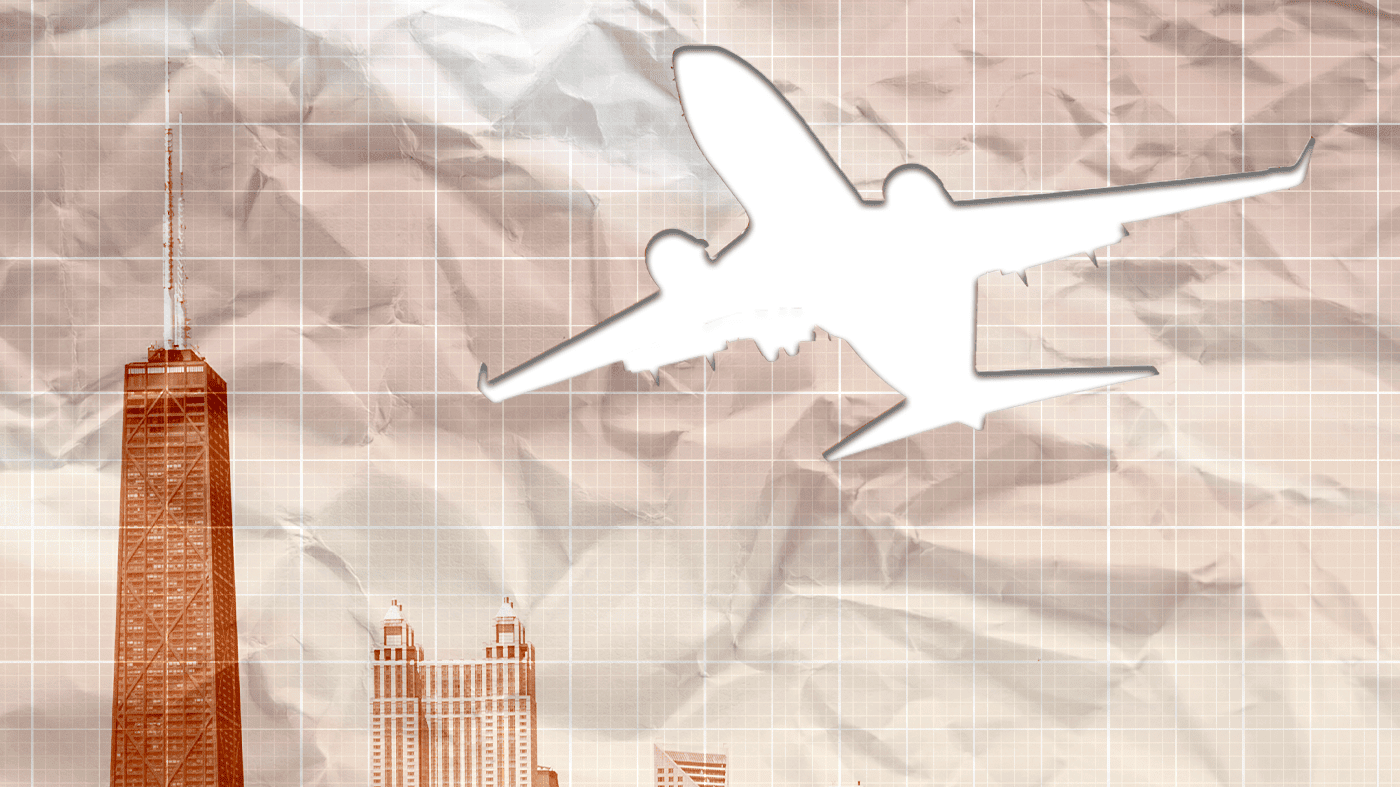
The Federal Aviation Administration has mandated that Chicago's O'Hare International Airport slash its daily flight operations this summer, a move that has ignited a fierce debate over whether the measure is a practical solution to chronic delays or a politically motivated attack on the city.
Under the new rule, O'Hare will be limited to 2,708 takeoffs and landings per day between May 17 and Oct. 24, down from the 3,080 flights scheduled on peak days during the busy travel season. The FAA argues the cap is necessary to mitigate delays, which are defined as arrivals more than 15 minutes late. But critics, including some local officials, are asking: Is this just partisan politics levied against Chicago?
The Stakes for Airlines and Passengers
O'Hare is the nation's busiest airport by flight operations, handling over 857,000 takeoffs and landings in 2025—about 2,350 per day. With eight runways capable of operating four simultaneously in ideal weather, the airport is a critical hub for American Airlines and United Airlines, which together control roughly 88 percent of its traffic. These two carriers will bear the brunt of the cuts.
Conventional wisdom suggests trimming regional jet flights—smaller aircraft serving nearby cities—would be less disruptive than cutting large jets with 200-plus passengers. But that logic may be flawed. More than half of O'Hare's passengers are connecting, so reducing small-plane service could ripple through the entire network, affecting even full-sized flights.
United has already announced plans to launch new routes this summer to smaller communities like Champaign and Bloomington, Ill.; Kalamazoo and Lansing, Mich.; and La Crosse, Wis. Those services are now at risk. The cuts also threaten United's ambitions to become the dominant Midwest hub, intensifying the ongoing rivalry between American and United CEOs for O'Hare supremacy.
Weather, Not Schedule, Is the Real Culprit
The core problem with the FAA's approach, experts argue, is that it applies a blanket daily reduction when the primary cause of delays is weather. During summer, thunderstorms frequently roll through the Chicago area, reducing visibility and limiting runway capacity. Lightning can trigger a full ground stop.
From June through August, Chicago averages about 19 thunderstorm days—roughly one-fifth of the season. Yet other major hubs face worse conditions. Houston and Denver, both United hubs, average 28 and 29 thunderstorm days respectively—50 percent more than Chicago. Atlanta, a Delta hub and the busiest airport by passenger volume, sees about 26. That disparity has led some to question whether politics is influencing the FAA's decision. Illinois leans Democratic, while Texas, Colorado, and Georgia lean Republican or swing.
“Why punish the airlines and their flyers every day when delays may only occur on just a few days each month?” asks Sheldon H. Jacobson, a computer science professor at the University of Illinois Urbana-Champaign who studies data-driven public policy. He argues that if passenger delays were the metric, Atlanta would be a more logical target for cuts.
A Better Solution: Modernization, Not Cuts
Jacobson contends that the FAA should focus on upgrading air traffic control systems and hiring more controllers rather than imposing rigid flight caps. A well-staffed, modern system would allow O'Hare and other major hubs to operate safely and efficiently regardless of weather.
The FAA's mandate comes amid broader scrutiny of aviation policy. Recent staffing shortages at the TSA have already strained airport security ahead of major events, and a bipartisan bill targeting eased Russia oil sanctions shows that partisan divides are not limited to domestic aviation. The question remains whether the O'Hare cap is a genuine safety measure or another flashpoint in the nation's political wars.
Ultimately, allowing airlines to adjust schedules dynamically—rather than imposing across-the-board cuts—would better serve passengers and the economy. As Jacobson puts it, “Making flight reductions that apply every day is unnecessary.”