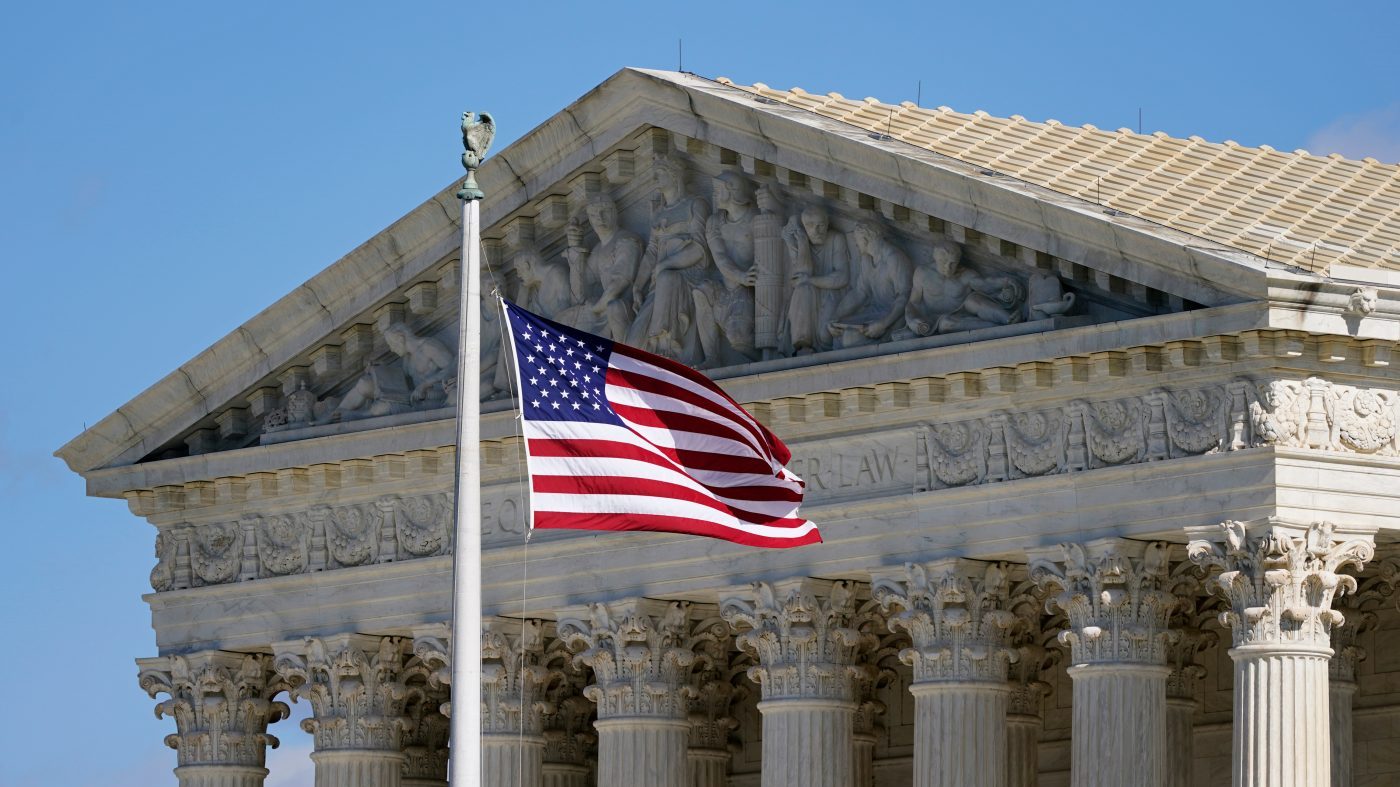
The Supreme Court convened Wednesday morning to consider the Trump administration’s push to dismantle key protections for noncitizens from countries deemed too dangerous for return. At issue is the Temporary Protected Status (TPS) program, which shields individuals from deportation when their home nations face war, natural disaster, or other crises.
President Donald Trump, escalating his immigration enforcement agenda, seeks to end TPS designations for 13 of the 17 countries currently covered. Wednesday’s oral arguments zeroed in on two specific nations: Haiti and Syria. The administration argues that conditions in those countries no longer warrant continued protection, despite ongoing instability.
The session began at 10 a.m. EDT, with justices grilling both sides on the scope of executive authority over immigration relief. The case carries high stakes for roughly 1.3 million TPS holders nationwide, many of whom have lived and worked in the United States for years. A separate analysis details how the ruling could reshape deportation risks for these communities.
Supporters of the program argue that terminating TPS for Haiti and Syria would force individuals back into active conflict zones. Haiti remains gripped by gang violence and political chaos, while Syria’s civil war continues to claim lives. Opponents counter that the law gives the executive branch broad discretion to reassess country conditions.
The Trump administration’s legal team contends that the original rationale for TPS—temporary relief from unsafe conditions—no longer applies in these cases. They point to improvements in Haiti’s security situation and the defeat of ISIS in Syria as grounds for ending the designations. Critics, however, note that the State Department’s own travel advisories still warn against travel to both countries.
This case is part of a broader legal battle over immigration policy during Trump’s tenure. The administration has also pursued stricter asylum rules, travel bans, and increased detention capacity. The Supreme Court’s eventual ruling will set a precedent for how much power the president holds over humanitarian protections.
Outside the courthouse, advocacy groups rallied in support of TPS recipients, chanting slogans like “Protect our neighbors.” Inside, justices pressed both sides on whether the president’s decision must be based solely on objective country conditions or can include broader policy considerations. A decision is expected by late June.
For now, TPS holders in the United States remain in legal limbo. Many have built families, careers, and lives under the assumption that their protected status would continue. If the court sides with the administration, deportation proceedings could begin for hundreds of thousands of people.