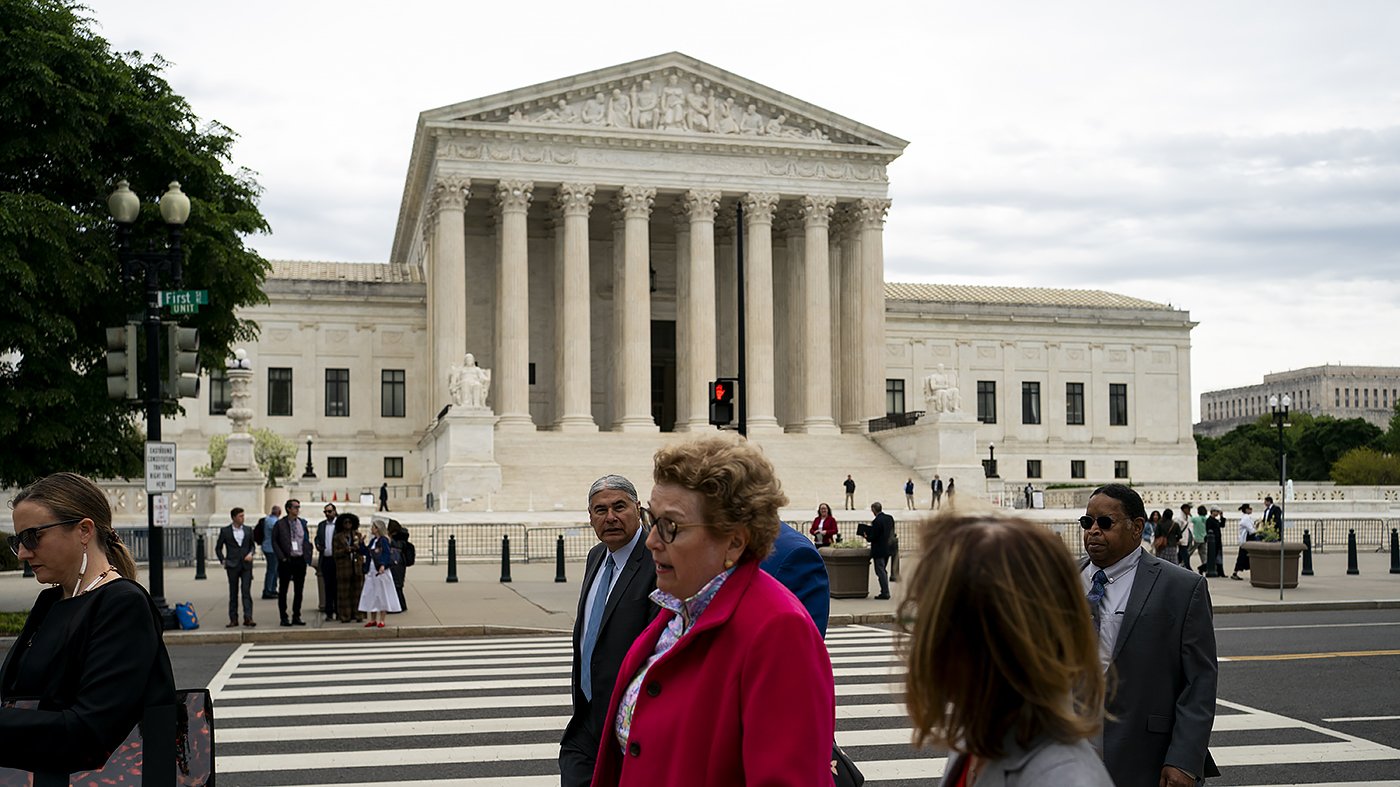
The Supreme Court is set to hear oral arguments Wednesday in a pivotal case that could reshape the Trump administration's immigration crackdown. At issue is the president's effort to dismantle Temporary Protected Status (TPS), a program that shields nearly 1.3 million foreign nationals from deportation and grants them work permits.
TPS, created by Congress in 1990, offers temporary safe harbor to people from countries ravaged by armed conflict, natural disasters, or other extraordinary conditions. The Trump administration moved to terminate designations for 13 of the 17 countries currently covered, arguing they no longer meet the statutory criteria. The remaining four—El Salvador, Lebanon, Sudan, and Ukraine—are set to expire later this year.
Solicitor General D. John Sauer will argue that federal judges overstepped their authority by blocking the terminations. In court filings, Sauer wrote that such intervention "impermissibly allow[s] courts to second-guess national-security judgments and decision-making processes that the Constitution vests in the President." He contends the statute unambiguously bars judicial review of these decisions.
The case arrives as Trump has publicly lambasted the high court for striking down his emergency tariffs and for signaling skepticism toward his birthright citizenship restrictions. The president's fury has not deterred his administration from bringing another key immigration battle before the justices. This week's arguments center specifically on the removal of Haiti and Syria from TPS, but the administration has also targeted Afghanistan, Cameroon, Ethiopia, Honduras, Myanmar, Nepal, Nicaragua, Somalia, South Sudan, Venezuela, and Yemen.
Immigrant advocates and TPS holders have sued, alleging racial animus and procedural failures by former Homeland Security Secretary Kristi Noem. In their filings, challengers argue that "Congress enacted the TPS statute to constrain unbridled Executive power." They contend the law grants the secretary broad discretion to initially designate countries but "tightly constrains decision-making after designation has occurred."
The Supreme Court has already intervened twice on its emergency docket to allow the administration to curtail protections for Venezuelans. Those were temporary orders, and lower courts continued to block the broader termination push. Now the Justice Department is seeking a final ruling.
Political observers note the timing: Trump has lashed out at the court for its invalidation of his emergency tariffs and his anticipation they'll do the same on his birthright citizenship restrictions. Yet his administration is now asking the justices to greenlight a central plank of his immigration agenda. The case also unfolds against a backdrop of other Trump administration moves, including halting federal funding for fentanyl test strips and Senate GOP blocking a bid to curb military action on Cuba.
A decision is expected by the end of June, with implications for hundreds of thousands of people and the broader balance of power between the executive and judiciary on immigration policy.