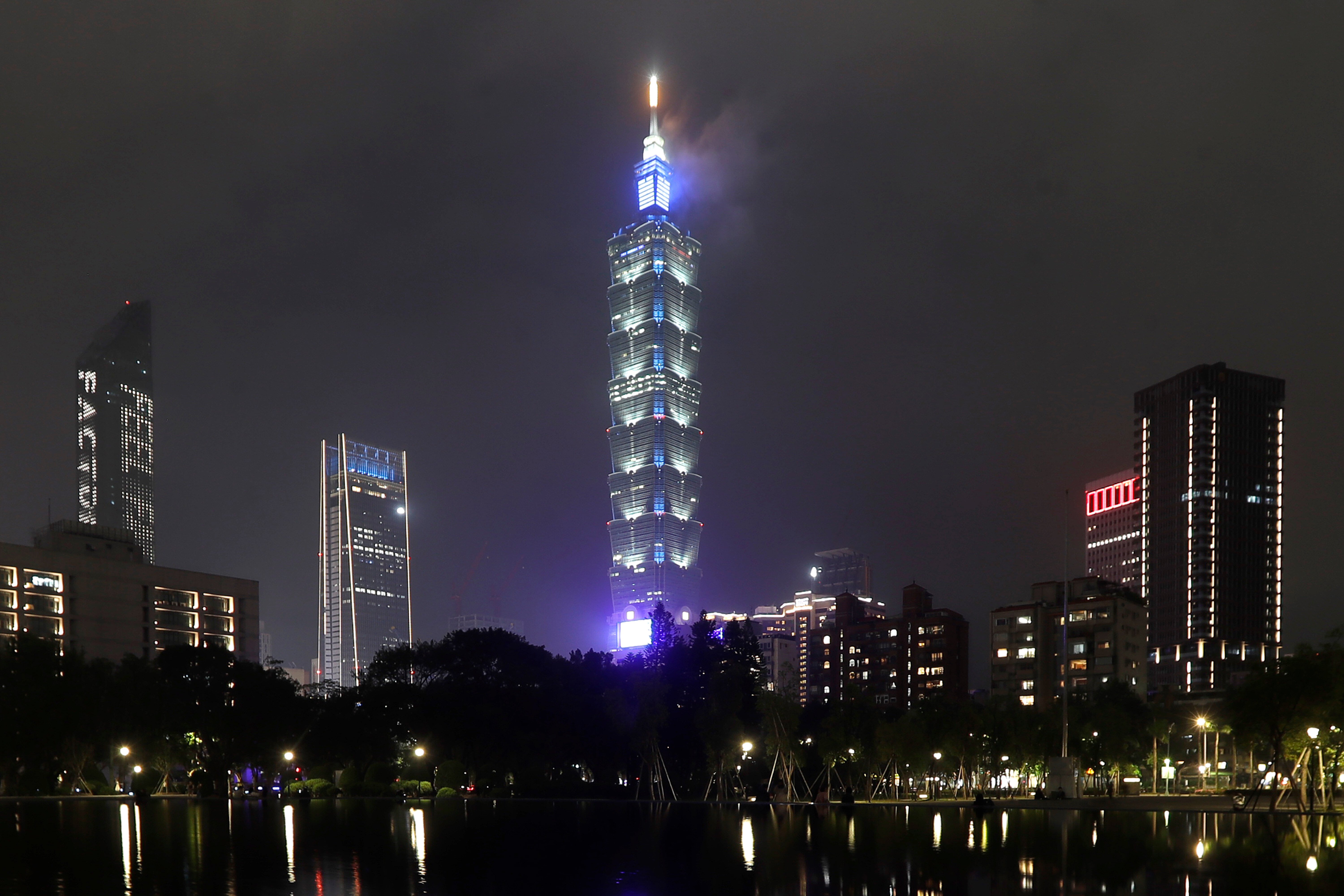
The ongoing confrontation with Iran serves as a stark reminder of why Washington cannot afford to neglect its strategic interests in the Western Pacific. The lesson from the Middle East is clear: allies are indispensable to American military, economic, and technological strategy. Taiwan stands out as a critical partner that contributes meaningfully to U.S. grand strategy.
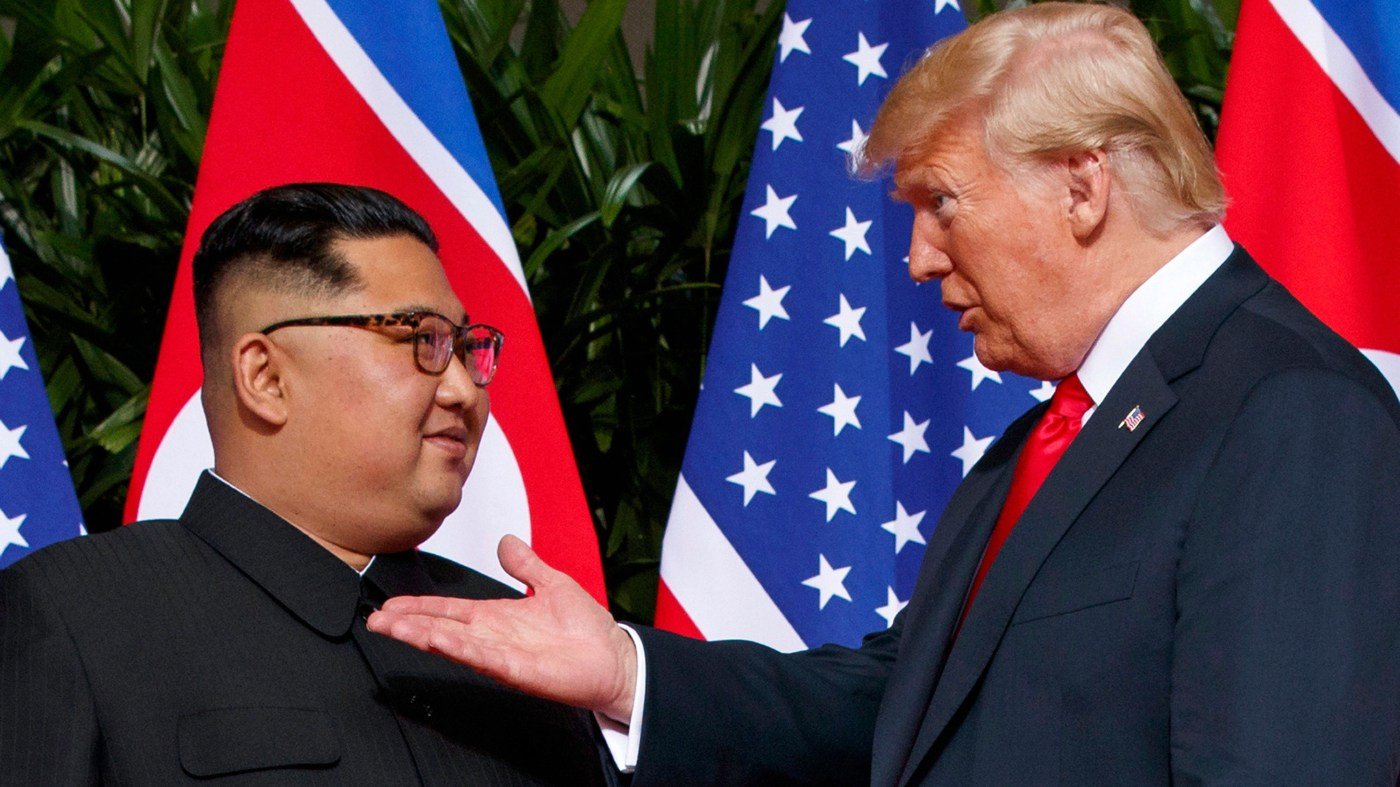
President Trump must resist the temptation to downplay this partnership in exchange for short-term goodwill from Beijing ahead of his scheduled May meeting with General Secretary Xi. The U.S.-Taiwan relationship is notably more balanced than those with many European allies, despite persistent claims that Taipei must become a fortress before earning American support.

Over the past two years, Taiwan has moved beyond rhetoric to substantially upgrade its capabilities, focusing on surviving the initial wave of a Chinese attack. By hardening defenses and embracing asymmetric warfare, Taipei aims to blunt a Chinese offensive and buy the U.S. precious time for a coordinated response. This is evident in Taiwan's shift to a “porcupine” strategy.
In July 2025, the Ministry of National Defense announced plans to procure nearly 50,000 drones by 2027, aiming to turn the Taiwan Strait into an “unmanned nightmare” for any invading fleet. Taiwan's semiconductor manufacturing advantages give its domestic drone industry deep potential. Concurrently, Taipei is investing heavily in mobile anti-ship missiles, indigenous minelaying ships, and naval drones designed to survive initial barrages and keep operating after traditional assets are neutralized.
Beyond the battlefield, Taiwan is reshaping its economic ties. For the first time in 26 years, the U.S. imported more goods from Taiwan than from China last year, and the U.S. became Taiwan's largest export partner for the first time in a quarter-century. This is a strategic bet on the American relationship, one that would be strengthened by clearing procedural hurdles to the Agreement on Reciprocal Trade and Investment, which would cap tariffs on Taiwanese exports and open Taiwan's markets to U.S. products. Cooperation on artificial intelligence would also benefit from dialogues like the Economic Prosperity Partnership held in January.
The centerpiece of bilateral economic and security ties remains the massive growth of the semiconductor ecosystem in the U.S. Taiwan Semiconductor Manufacturing Company's investment in Arizona has expanded to $165 billion, with its first fab entering high-volume production in late 2024. This ensures that the most advanced chips for U.S. defense and AI are no longer concentrated in a single point of failure in the Western Pacific. The February 2026 Taiwan-U.S. trade deal reinforced this cooperation, bringing Taiwanese tech giants into active industrial capacity building on American soil.
Washington should now move toward multi-year procurement and joint-production agreements for unmanned systems. Rather than waiting for U.S. factories to clear backlogs, licensing Taiwanese drone designs for production in the U.S.—and vice versa—would create a shared “unmanned industrial base” that bypasses the slow Foreign Military Sales process. Second, the U.S. should accelerate Taiwan's integration into its supply chain by finalizing the U.S.-Taiwan 21st Century Trade Initiative's remaining chapters, removing duties and tax hurdles that penalize Taiwanese investment. This would help move secondary and tertiary suppliers essential for a truly independent semiconductor ecosystem on American soil.
Finally, the U.S. should support a regional Maritime Contingency Fund, where Taiwan contributes financially to hardening military infrastructure in neighboring nations like the Philippines. This would transform Taiwan from a passive security recipient into an active financier of collective defense in the First Island Chain, proving it is a net contributor to regional stability.