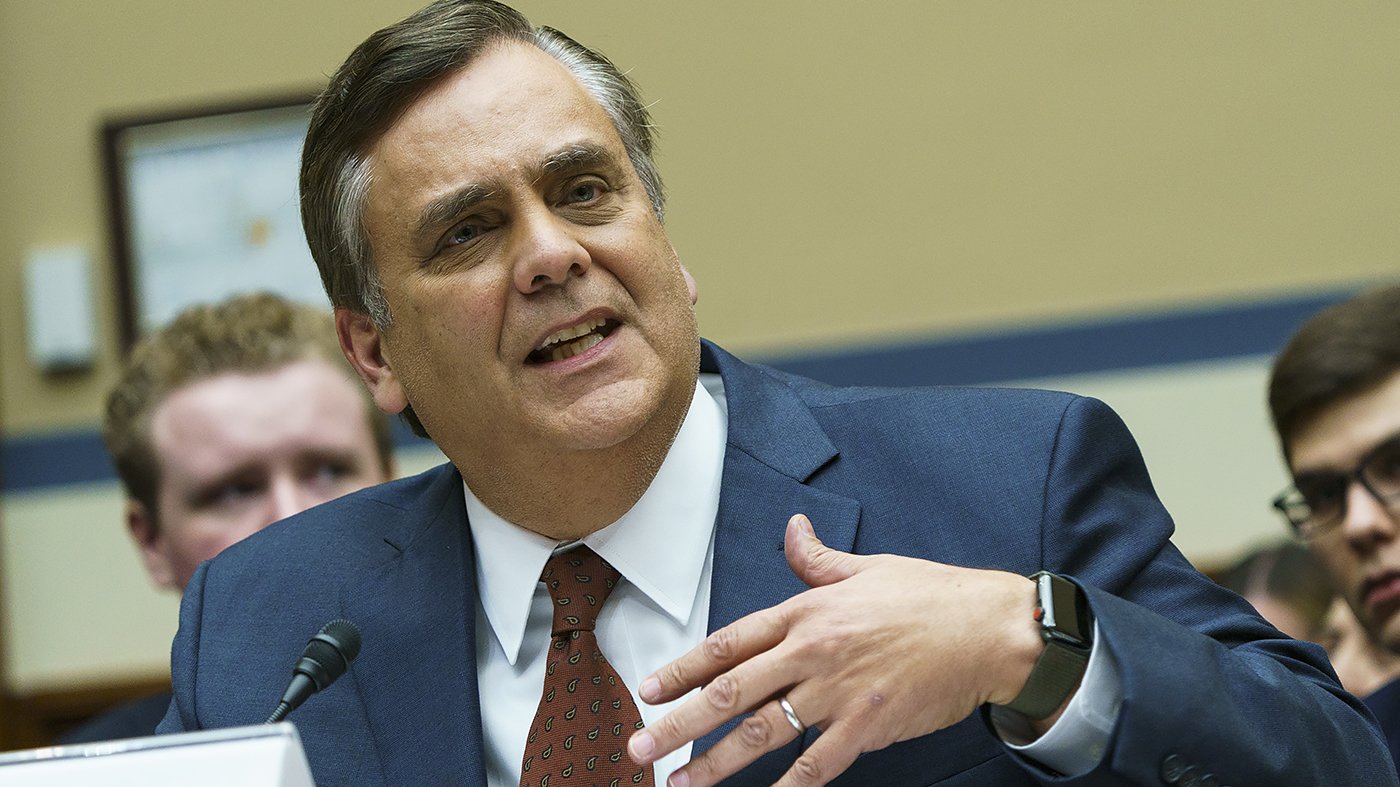
Fox News legal analyst Jonathan Turley has raised alarms that the Department of Justice's decision to charge former FBI Director James Comey over a seashell photograph could set a dangerous precedent for free speech. In an opinion piece published Tuesday, Turley argued the indictment creates a “free speech trap” that may ultimately expand First Amendment protections for what he calls “shell speech.”
The controversy centers on a photo Comey posted last May on social media, showing seashells arranged on a beach to display the numbers “86-47.” President Donald Trump, the 47th president, quickly interpreted the post as a call for his assassination. “He knew exactly what that meant,” Trump told Fox News last year. “A child knows what that meant. If you’re the FBI director and you don’t know what that meant, that meant assassination.”

The Justice Department secured a second indictment against Comey, charging him with knowingly threatening the life of the president. The indictment states that Comey “did knowingly and willfully make a threat to take the life of, and to inflict bodily harm upon, the President of the United States.” The DOJ announced the new charges in a live press conference that drew sharp reactions from legal experts and political commentators.
Turley, however, warned that the case is legally shaky. “Comey will now likely create a new category of protected shell speech,” he wrote. “The problem with this indictment will be the merits. The indictment concerns an image that was later removed by Comey showing ‘86 47’ in shells on a beach. Comey has a rather odd history of drawing inspiration from shells.”
The former FBI director has defended the post, calling the charges “not who we are” in a statement slamming the indictment. He argues the image was misunderstood and that his intent was not threatening. The case has reignited debates about the limits of political speech, especially when directed at public figures.
Turley emphasized the First Amendment’s role in protecting unpopular and even hateful speech. “The First Amendment is designed to protect unpopular speech. Popular speech rarely needs protection. It also protects bad and hateful speech. It even protects lies so long as those lies are not used for the purpose of fraud or other criminal conspiracies,” he wrote in his Fox News piece.
The indictment marks a significant escalation in the legal battle between Comey and Trump, who has long accused the former FBI director of political bias. Comey’s legal team is expected to argue that the seashell post was protected political commentary, not a genuine threat. Legal observers say the case could test the boundaries of what constitutes a true threat under current doctrine, potentially influencing how courts handle similar online speech in the future.
For now, the charges have galvanized both supporters and critics. Some see the prosecution as a necessary response to a veiled threat against a sitting president, while others view it as an overreach that could chill political expression. The case is likely to be closely watched as it moves through the courts, with implications for free speech law and the ongoing political rivalry between Comey and Trump.