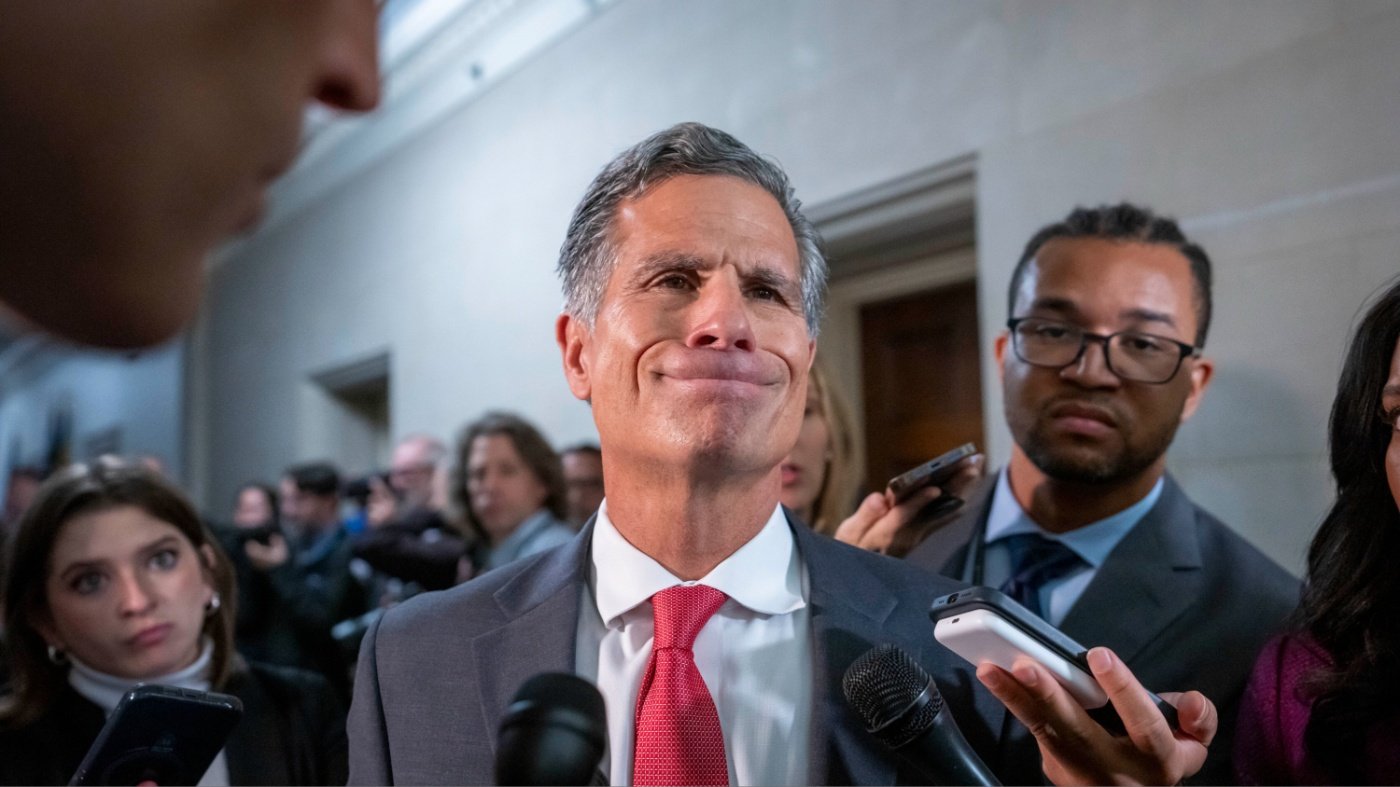
Republican Representative Dan Meuser of Pennsylvania on Tuesday sharply criticized former FBI Director James Comey, arguing that a social media post featuring seashells arranged to read “86-47” amounted to a veiled assassination threat against President Trump. The comments came after the Department of Justice secured a grand jury indictment against Comey, marking the second federal prosecution effort targeting the former law enforcement chief.
Speaking with NewsNation’s Blake Burman on “The Hill,” Meuser did not mince words. “Hey, look, you know, when the former FBI director writes in the sand, 86-47, which means, kill the 47th president, that’s concerning,” he said. “There’s something called dangerous speak. Dangerous speak means it’s worse than hate speak.”
Meuser elaborated that such rhetoric “invokes in others the desire to carry out violent acts,” adding, “And what James Comey put out, yeah, that could certainly be interpreted to mean to carry out violent acts.”
The indictment, unsealed this week, charges Comey with two counts of threatening the president. According to the filing, “The defendant, James Brien Comey Jr., did knowingly and willfully make a threat to take the life of, and to inflict bodily harm upon, the President of the United States.” The charges stem from a photo Comey posted last May, showing seashells on a beach arranged to form the numbers 86 and 47.
President Trump has long interpreted the post as a call for his assassination. In a Fox News interview last year, Trump stated, “He knew exactly what that meant. A child knows what that meant. If you’re the FBI director and you don’t know what that meant, that meant assassination. And it says it loud and clear.”
Legal experts have been divided on the case. Some, like George Washington University law professor Jonathan Turley, have warned that the indictment could set a troubling free-speech trap for prosecutors, as Turley cautioned in his analysis of the charges. Others argue that the context of a former top law enforcement official using coded language merits scrutiny.
Comey himself has pushed back against the charges, decrying them as politically motivated. In a statement, he called the indictment “not who we are” as a nation, as reported in his response to the legal action. The case has reignited debates over the boundaries of political speech and the intent behind symbolic acts.
The DOJ’s decision to bring a second case against Comey, following an earlier prosecution, underscores the ongoing legal and political battles between Trump allies and former intelligence officials. The indictment was announced during a live press conference where prosecutors detailed the evidence, including the now-infamous beach photo.
Meuser’s remarks align with a broader Republican push to hold Comey accountable for what they see as a clear threat. “It means it invokes in others the desire to carry out violent acts,” the Pennsylvania lawmaker repeated, emphasizing the need to take such language seriously.
As the case moves forward, it is likely to test the limits of free speech protections under the First Amendment, particularly when applied to former officials with significant public influence. The outcome could have lasting implications for how threats against the president are prosecuted in the digital age.