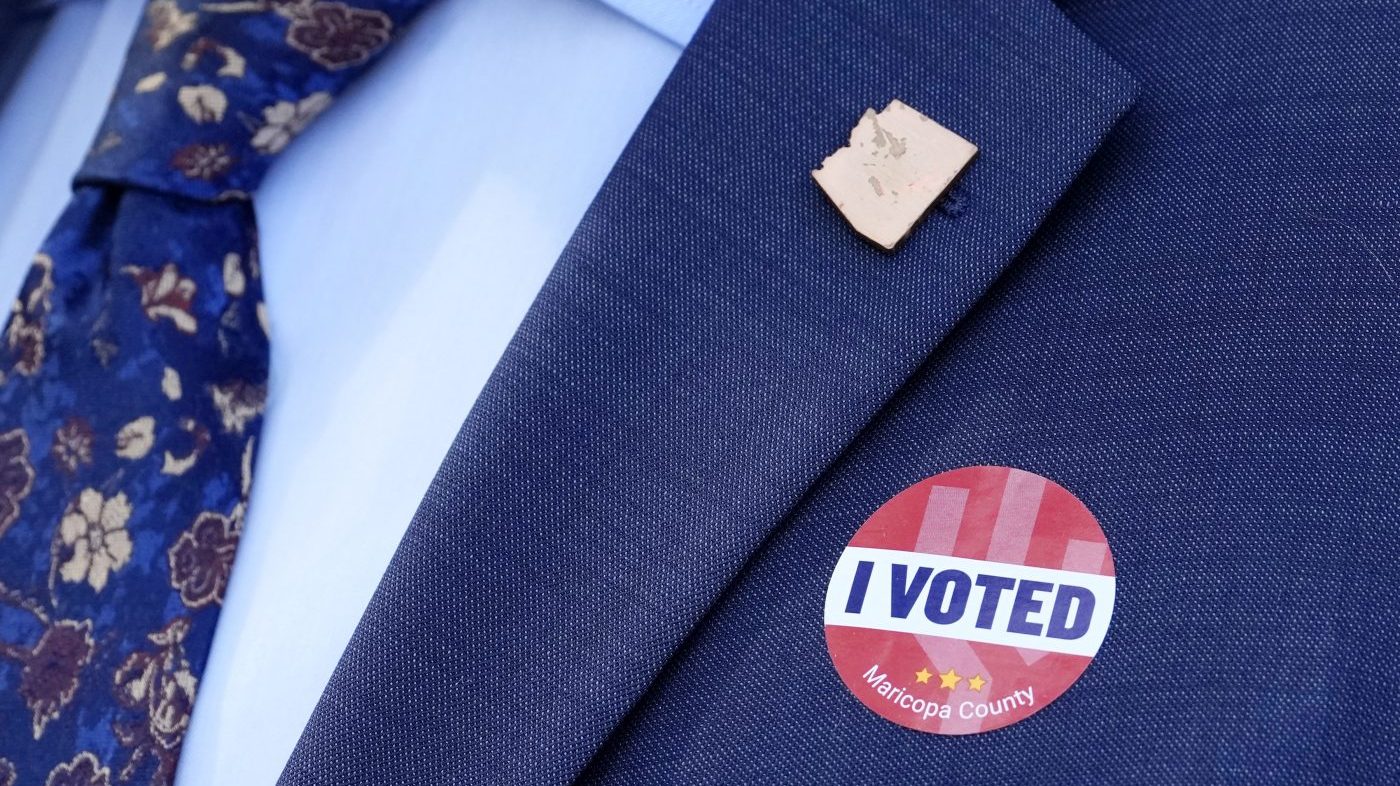
A federal judge on Tuesday threw out a Department of Justice lawsuit that sought to force Arizona to turn over its statewide voter registration list, dealing a setback to the Trump administration's push to obtain voter data from across the country.
U.S. District Judge Susan Brnovich, appointed by President Trump, ruled that under federal law, Arizona's voter registration list is not a document the Attorney General can demand. In a 13-page opinion, she wrote that the DOJ failed to convince the court otherwise and dismissed the case with prejudice, meaning the department cannot refile.
The DOJ sued Arizona Secretary of State Adrian Fontes, a Democrat, in January after he refused an August request from then-Attorney General Pam Bondi for an electronic copy of the state's voter rolls. The department wanted each registrant's full name, date of birth, residential address, and either their driver's license number, last four digits of their Social Security number, or a unique identifier, as required by the Help America Vote Act of 2002.
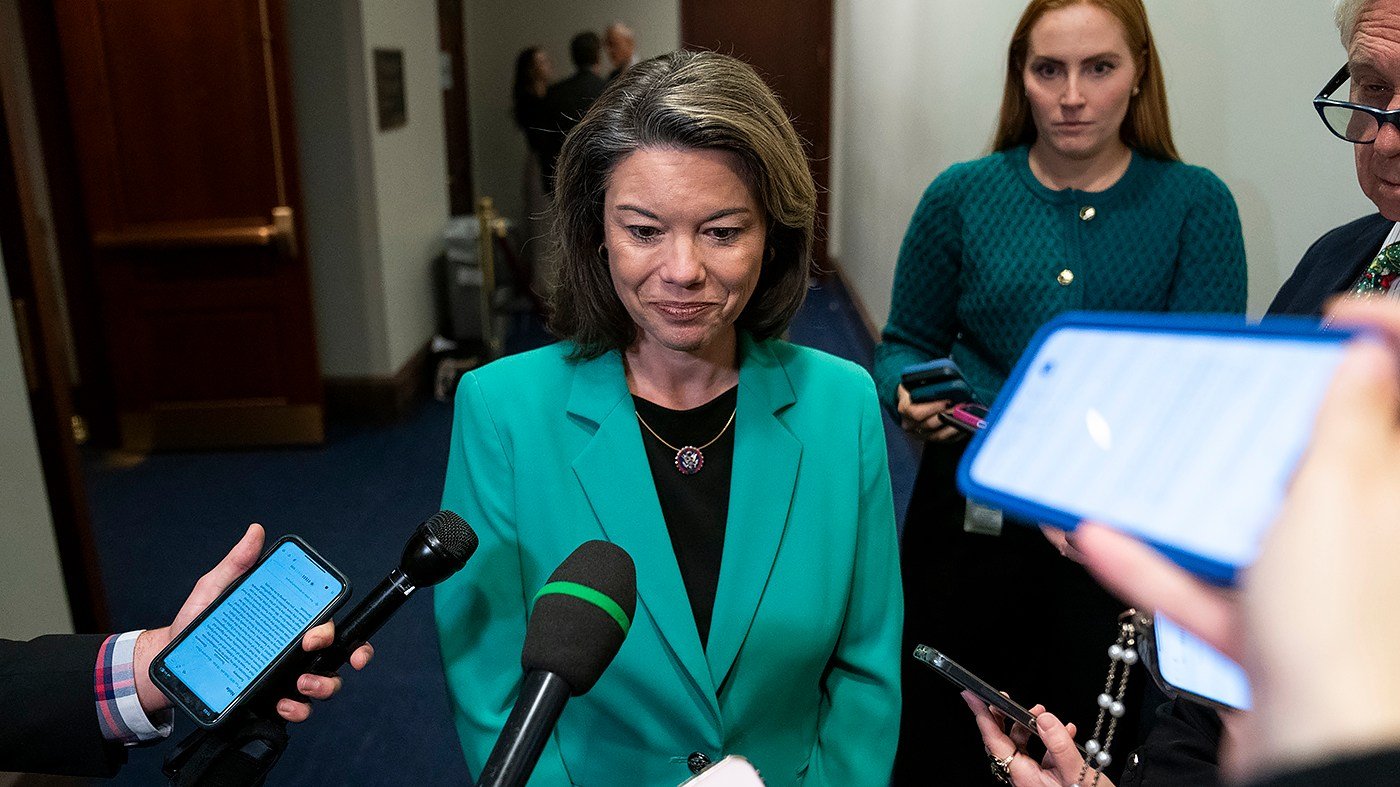
Fontes and Arizona Attorney General Kris Mayes, both Democrats, hailed the ruling as a victory for voter privacy. In a joint statement, they said the state's voter database contains sensitive personal information of millions of Arizonans and that Arizona acted correctly in refusing the request. They added, “Today’s ruling vindicates that decision. Our offices will continue to defend the privacy of Arizona voters against federal overreach.”
The DOJ has not yet commented on the ruling. The case is part of a broader effort by the Trump administration to obtain complete voter registration lists from states. According to the Brennan Center for Justice, the DOJ has requested such lists from at least 48 states and Washington, D.C., and has sued 30 states and the capital for refusing to comply. At least a dozen Republican-controlled states have either provided or agreed to provide their lists.
This legal battle echoes similar tensions over federal access to state voter data, which critics argue could be used for voter suppression or privacy violations. Supporters maintain it is necessary to ensure election integrity. The ruling may complicate similar DOJ lawsuits in other states, as judges weigh the limits of federal authority under the Help America Vote Act.
In a related development, the Trump administration has also faced legal challenges over other policies, including a halt on federal funding for fentanyl test strips, which critics say undermines harm reduction efforts. Meanwhile, a federal probe into welfare fraud in Minnesota has led to raids on daycares, highlighting the administration's focus on enforcement.
The Arizona ruling could also have implications for how courts view the balance between state sovereignty and federal oversight in election administration. As the DOJ continues to press for voter data, legal experts expect further litigation to define the scope of the Attorney General's authority under federal election laws.