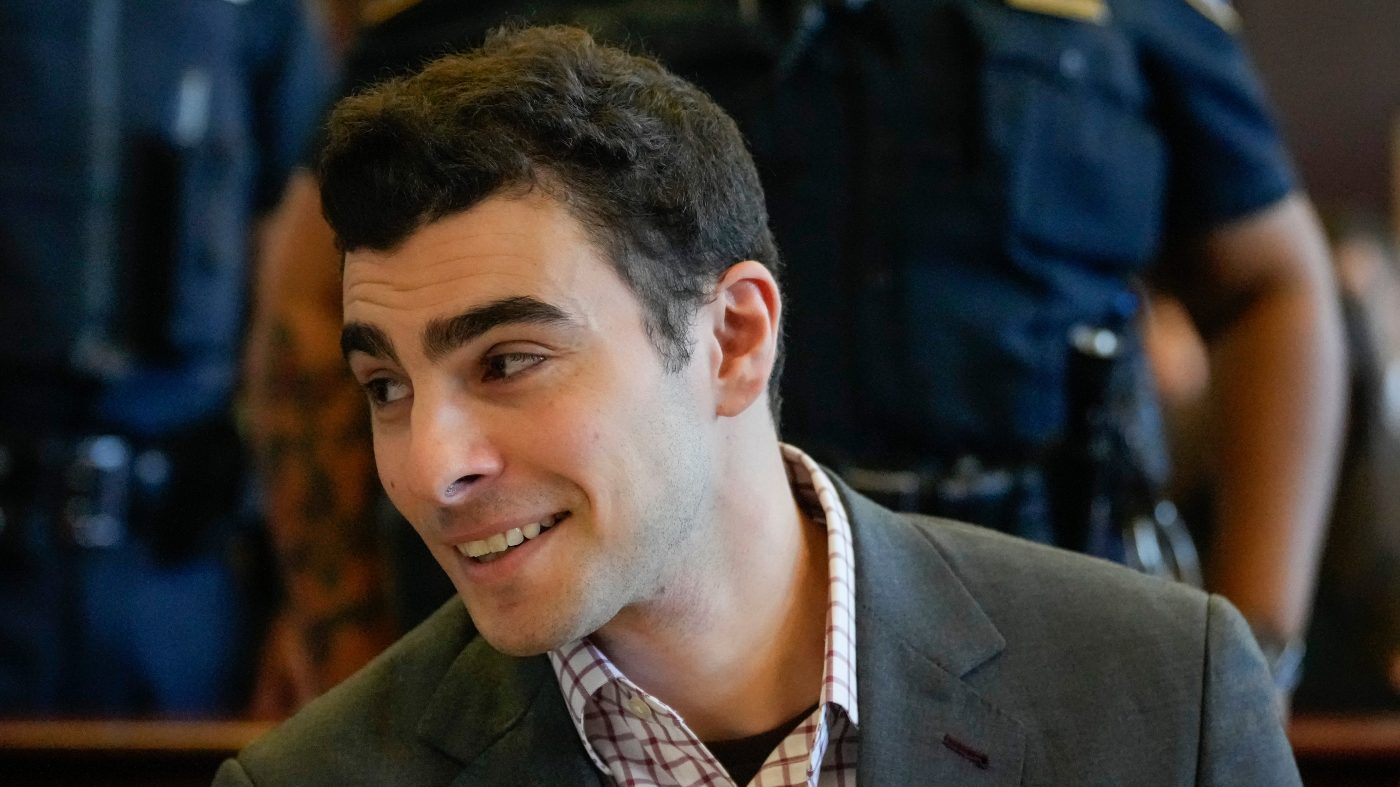
Luigi Mangione, the man charged with the murder of UnitedHealthcare CEO Brian Thompson, has publicly disavowed political violence following an attempted assassination of President Donald Trump over the weekend. The statement, delivered through his lawyer Karen Friedman Agnifilo, comes as authorities investigate a separate plot targeting Trump and his Cabinet at the White House Correspondents' Association dinner.
Cole Tomas Allen, 31, is accused of attempting to assassinate Trump and members of his Cabinet at the annual WHCA dinner on Saturday. The Secret Service intercepted Allen before he could breach a security checkpoint, according to officials. The incident has reignited debates about political violence in the United States, a topic that has become increasingly fraught as the 2026 midterm elections approach.
Mangione's legal team moved quickly to sever any perceived link between their client and Allen's alleged actions. In a statement, Agnifilo said, "As we have stated before in multiple public court filings, Mr. Mangione does not support violent actions and does not condone past or future political violence." She added that efforts to connect Mangione to unrelated acts are "irresponsible, dangerous and prejudicial."
The defense's pushback follows a White House press release last year that tied Mangione to the "radical left." At the time, Agnifilo called that characterization "part of a greater political narrative that has no place in any criminal case, especially one where the death penalty is at stake." A federal judge later ruled out capital punishment for Mangione in January, narrowing the potential penalties he faces.
Mangione is currently navigating a dual-track legal process with both federal and state charges. His state trial is scheduled to begin June 8, and he has entered not guilty pleas to all counts. The case has drawn intense scrutiny, partly because of the high-profile nature of the victim and the political undertones that have surfaced in official statements.
The WHCA dinner plot has further polarized Washington. Some GOP lawmakers have pointed to the incident as evidence of a broader climate of political hostility, while Democrats have urged caution in drawing sweeping conclusions. The Trump administration has not commented on whether the foiled assassination attempt will affect security protocols for future events.
In related developments, the Supreme Court is weighing the fate of 1.3 million Temporary Protected Status holders as the Trump administration pushes for deportations, a case that could have significant political ramifications. Meanwhile, tensions with Iran continue to simmer as nuclear talks stall and gas prices rise, with Trump warning Tehran to "get smart."
Mangione's statement is unlikely to quell the partisan narratives that have surrounded his case. Critics argue that the White House's earlier linkage of him to left-wing extremism was a political maneuver, while supporters of the administration see it as a necessary warning. As the legal proceedings unfold, the intersection of crime and politics will remain a central theme.